
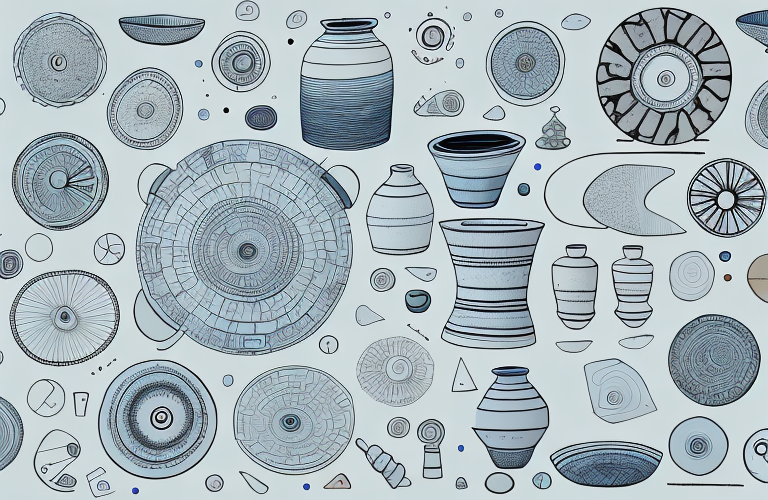
Pottery is one of the oldest and most loved art forms in human history. The process of creating pottery is a beautiful and unique experience that allows you to create something with your own hands that will last for many years to come. It is also an art form that has many different styles, techniques, and tools that you can use to create your own unique pieces. Whether you are an experienced potter or a beginner, there are many things to explore and learn about when creating beautiful pottery pieces for your home.
The Art of Pottery Making: Techniques and Tools
Pottery making involves a variety of techniques and tools that allow you to create unique and beautiful pieces. One of the most important aspects of pottery making is the clay itself. There are many different types of clay that you can use, each with its own unique properties that can affect the outcome of your piece. Some of the most popular types of clay include earthenware, stoneware, and porcelain.
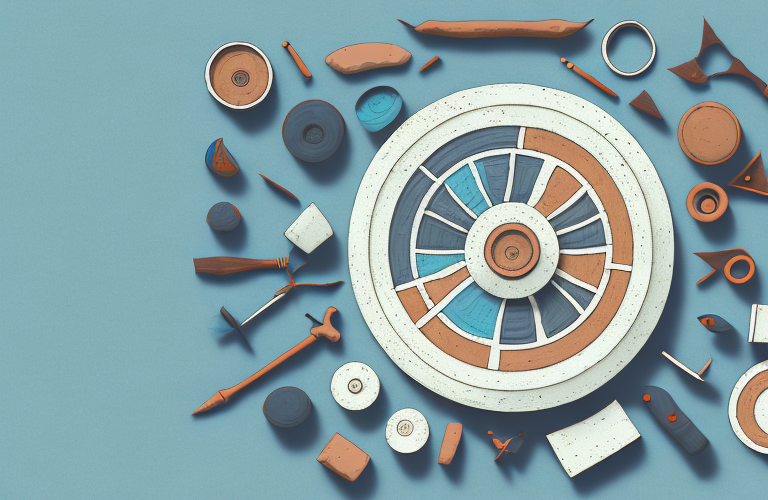
Other important tools and techniques in pottery making include the pottery wheel, kiln, and various sculpting and trimming tools. These tools allow you to shape and mold the clay in different ways, creating unique shapes, textures, and patterns that can turn a simple piece of pottery into a work of art.
Aside from the tools and techniques, pottery making also requires patience and attention to detail. It is a process that cannot be rushed, as each step requires careful consideration and precision. From preparing the clay to firing the finished piece, every stage of pottery making requires focus and dedication.
Choosing the Right Clay for Your Pottery Project
When it comes to choosing the right type of clay for your pottery project, it is important to consider the properties of each type of clay. Earthenware clay is the most common type of clay used in pottery making, and it is known for its low firing temperature, making it easy to work with. Stoneware clay is much harder and more durable than earthenware clay, making it ideal for functional pottery pieces. Porcelain clay, on the other hand, is known for its translucency and delicate beauty, making it perfect for decorative pottery pieces.
It is important to consider the purpose of your piece and the intended use when choosing the type of clay to work with. This will ensure that your pottery pieces are both functional and beautiful.
Another important factor to consider when choosing the right clay for your pottery project is the color of the clay. Different types of clay have different natural colors, ranging from white to red to brown. This can affect the final appearance of your pottery piece, especially if you plan on leaving parts of the clay exposed. Additionally, some clays may contain impurities or minerals that can affect the firing process and the final color of the piece. It is important to research and test different types of clay to find the one that best suits your project and desired outcome.
The Importance of Glazing in Pottery Making
Glazing is an important part of pottery making, as it can affect the final look and feel of your piece. A glaze is a type of coating that is applied to pottery before it is fired in the kiln. Glazes come in many different colors and textures, allowing you to create a truly unique piece of pottery. Glazes can also protect the pottery from water and other elements, making it more durable and functional.
Another important aspect of glazing is that it can enhance the surface of the pottery, giving it a smooth and glossy finish. This can make the piece more visually appealing and can also make it easier to clean. Additionally, glazing can help to prevent the pottery from staining or absorbing odors, which can be especially important for functional pieces like plates and bowls.
It is important to note that glazing requires a certain level of skill and knowledge. Different types of glazes require different application techniques and firing temperatures, and improper application can result in a ruined piece of pottery. It is important to do your research and practice before attempting to glaze your own pottery, or to seek guidance from a professional or experienced potter.
Decorating Techniques for Your Pottery Pieces
Decorating techniques can also be used to create unique and beautiful pottery pieces. A variety of tools and techniques can be used to create different textures, patterns, and designs on the pottery. Some of the most popular decorating techniques include slip trailing, sgraffito, and stamping.
Slip trailing involves adding a thin layer of wet clay to the surface of the pottery and then carving it into different designs. Sgraffito involves scratching the surface of the pottery to create different patterns and textures, while stamping involves using a stamp to imprint a design onto the pottery.
Another popular decorating technique is called mishima, which involves carving a design into the surface of the pottery and then filling it with a contrasting colored slip. This creates a beautiful and intricate design that stands out on the pottery.
Additionally, some potters use a technique called glaze trailing, which involves applying a thin line of glaze onto the surface of the pottery to create a unique and colorful design. This technique can be used to create intricate patterns or simple designs, depending on the artist’s preference.
Tips for Firing Your Pottery to Perfection
Firing your pottery is an important part of the pottery making process. It is important to follow the recommended firing temperature and time for your specific type of clay and glaze to ensure that your pottery is fired to perfection. It is also important to properly prepare the pottery for firing by drying it slowly to avoid cracking or warping during the firing process.
Another important factor to consider when firing your pottery is the type of kiln you are using. Different types of kilns have different firing capabilities and it is important to choose the right kiln for your specific needs. For example, electric kilns are great for beginners and small-scale pottery making, while gas kilns are better suited for larger-scale production and can reach higher temperatures.
It is also important to consider the atmosphere inside the kiln during firing. The atmosphere can be controlled by adjusting the amount of oxygen and fuel in the kiln. A reduction atmosphere, where there is a limited amount of oxygen, can create unique effects on the glaze and clay, while an oxidation atmosphere, where there is a higher amount of oxygen, can produce brighter colors and a more uniform finish.
How to Create Unique Patterns and Textures on Your Pottery
Creating unique patterns and textures on your pottery is a great way to make your pieces stand out. There are many different tools and techniques that you can use to create different patterns and textures on your pottery. Some of the most popular tools include brushes, rollers, and carving tools. Experimenting with different techniques and tools can help you create unique and beautiful pottery pieces.
The Benefits of Handmade Pottery for Your Home Decor
Handmade pottery pieces can add a unique and personal touch to your home decor. They are perfect for displaying on shelves, tables, and other surfaces throughout your home. Handmade pottery can also be given as gifts for special occasions, making them a thoughtful and meaningful present for friends and family.
The History and Evolution of Pottery Making
Pottery making has been a part of human history for thousands of years. From ancient civilizations to modern day, pottery has been used for both functional and decorative purposes. Studying the history and evolution of pottery making can help you understand the different styles and techniques that have been used throughout history, as well as offer inspiration for your own pottery projects.
Common Mistakes to Avoid when Making Pottery at Home
Making pottery at home can be a fun and rewarding experience, but it is important to avoid common mistakes that can ruin your pottery pieces. Some common mistakes to avoid include overworking the clay, not drying the pottery properly before firing, and not following the recommended firing temperature and time for your specific type of clay and glaze.
Using Pottery as Functional and Decorative Items in Your Home
Pottery can be used for many different purposes in your home. Functional pottery pieces like bowls, plates, and cups can be used for everyday use, while decorative pottery pieces like vases and sculptures can add a unique touch to your home decor. Using pottery in your home decor can also be a great way to express your personal style and add a personal touch to your living space.
How to Care for and Display Your Beautiful Pottery Collection
Proper care and display of your pottery collection is important to ensure that it lasts for many years to come. Pottery should be stored in a dry and cool place, away from direct sunlight, and should be handled with care to avoid damage. Displaying your pottery on shelves, tables, and other surfaces throughout your home can add a beautiful and unique touch to your home decor.
Exploring Different Styles of Pottery from Around the World
Pottery making has been a part of many different cultures throughout history, and exploring different styles of pottery from around the world can be a great way to gain inspiration for your own pottery projects. From ancient pottery from the Middle East to modern-day pottery from Japan, there are many different styles and techniques to explore and learn about.
Turning Your Love for Pottery into a Profitable Business
If you have a passion for pottery making, you may be able to turn it into a profitable business. Selling your pottery online or at local craft fairs can be a great way to share your love of pottery with others while also earning an income from your creations.
Creating beautiful pottery pieces for your home is a wonderful way to express your creativity and add a personal touch to your living space. Whether you are an experienced potter or a beginner, there are many different techniques and tools to explore and learn about when creating beautiful pottery pieces. By following these tips and techniques, you can create unique and beautiful pieces that you will be proud to display in your home for many years to come.