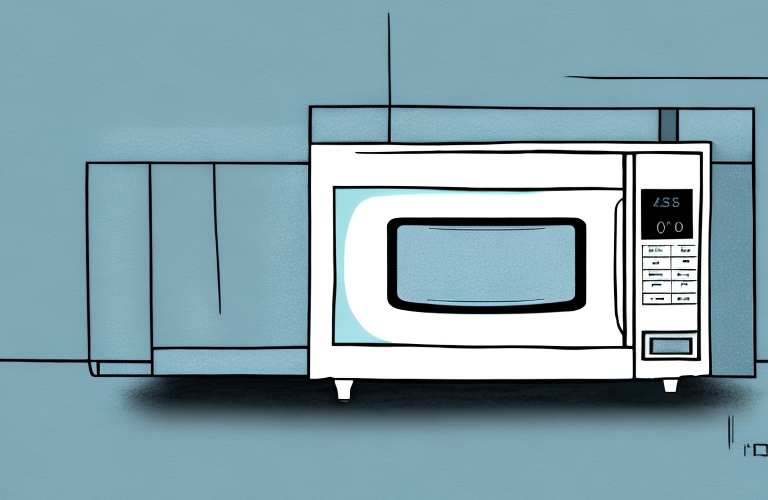
The convenience of a microwave cannot be overstated, especially when it comes to reheating leftovers or quickly defrosting frozen foods. However, the question of whether or not ceramic dishes can be used in the microwave has been a long-debated topic. In this article, we will explore the science behind microwaving ceramic, the different types of ceramic for microwave use, common myths about microwaving ceramic debunked, safety precautions when microwaving ceramic, alternatives to microwaving ceramic, and tips on properly using, cleaning and maintaining your microwave-safe ceramic dishes.
The Science Behind Microwaving Ceramic
Microwaves use electromagnetic waves to generate heat within the food, with the waves being absorbed by the water molecules within the food. The heated water molecules then transfer the heat to the rest of the food. Ceramic, on the other hand, is an excellent insulator, which means that it cannot absorb much heat. As a result, microwaving ceramic dishes may take longer to heat up than other materials.
However, once the ceramic dish is heated, it retains heat very well, which means that the food will stay warm for longer periods of time. Additionally, ceramic dishes are great for cooking and reheating food evenly, as they distribute heat evenly throughout the dish. This makes them a popular choice for baking and roasting in the microwave.
Understanding the Different Types of Ceramic for Microwave Use
Not all ceramics are created equal when it comes to microwave use. Some types of ceramic may contain materials that are not microwave safe, such as metals or certain types of glaze. It is essential to check the manufacturer’s instructions before using any ceramic dishes in the microwave.
One type of ceramic that is safe for microwave use is porcelain. Porcelain is a type of ceramic that is fired at a high temperature, making it durable and able to withstand the heat of the microwave. It is also non-porous, which means it does not absorb liquids or odors, making it easy to clean. Porcelain dishes are a great option for reheating leftovers or cooking small meals in the microwave.
Common Myths About Microwaving Ceramic Debunked
One of the most common myths about microwaving ceramic is that it can cause the dish to explode. This is not entirely true. While it is possible for a ceramic dish to break due to rapid temperature changes or uneven heating, it is unlikely to explode unless it has a crack or other pre-existing damage.
Another common myth about microwaving ceramic is that it can release harmful chemicals into your food. However, this is also not entirely true. While some ceramic glazes may contain lead or other harmful substances, most modern ceramic dishes are safe to use in the microwave. To be sure, check the manufacturer’s instructions or look for dishes that are labeled as microwave-safe.
Safety Precautions When Microwaving Ceramic
When using ceramic dishes in the microwave, it is essential to follow some safety precautions to avoid any accidents. Firstly, avoid microwaving dishes that are cracked, chipped, or damaged in any way, as this can cause the dish to break or explode. Secondly, use microwave-safe dishes that are labeled as such by the manufacturer. Lastly, avoid using metal or foil in the microwave, even if it is a small part of the dish. This can cause a fire or damage the microwave.
Additionally, it is important to be cautious when removing ceramic dishes from the microwave. The dish and its contents may be very hot, so use oven mitts or a towel to handle it. Also, allow the dish to cool for a few minutes before handling or washing it to avoid burns or cracking due to sudden temperature changes. By following these safety precautions, you can safely and effectively use ceramic dishes in the microwave.
Alternatives to Microwaving Ceramic: What Are Your Options?
If you are looking for alternatives to microwaving ceramic dishes, there are several options available. Glass, plastic, and silicone are all microwave-safe materials that can be used instead of ceramic. However, it is essential to check that the materials are labeled as microwave safe by the manufacturer.
Another alternative to microwaving ceramic dishes is to use paper plates or bowls. These are convenient and disposable, making them a great option for quick meals or when you don’t want to do dishes. However, it is important to note that not all paper products are microwave safe, so be sure to check the packaging before using them in the microwave.
Tips for Properly Using Ceramic in the Microwave
If you choose to use ceramic dishes in the microwave, here are some tips to ensure that they are used correctly. Firstly, preheat the ceramic dish before heating the food to ensure even heating. Secondly, avoid microwaving dishes that are too small for the food you are heating, as this may cause the food to spill over or overflow. Lastly, be careful when handling hot ceramic dishes, as they can become very hot to the touch.
It is also important to note that not all ceramic dishes are microwave safe. Some ceramics may contain lead or other harmful materials that can leach into your food when heated in the microwave. To ensure that your ceramic dishes are safe for use in the microwave, look for dishes that are labeled as microwave safe or check with the manufacturer before using them in the microwave.
How to Clean and Maintain Your Microwave-Safe Ceramic Dishes
Proper cleaning and maintenance of your microwave-safe ceramic dishes are essential to ensure they last as long as possible. Firstly, avoid using abrasive cleaners or scrubbers on the dishes, as this can damage the surface. Instead, use a soft sponge or cloth with mild soap and warm water. Secondly, avoid stacking the dishes on top of each other when storing them, as this can cause cracks or other damage. Finally, check the dishes regularly for any cracks or chips, and dispose of any damaged dishes immediately.
In addition to these basic tips, there are a few other things you can do to keep your microwave-safe ceramic dishes in top condition. For example, you can try soaking the dishes in warm water and vinegar to remove any stubborn stains or odors. Another option is to use baking soda and water to create a paste that can be applied to the dishes and left to sit for a few minutes before rinsing off.
It’s also important to note that not all ceramic dishes are microwave-safe, so be sure to check the manufacturer’s instructions before using them in the microwave. Additionally, if you notice any discoloration or staining on your dishes after microwaving certain foods, such as tomato sauce or curry, you may want to consider using a microwave-safe cover or placing a paper towel over the dish to prevent splatters and stains.
Choosing the Right Cookware for Microwave Cooking
The right cookware is essential when it comes to microwave cooking. When choosing cookware for the microwave, look for options labeled as microwave-safe by the manufacturer. Glass, plastic, silicone, and some types of ceramic are all microwave-safe materials that can be used for cooking.
It is important to note that not all types of metal can be used in the microwave. Metal cookware, aluminum foil, and utensils with metal parts should never be used in the microwave as they can cause sparks and potentially start a fire. Additionally, when using plastic cookware, make sure it is labeled as microwave-safe and avoid using plastic containers that are cracked or damaged as they can release harmful chemicals into your food.
The Pros and Cons of Using Ceramic in the Microwave
When it comes to using ceramic dishes in the microwave, there are both pros and cons to consider. The pros of using ceramic include its durability, versatility, and aesthetic appeal. However, the cons of using ceramic include the potential for uneven heating or longer cook times, and the possibility of breakage or damage if not used correctly.
In conclusion, using ceramic dishes in the microwave is generally safe as long as the appropriate caution and care is taken. By following the manufacturer’s instructions and taking the necessary safety precautions, ceramic dishes can be a convenient and reliable option for microwave cooking.
It is important to note that not all ceramic dishes are microwave-safe. Some ceramics may contain lead or other harmful materials that can leach into food when heated in the microwave. It is recommended to check the label or contact the manufacturer to ensure that the ceramic dish is safe for microwave use. Additionally, it is best to avoid using ceramic dishes with metallic accents or decorations in the microwave, as they can cause sparks and damage to the microwave.