
Pottery has long been a celebrated art form and functional craft, with a rich history spanning thousands of years. Over time, the techniques and tools of the trade have evolved, with modern technology bringing exciting new innovations to potters of all levels. One such innovation is the electric kiln for pottery, which offers a slew of benefits over traditional kilns. In this article, we’ll explore the advantages of using an electric kiln for all your pottery needs, from convenience to cost-effectiveness to optimal firing results and beyond.
How Electric Kilns Work and Why They’re Ideal for Pottery
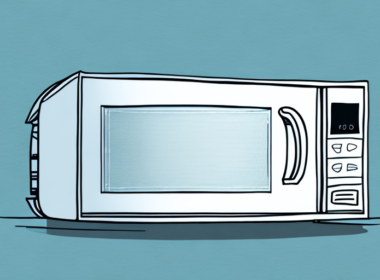
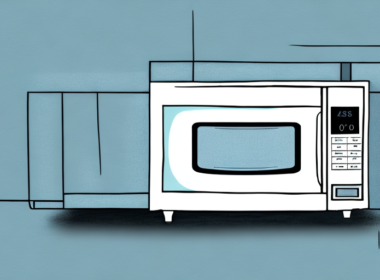
Electric kilns work by using electrical elements to heat up and control the temperature inside the kiln during the firing process. These elements are made of a heat-resistant metal wire, which heats up when an electrical current runs through it. As the wire heats up, it radiates heat into the surrounding air, raising the temperature inside the kiln. The temperature is controlled by a digital thermostat and timer, which allows potters to precisely adjust the temperature and duration of the firing process based on the specific clay and glaze being used.
Compared to traditional kilns that use fossil fuels or wood for heat, electric kilns offer several advantages for potters. For one, they’re typically easier to operate, requiring only a power outlet and a few basic controls. You don’t need to worry about stoking a fire or dealing with smoke and fumes, making them ideal for home-based potters or those operating in small studio spaces. Electric kilns also offer greater precision and consistency in firing, which is crucial for achieving optimal results with different types of clay and glaze.
The Advantages of Consistent and Controlled Firing with Electric Kilns
One of the biggest benefits of electric kilns is their ability to provide consistent and controlled firing, which is essential for achieving the desired results with different clay and glaze combinations. With an electric kiln, you can set the temperature and hold it at a specific level for as long as necessary, without worrying about fluctuations or sudden changes in temperature. This allows the clay to mature and develop in a controlled environment, resulting in stronger, more durable pieces that are less likely to experience cracking or other defects.
In addition, electric kilns provide an ideal environment for glaze firing, allowing for complete and even coverage across the entire piece. Unlike traditional pit firing or salt glazing, electric kilns offer precise control over the firing process, which allows for consistent results every time. This consistency is especially valuable for potters who sell their work or rely on it for income, as it ensures that every piece meets the same high quality standards.
Lower Cost and Greater Efficiency: The Economic Benefits of Electric Kilns
Another major advantage of electric kilns is their lower cost and greater efficiency compared to traditional kilns. While the upfront cost of an electric kiln may be higher than a gas or wood fired kiln, electric kilns are typically more cost-effective in the long run. For one, they require less fuel to operate, which means lower energy bills and less environmental impact.
Additionally, electric kilns offer greater efficiency in firing, which means you can fit more pieces into the kiln and fire them in a shorter amount of time. This increases your overall output and reduces the amount of time and energy spent firing each piece. While individual firing times may still vary based on the specific clay and glaze being used, electric kilns offer a generally faster and more efficient firing process that can save you time and money in the long run.
The Convenience of Electric Kilns for Home-Based Potters
For home-based potters or those operating in small studio spaces, electric kilns offer unparalleled convenience and ease of use. Unlike traditional kilns, which require a steady supply of fuel and a well-ventilated space, electric kilns simply require a power outlet and a dedicated space for the kiln itself. This makes them ideal for potters who don’t have access to a large outdoor space or who don’t want to deal with the mess and hassle of traditional firing methods.
Electric kilns also allow potters to fire their pieces on their own schedule, rather than needing to coordinate with a communal kiln or wait for a specific time of year to access a traditional kiln. This flexibility can be especially valuable for potters who are just starting out or who want to experiment with different firing techniques and schedules without having to worry about scheduling conflicts or limitations.
Choosing the Right Electric Kiln: Factors to Consider
If you’re considering investing in an electric kiln for your pottery work, there are a number of factors to keep in mind when choosing the right model for your needs. Some key considerations include:
- Budget: Electric kilns can range in price from a few hundred dollars to several thousand, so it’s important to set a budget and stick to it.
- Size: Consider the size of both the kiln itself and the pieces you plan to fire, and choose a model that can accommodate your needs.
- Temperature range and precision: Check the temperature range of the kiln and whether it offers the precision and consistency you need for your pottery work.
- Features and controls: Look for models with features like programmable firing schedules, multiple temperature zones, and easy-to-use controls.
- Brand reputation and customer support: Research the brand and read reviews from other potters to ensure you choose a quality product with good customer service and support.
Understanding the Different Types of Electric Kilns Available in the Market
When shopping for an electric kiln, you’ll notice that there are several different types available. Some common types include:
- Top-loading kilns: These are the most common type of electric kiln, with a top-hinged lid that allows you to load and unload your pieces vertically.
- Front-loading kilns: These kilns have a front-hinged door that allows you to easily load and unload pieces horizontally.
- Multizone kilns: These kilns have multiple heating elements and temperature zones, which allow for greater precision and control over the firing process.
- Programmable kilns: These kilns allow you to program specific firing schedules and temperature profiles, which can be especially valuable for advanced potters or those working with specific clay and glaze combinations.
Choosing the right type of electric kiln will depend on your specific needs and preferences, as well as your budget.
How to Properly Load and Unload an Electric Kiln for Optimal Results
When using an electric kiln, proper loading and unloading techniques are crucial for achieving optimal results. Here are some tips to keep in mind:
- Use kiln shelves and supports to keep your pieces off the floor of the kiln and maximize space.
- Leave adequate space between each piece to ensure even heating and prevent pieces from sticking together or cracking.
- Avoid overloading the kiln, as this can result in uneven heating and potentially damage your pieces.
- Wait until the kiln has fully cooled before unloading your pieces, as opening the kiln prematurely can cause thermal shock and damage your pieces.
Common Mistakes to Avoid When Using an Electric Kiln for Pottery
While electric kilns offer many benefits for potters, there are also some common mistakes to avoid when using them. Some key mistakes to watch out for include:
- Over-firing or under-firing your pieces: Be sure to properly program your kiln based on the clay and glaze being used, and monitor the progress of the firing process closely to avoid over- or under-firing.
- Ignoring proper ventilation: Even though electric kilns don’t produce smoke or fumes, it’s still important to ensure proper ventilation in your workspace to avoid buildup of heat and moisture.
- Not properly cleaning or maintaining your kiln: Regular cleaning and maintenance of your kiln is crucial for optimal performance and longevity, so be sure to follow the manufacturer’s recommended maintenance schedule and cleaning instructions.
Safety Precautions to Take When Operating an Electric Kiln at Home or in a Studio
While electric kilns are generally safe and easy to operate, there are some important safety precautions to keep in mind when using them. These include:
- Wearing proper protective gear like gloves and eye goggles when loading or unloading the kiln or handling hot pieces.
- Avoiding contact with the electrical elements inside the kiln, as they can be extremely hot and potentially dangerous.
- Ensuring proper ventilation in your workspace to avoid buildup of heat and moisture.
- Keeping flammable objects and materials away from the kiln while it’s in use.
Maintaining and Cleaning Your Electric Kiln for Longevity and Efficiency
To ensure optimal performance and longevity of your electric kiln, regular cleaning and maintenance is crucial. Some key maintenance tasks include:
- Regularly cleaning the interior of the kiln with a soft-bristled brush and an approved cleaner.
- Checking the electrical wires and elements regularly for signs of wear or damage, and replacing them as needed.
- Repacking the insulation if it becomes damaged or compressed over time.
- Regularly checking the seals and gaskets around the lid or door of the kiln for signs of wear or damage, and replacing them as needed.
How to Troubleshoot Common Issues with Your Electric Kiln
Even with proper maintenance and care, electric kilns can experience issues from time to time. Here are some common issues that potters may experience when using electric kilns, and how to troubleshoot them:
- Uneven heating or temperature fluctuations: This can be caused by a variety of factors, including overloading the kiln, damaged or worn heating elements, or an improperly set thermostat. Try adjusting the load or temperature settings, or check and replace the heating elements or thermostat as needed.
- Clogged or blocked vents: This can cause a buildup of heat and moisture inside the kiln, which can lead to uneven firing and potentially damage your pieces. Check the ventilation system regularly and clear any blockages or debris as needed.
- Damaged or worn kiln elements: Over time, the heating elements inside your kiln may become damaged or worn, which can affect the temperature and overall performance of the kiln. Check the elements regularly and replace them as needed.
The Future of Pottery: The Role of Technology, including Electric Kilns, in Modern Ceramics
The world of pottery is constantly evolving, with new technologies and techniques emerging all the time. Electric kilns are just one example of how modern technology is revolutionizing the art of pottery, offering potters of all levels the ability to take their work to new heights of precision, efficiency, and creativity.
As technology continues to advance, we can expect to see even more exciting innovations in the field of ceramics and pottery, including new kiln designs, cutting-edge materials and glazes, and enhanced digital tools for designing and creating pottery. For potters who embrace these innovations and stay on the cutting edge of the field, the future of pottery is brighter than ever before.
Comparing Gas vs. Electric Kilns: Which is Better for Your Pottery Needs?
While electric kilns offer many advantages over traditional kilns, it’s important to consider all your options when choosing the right kiln for your pottery needs. Gas-fired kilns, for example, offer some benefits that electric kilns do not, such as the ability to reach higher temperatures and a more natural flame environment.
That being said, electric kilns are generally more cost-effective and easier to operate and maintain than gas-fired kilns. They also offer greater precision and consistency in firing, which is essential for achieving optimal results with complex clay and glaze combinations.
Ultimately, the decision between gas and electric kilns will depend on your specific pottery needs and preferences, as well as your budget and workspace limitations. Consider all the factors carefully before deciding on the right type of kiln for your art.