
Pottery has been used for centuries as a reliable and durable kitchenware option. It is a great choice for baking and cooking due to its ability to retain heat and distribute it evenly. But when it comes to microwave use, many people may wonder whether pottery is microwave safe. In this article, we will take a closer look at the properties of pottery, the science behind microwaves, and the risks associated with microwaving pottery. We will explore microwave safe symbols, provide tips for determining if your pottery is microwave safe, and offer alternatives for safely using pottery in the microwave. Finally, we will discuss the benefits of using microwave safe cookware and offer a guide to choosing microwave safe pottery.
Understanding the Properties of Pottery
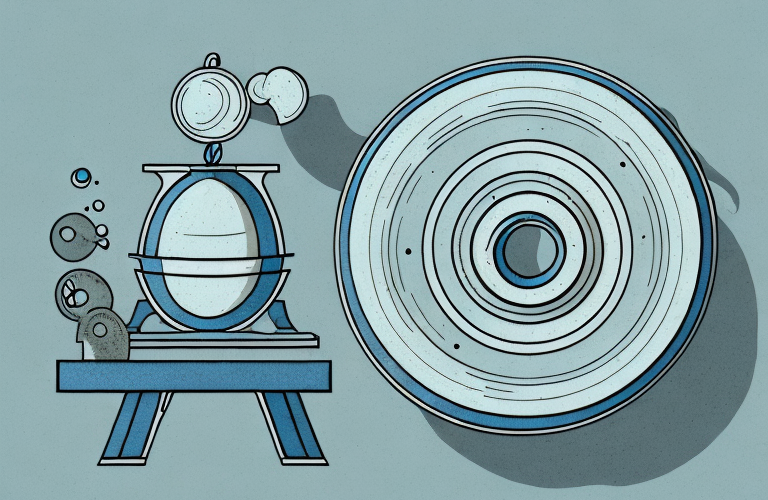
Pottery is typically made from clay and heated at high temperatures to harden the material. Pottery can come in different forms such as ceramic, porcelain, and stoneware. These materials have different chemical makeups and are fired at different temperatures, which can affect their durability and ability to withstand microwave use. Although pottery can retain heat and distribute it evenly, it may not be able to handle the intense heat from a microwave.
It is important to note that pottery can also be glazed, which adds a layer of protection and can enhance its aesthetic appeal. Glazes are made from a mixture of minerals and are applied to the surface of the pottery before it is fired. The type of glaze used can affect the color, texture, and durability of the pottery. Some glazes may contain lead or other harmful substances, so it is important to ensure that the pottery is food-safe before using it for cooking or serving food.
The Science Behind Microwaves
Microwaves use electromagnetic radiation to heat food quickly and evenly. The waves penetrate the food and cause the water molecules to vibrate, generating heat. However, not all materials are able to withstand the high heat produced by the waves, which can cause them to crack or break.
One of the advantages of using a microwave is that it can preserve the nutrients in food better than other cooking methods. Because the cooking time is shorter, fewer nutrients are lost due to heat exposure. However, it’s important to note that some nutrients, such as vitamin C, can be destroyed by the microwave’s radiation if the food is overcooked.
Another interesting fact about microwaves is that they were originally invented for a completely different purpose. In 1945, Percy Spencer, an engineer at Raytheon Corporation, was working on a radar system when he noticed that a candy bar in his pocket had melted. He realized that the microwaves from the radar had caused the candy to heat up, and this led to the development of the first microwave oven.
Exploring the Risks of Microwaving Pottery
Microwaving pottery can be risky due to the potential for the material to crack or break, especially if it has any defects or weaknesses. When pottery is fired, it can develop small air pockets or other imperfections that weaken its structure. These weak spots can be exacerbated by the intense heat of the microwave, making it more likely to crack or break. Additionally, certain glazes or decorations on pottery may contain metals that can cause sparks or fires in the microwave.
It is important to note that not all pottery is microwave-safe, even if it appears to be in good condition. Some pottery may contain lead or other harmful substances that can leach into food when heated in the microwave. To ensure safety, it is recommended to only use microwave-safe pottery that is labeled as such. If in doubt, it is best to err on the side of caution and avoid microwaving pottery altogether.
Understanding Microwave Safe Symbols
To help protect consumers, manufacturers use symbols to indicate whether their products are microwave safe. These symbols can usually be found on the bottom of the pottery or on its packaging. The most common symbol is the microwave-safe symbol, which is a square with three wavy lines. This symbol indicates that the pottery has been tested and confirmed to be microwave safe. If you do not see this symbol, it is best to err on the side of caution and assume that the pottery is not microwave safe.
Another symbol that you may come across is the microwave-safe plastic symbol, which is a square with a number in the middle. This number indicates the type of plastic used in the product and its ability to withstand heat. For example, the number 5 indicates that the plastic is safe for use in the microwave.
It is important to note that even if a product has a microwave-safe symbol, it is still important to follow the manufacturer’s instructions for use. Some products may only be safe for a certain amount of time in the microwave or at a certain temperature. Always use caution when heating any type of pottery or plastic in the microwave.
How to Determine if Your Pottery is Microwave Safe
If you are unsure whether your pottery is microwave safe, there are a few tests you can perform. One simple method is to place a small amount of water in the pottery and microwave it for a minute or two. Carefully touch the pottery to see if it is hot to the touch. If the pottery is hot, it may not be microwave safe. You can also examine the pottery for any cracks, chips, or other imperfections that may indicate weakness.
Another way to determine if your pottery is microwave safe is to look for any labeling or markings on the pottery itself. Many manufacturers will indicate whether their pottery is safe for use in the microwave. If you cannot find any labeling or markings, you can contact the manufacturer directly to inquire about the safety of their product.
It is important to note that even if your pottery is labeled as microwave safe, it is still important to use caution when heating it in the microwave. Always start with short heating times and check the temperature of the pottery frequently to avoid overheating and potential damage to the pottery or injury to yourself.
Tips on Safely Using Pottery in the Microwave
If you do decide to use pottery in the microwave, there are some steps you can take to reduce the risk of damage or injury. First, avoid using any pottery that has cracks, chips, or other damage as these can weaken the structure of the pottery and make it more prone to cracking or breaking. Additionally, avoid using any pottery that has metallic decorations or glazes as these can cause sparks in the microwave. Finally, be sure to follow the manufacturer’s instructions for use and care of the pottery.
It’s also important to note that not all types of pottery are microwave safe. Some types of pottery, such as earthenware or stoneware, may absorb moisture during use and can become hot to the touch. This can increase the risk of burns or injury when handling the pottery. To ensure that your pottery is safe for use in the microwave, look for pottery that is labeled as microwave safe or check with the manufacturer before using it in the microwave.
Alternatives to Microwaving Pottery
If you are uncomfortable using pottery in the microwave, there are alternative options available. Glass, silicone, and plastic containers can all be used safely in the microwave, and do not carry the same risk of cracking or breaking as pottery. Just be sure to check that these materials are labeled as microwave safe before use.
Another alternative to microwaving pottery is to use paper towels or microwave-safe wax paper to cover the food. This will prevent any potential harmful chemicals from leaching into your food, while also protecting your microwave from any potential messes.
It’s also important to note that not all pottery is created equal. Some pottery is specifically designed to be microwave safe, and will be labeled as such. If you are unsure about the safety of your pottery, it’s always best to err on the side of caution and avoid using it in the microwave.
The Benefits of Using Microwave Safe Cookware
Using microwave safe cookware can provide a variety of benefits. In addition to being convenient and quick, microwave cooking can also help preserve nutrients in food by cooking them quickly and evenly. Additionally, using microwave safe cookware can help reduce the risk of damage or injury from cracked or broken pottery. Finally, using microwave safe cookware can help extend the life of your kitchenware by preventing it from becoming damaged or worn.
Another benefit of using microwave safe cookware is that it can help save energy. Microwave ovens use less energy than traditional ovens, and using microwave safe cookware can help maximize this energy efficiency. Additionally, using microwave safe cookware can help reduce the amount of time spent cleaning up after cooking. Many microwave safe cookware options are dishwasher safe, making cleanup a breeze.
It is important to note that not all cookware is microwave safe. Some materials, such as metal or certain types of plastic, can cause sparks or release harmful chemicals when heated in a microwave. When selecting microwave safe cookware, be sure to look for labels or symbols indicating that the cookware is safe for use in the microwave. By using microwave safe cookware, you can enjoy the many benefits of quick and convenient cooking while also ensuring the safety and health of yourself and your family.
A Guide to Choosing Microwave Safe Pottery
When selecting pottery for use in the microwave, there are several factors to consider. First and foremost, look for pottery that has been labeled as microwave safe. If this information is not available, it is best to avoid using the pottery in the microwave. Additionally, choose pottery that is free of cracks, chips, or other imperfections. Finally, consider the type of pottery you are using. Ceramic and porcelain are generally safe for microwave use, while stoneware may be more prone to cracking or breaking.
In conclusion, pottery can be a valuable addition to any kitchen, but it is important to take care when using it in the microwave. By understanding the properties of pottery, the science behind microwaves, and the risks associated with microwaving pottery, you can make informed decisions about whether and how to use it safely. Whether you choose to use pottery in the microwave or opt for an alternative material, be sure to take the necessary precautions to protect yourself and your kitchenware.