

Bisque firing is an essential step in pottery making, and using a bisque kiln offers numerous benefits for potters. In this article, we will explore the many benefits of firing with a bisque kiln, understanding its basics, selecting the right one for your needs, and maintaining it for optimal performance. We will also discuss best practices for loading and unloading your bisque kiln, firing pottery safely and effectively, and troubleshooting common issues. Finally, we will examine the environmental and cost-saving benefits of bisque firing, comparing it with other fired pottery techniques and exploring expert opinions on the best bisque kilns on the market today.
Understanding the Basics of Bisque Kilns
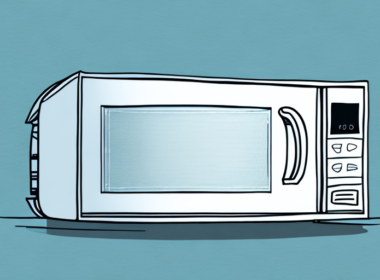
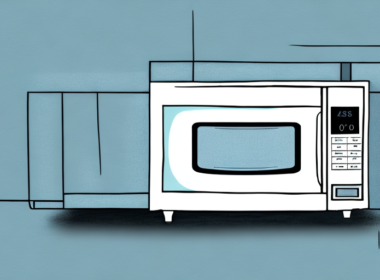
A bisque kiln is a type of oven used in pottery to fire ceramics at a lower temperature (usually between 1650-1800°F) than the final glaze firing (often around 2300°F). Bisque firing removes water and organic materials from the clay, creating a porous, hard substance that can be glazed, painted, or left unadorned. Bisque kilns come in different sizes, capacities, designs, and heating sources (gas, electric, or wood-fired), allowing users to choose the best one for their space, budget, and preferences.
One important factor to consider when using a bisque kiln is the firing schedule. This refers to the specific temperature and duration of each stage of the firing process. A typical bisque firing schedule involves a slow heating rate to allow for the organic materials to burn off without causing the clay to crack or warp. Once the desired temperature is reached, the kiln is held at that temperature for a period of time to ensure that all the water and organic materials have been removed. Finally, the kiln is slowly cooled to prevent thermal shock and cracking of the ceramics. It is important to follow a proper firing schedule to ensure the best results for your pottery.
How to Choose the Right Bisque Kiln for Your Needs
Choosing the right bisque kiln can be a daunting task, but it’s essential to invest in a high-quality, reliable, and efficient model, especially if you are serious about pottery making. Factors to consider when selecting a bisque kiln include its size (based on the size of your pieces), its capacity (based on your production needs), its energy efficiency and cost, its firing temperature range, its programmable features (such as digital controllers and delay start), its ventilation and safety features, and its maintenance requirements. Consulting with experts, reading reviews, and comparing brands and models can help you make an informed decision.
Advantages of Using a Bisque Kiln for Firing Clay
Using a bisque kiln for firing clay offers several advantages for potters. These include:
- Bisque firing makes the clay porous and more receptive to glazes, colors, and textures.
- Bisque firing helps prevent cracking or warping of the clay during the final glaze firing, as it removes internal stresses and moisture.
- Bisque firing is less risky than glaze firing, as it does not require precise temperature control or glaze application.
- Bisque firing allows the clay to retain its natural color and texture, which can be desirable for some pottery styles.
- Bisque firing is a standard practice in pottery making, and many types of glazes require it as a base layer.
How to Load and Unload a Bisque Kiln Safely and Effectively
Properly loading and unloading a bisque kiln is crucial for ensuring that your pottery pieces fire evenly, without cracking or breaking. Here are some tips to follow:
- Arrange your pieces in a balanced and spaced-out way, avoiding overcrowding or uneven weight distribution.
- Stack your pieces by similar thickness or size to ensure consistent firing.
- Place kiln shelves and pottery pieces on kiln posts. Stack your shelves and posts to maximize your space.
- Label your pottery pieces with their names, dates, and artist’s name to keep track of them.
- Wear protective gear, such as gloves, goggles, and aprons, when handling or loading/unloading your bisque kiln.
- Wait until the kiln has cooled down to room temperature before unloading your pottery pieces carefully.
Different Types of Bisque Kilns and Their Features
There are different types of bisque kilns on the market, each with its unique features and benefits. Here are some examples:
- Top-loading kilns: These kilns are easy to load and unload but may have limited space and airflow.
- Front-loading kilns: These kilns have larger capacities and more ventilation options but may be harder to access and load/unload.
- Ceramic fiber kilns: These kilns are lightweight and energy-efficient but may have longer firing times and limited insulation.
- Electric kilns: These kilns are convenient, precise, and easy to install, but may require higher electricity consumption and have limited temperature ranges.
- Gas kilns: These kilns are faster, more powerful, and can reach higher temperatures, but require professional installation and ventilation systems.
Tips for Maintaining and Cleaning Your Bisque Kiln
Maintaining and cleaning your bisque kiln is essential for ensuring its longevity, efficiency, and safety. Here are some tips to follow:
- Regularly check the wiring, elements, and hardware for damages or signs of wear and tear.
- Replace or repair any defective parts as soon as possible. Follow the manufacturer’s instructions.
- Clean the inside of your kiln with a soft brush or vacuum to remove debris, dust, or glaze drips. Do not use water unless explicitly approved by the manufacturer.
- Replace the kiln shelves, posts, and other accessories when they become warped or damaged.
- Store your kiln in a dry, clean, and well-ventilated area when not in use.
Best Practices for Firing Pottery in a Bisque Kiln
Firing pottery in a bisque kiln requires some practice and care, but can be rewarding and enjoyable. Here are some best practices to follow:
- Preheat your kiln before firing to allow the temperature to stabilize.
- Use the recommended firing schedule for your clay type and kiln model.
- Avoid rapid temperature changes or fluctuations, which can cause cracking or warping.
- Monitor the firing process regularly, following the instructions of your kiln controller or thermometer.
- Open the kiln lid slightly during the cooling phase to prevent thermal shock.
- Wait until the kiln is completely cooled down before removing your pottery pieces.
How to Troubleshoot Common Issues with a Bisque Kiln
Even the best bisque kilns may encounter some common issues that can affect their performance or safety. Here are some troubleshooting tips for bisque kiln users:
- If your kiln overheats or underheats, check the wiring, elements, and controller settings. Adjust them accordingly.
- If your kiln has uneven heating or cooling, check the placement of your pottery pieces, the ventilation system, or the temperature distribution of the kiln. Adjust them accordingly.
- If your kiln emits noxious fumes or smokes, turn it off immediately and check the ventilation system or the presence of debris or flammable materials inside the kiln.
- If your kiln causes your pottery pieces to crack or break, check the firing schedule, the temperature control, or the clay’s moisture content. Adjust them accordingly.
The Environmental Benefits of Using a Bisque Kiln
Bisque firing is a more environmentally friendly pottery technique than other fired pottery techniques, such as raku or salt firing, which require higher temperatures, more energy, and emit more pollutants. By using a bisque kiln, potters can conserve energy, reduce their carbon footprint, and lower their firing costs. Bisque firing can also be combined with solar or wind energy sources for even greener practices.
How to Calculate Firing Costs with a Bisque Kiln
Calculating firing costs with a bisque kiln can help potters estimate the expenses of their pottery making and adjust their pricing accordingly. The firing costs may include factors such as the electricity or gas consumption of the kiln, the cost of the clay and glazes, the time and labor involved, and the overhead expenses. Consulting with specialized pottery equipment suppliers and industry peers can provide more accurate and specific information on pricing models.
The History and Evolution of Bisque Kilns in Pottery Manufacturing
Bisque firing has been a standard practice in pottery manufacturing for centuries, dating back to ancient Greece and Rome. Bisque kilns were initially made of bricks or earthenware, and fueled by wood or charcoal. With the industrial revolution and the emergence of electric and gas kilns in the 19th and 20th centuries, bisque firing became more efficient, accessible, and versatile. Today, bisque kilns are used by hobbyists, artists, and industrial manufacturers alike, and have undergone numerous technological advancements and innovations.
The Future of Firing with Bisque Kilns – Trends and Innovations
The future of bisque firing and kiln technology is exciting and promising, as manufacturers continue to develop more energy-efficient, intelligent, and customizable models. Some of the trends and innovations in bisque kilns and pottery making include:
- Smart controllers and mobile apps that allow users to monitor and adjust the kiln from a distance.
- Advanced sensors and analytics that collect data on temperature, moisture, and airflow, enabling more precise and consistent firing results.
- 3D printing technology that allows for more complex and intricate pottery designs, which can be bisque fired and glazed with a kiln.
- Bio-based fuels and renewable energy sources that can further reduce the carbon footprint and environmental impact of bisque firing.
Comparing Bisque Kilns to Other Types of Pottery Firing Techniques
Bisque firing is one of the most common and versatile pottery firing techniques, but it is not the only one. Other methods of firing pottery include:
- Raku firing, which involves removing red-hot pottery from the kiln and rapidly cooling it with water or other substances, resulting in unique crackled patterns and metallic effects. This technique is less predictable and more dangerous than bisque firing.
- Salt firing, which involves packing salt into the kiln during firing, producing a glossy or matte finish on the pottery surfaces. This technique is more expensive and polluting than bisque firing.
- Pit firing, which involves burying pottery in a pit and firing it with wood or other combustibles, creating unique natural patterns and colors. This technique is less controlled and more primitive than bisque firing.
Expert Opinions and Reviews on the Best Bisque Kilns in the Market Today
There are numerous bisque kilns available on the market, making it challenging for potters to choose the one that best suits their needs. Consulting expert opinions and reviews can provide users with valuable insights and recommendations, based on their experience and expertise. Some of the best bisque kilns in the market today, according to pottery experts, include:
- Skutt KM818, a reliable and durable electric kiln with precise temperature control and excellent ventilation.
- Olympic Kilns Medallion Artist Series, a high-capacity and versatile electric kiln with programmable features and consistent results.
- L&L Easy-Fire, a fast and efficient electric kiln with auto shut-off and multiple safety features.
- Paragon QuikFire 6, a compact and portable electric kiln with rapid firing time and low energy consumption.
- Bailey Ceramic Supplies Gas Kilns, a range of top-quality gas kilns with high performance and customization options.
In conclusion, bisque firing is an essential and beneficial technique in pottery making, and using a bisque kiln offers numerous advantages for potters. By understanding the basics, selecting the right model, and following best practices, potters can create beautiful, sturdy, and unique pieces with bisque firing. We hope this article has provided you with valuable information and inspiration on firing with bisque kilns. Happy pottery making!