

Pottery is an ancient art form that is still cherished today for its beauty and functionality. While traditional ceramics require the use of a kiln, air-dry clay has been a game-changer for many artists. In this article, we will explore the benefits of using air dry clay for pottery making and guide you through the steps of using it to create beautiful and functional pieces on a pottery wheel. So, let’s get started!
The Benefits of using Air Dry Clay for Pottery Making
When it comes to pottery making, air dry clay has several advantages over traditional clay. For one, it is much easier to work with as it does not require a kiln for firing. This means that you can create pottery at home without the need for expensive equipment or specialized knowledge.
Another advantage of air dry clay is that it dries quickly and is relatively lightweight, making it easy to move and transport. Plus, it is less messy than traditional clay as it does not require water or slip during the sculpting process. Additionally, air dry clay can be painted, glazed, or sealed, just like traditional ceramics, to create a polished and professional-looking finished product.
Moreover, air dry clay is a great option for beginners who are just starting out with pottery making. It is forgiving and allows for mistakes to be easily corrected, unlike traditional clay which can be unforgiving and difficult to work with. This makes it a great material for children and adults alike who are looking to explore their creativity and develop their skills in pottery making.
How to Choose the Right Tools and Supplies for Air Dry Clay Pottery
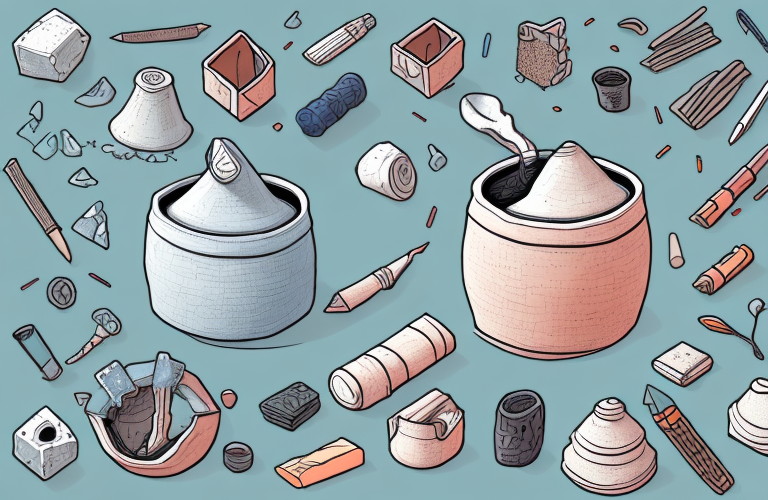
To get started with air dry clay pottery, you will need a few essential tools and supplies. Here are the basics:
- Air dry clay: Choose a variety that works best for your project, and make sure to purchase enough to avoid running out during the sculpting process.
- A pottery wheel: While a pottery wheel is not strictly necessary, it is highly recommended for creating consistent and symmetrical forms. You can purchase a basic model for home use or rent one from a local pottery studio.
- Clay sculpting tools: These include spatulas, loop tools, wire cutters, a sponge, and a rib, among others. Make sure to invest in good quality tools that are comfortable to hold and easy to use.
- Water or clay slip: Use water to moisten the clay when needed, or make clay slip by mixing water with clay dust to help smooth out the surface of your pottery.
- A workspace: Choose a designated area with adequate lighting and ventilation, and protect your work surface with plastic or a drop cloth.
Aside from the basic tools and supplies, there are additional items that can enhance your air dry clay pottery experience. One of these is a clay extruder, which can help you create intricate designs and patterns. Another is a kiln, which allows you to fire your pottery for added durability and strength.
It’s also important to consider the quality of your air dry clay. While cheaper options may be tempting, investing in a higher quality clay can make a significant difference in the final product. Look for clay that is smooth and pliable, and that dries evenly without cracking or shrinking.
Preparing Your Workspace for Air Dry Clay Pottery Making
Now that you have your tools and supplies, it is time to prepare your workspace for pottery making. Here are the steps:
- Clean and organize your space: Clear out any clutter or debris that may get in the way and organize your tools so that they are easily accessible.
- Cover your work surface: Using plastic or a drop cloth, cover your work surface to protect it from clay dust and residue.
- Set up your pottery wheel: If you are using a pottery wheel, make sure it is properly secured and level.
- Get a bucket of water: Keep a bucket of water nearby to moisten the clay and your tools as needed.
It is also important to consider the temperature and humidity of your workspace. Air dry clay is sensitive to these factors and can crack or become brittle if exposed to extreme conditions. Ideally, your workspace should be at room temperature with a humidity level of around 50%. If your workspace is too dry, consider using a humidifier or misting the air with water to maintain the proper moisture level.
Step-by-Step Guide: Creating Basic Forms with Air Dry Clay on a Pottery Wheel
The next step is to practice creating basic forms using air dry clay on a pottery wheel. Here are the steps:
- Prepare your clay: Using your hands, knead the clay until it is soft and pliable. Shape it into a ball and place it on the center of the pottery wheel.
- Center the clay: Using the wheel’s foot pedals, center the clay by pressing down on it with your hands while the wheel is spinning.
- Create a cavity: Use your thumbs to press into the center of the clay, creating a cavity that extends about two-thirds of the way down.
- Shape your form: Use your fingers and tools to shape the clay into the desired form. You can create a bowl, cup, or vase, among other shapes.
- Smooth and refine: Use a sponge or wet finger to smooth out any rough spots or bumps on the surface of your form.
- Dry and finish: Allow your pottery to air dry completely, then paint, glaze, or seal it as desired.
Once you have mastered the basic forms, you can experiment with more complex shapes and designs. Try adding texture to your pottery by using different tools or techniques, such as carving or stamping. You can also mix different colors of clay together to create unique patterns and designs.
It’s important to note that air dry clay can be fragile when it’s dry, so handle your finished pieces with care. If you want your pottery to be more durable, you can bake it in an oven or kiln to harden it. However, be sure to follow the manufacturer’s instructions carefully to avoid damaging your pottery.
Advanced Techniques: Sculpting Intricate Designs with Air Dry Clay on a Pottery Wheel
Once you have mastered the basics of pottery making with air dry clay on a pottery wheel, you can start experimenting with advanced techniques. One such technique is sculpting intricate designs that showcase your creativity and skill. Here are some tips for doing so:
- Use multiple clay colors: Incorporating different clay colors into your design can make it more visually interesting and unique.
- Carve into the surface: Use a loop tool or other carving tool to create patterns or reliefs on the surface of your pottery.
- Add texture: You can use stamps or other texturing tools to create raised patterns or designs on the surface of your pottery.
Another technique for sculpting intricate designs with air dry clay on a pottery wheel is to use the coil building method. This involves creating long, thin coils of clay and then layering them on top of each other to create a three-dimensional design. You can also use the pinch pot method to create intricate shapes and designs by pinching and shaping the clay with your fingers. Experimenting with different techniques and combining them can lead to truly unique and stunning pieces of pottery.
Tips and Tricks for Achieving Smooth and Even Surfaces with Air Dry Clay on a Pottery Wheel
One challenge when working with air dry clay on a pottery wheel is achieving smooth and even surfaces. Here are some tips and tricks to help you master this skill:
- Use plenty of water: Keep your hands and tools moistened with water to help smooth out the surface of the clay.
- Go slow: Take your time when shaping and smoothing the clay to avoid creating bumps or uneven surfaces.
- Use a rib: A rib is a tool that can be used to smooth out the surface of your pottery and remove excess clay.
Another tip is to use a sponge to smooth out the surface of the clay. Wet the sponge and gently rub it over the surface of the clay to remove any bumps or imperfections.
It’s also important to pay attention to the consistency of the clay. If the clay is too dry, it will be difficult to achieve a smooth surface. If it’s too wet, it may be too soft and difficult to work with. Experiment with different levels of moisture to find the right consistency for your project.
How to Add Texture and Detail to Your Air Dry Clay Pottery Creations
Texture and detail can add interest and depth to your air dry clay pottery creations. Here are some ways to achieve this:
- Use stamps or texturing tools: You can purchase pre-made stamps or create your own by carving designs into wood or linoleum.
- Add surface decorations: You can add surface decorations to your pottery by pressing small objects, such as buttons or beads, into the surface of the clay.
- Create relief designs: You can use carving tools to create raised patterns or designs on the surface of your pottery.
Decorating Your Air Dry Clay Pottery: Glazing, Painting, and Finishing Techniques
Once your air dry clay pottery is dry, you can decorate it using a variety of techniques. Here are some popular options:
- Painting: You can paint your pottery with acrylic or ceramic paint to create colorful and intricate designs.
- Glazing: Glazing is a technique in which a thin layer of glass is applied to the surface of your pottery, creating a shiny and protective coating.
- Sealing: You can apply a clear sealant to your pottery to protect it from wear and tear.
Caring for Your Air Dry Clay Pottery: Storage, Cleaning, and Maintenance Tips
To keep your air dry clay pottery in top condition, it is important to follow these care and maintenance tips:
- Store your pottery in a cool, dry place away from direct sunlight and moisture.
- Clean your pottery with a soft-bristled brush and mild soap and water.
- Avoid using abrasive cleaners or scrubbers that could scratch the surface of your pottery.
- Handle your pottery with care and avoid dropping or bumping it.
That wraps up our guide to creating pottery with air dry clay on a pottery wheel. With these tips and techniques, you can create beautiful and functional pottery at home without the need for a kiln. So, get started on your pottery-making journey today, and let your creativity soar!