For centuries, pottery has been a popular art form enjoyed by both amateurs and professionals alike. Whether you’re looking to create functional pieces for everyday use or display decorative sculptures in your home, pottery is a versatile and rewarding hobby that allows you to express your creativity and explore your artistic side. In this article, we’ll cover everything you need to know about this fascinating craft, from the history and cultural significance of pottery, to the essential tools and techniques required for success.
The History of Pottery and its Cultural Significance
Pottery making has been practiced by humans since prehistoric times, with archaeological evidence of pottery dating back to 24,000 BC. Throughout the ages, pottery has played an important role in human society, serving both practical and artistic purposes. In ancient civilizations such as Greece, Rome, China and Japan, pottery was used to create beautiful vessels for religious offerings, daily use, and as works of art. In many cultures, pottery is also closely associated with rituals of birth, death and renewal. Today, pottery continues to hold a place of honor in many cultures, and the legacy of traditional techniques and designs persists around the world.
One of the most fascinating aspects of pottery is the way in which it reflects the cultural and historical context in which it was created. For example, the intricate designs and patterns found on Native American pottery often reflect the natural world and spiritual beliefs of the tribe. Similarly, the blue and white porcelain of China’s Ming Dynasty is a reflection of the cultural and artistic influences of the time. Pottery can also serve as a record of historical events, such as the impact of colonization on indigenous pottery traditions in the Americas. By studying pottery, we can gain a deeper understanding of the people and societies that created it.
Health Benefits of Pottery: A Therapeutic Practice
Many people find pottery to be a therapeutic practice that promotes relaxation and mindfulness. The repetitive motions of hand-building or wheel-throwing can be calming and meditative, reducing stress and anxiety. In addition, working with clay can improve hand-eye coordination and fine motor skills. Pottery can also help build patience and focus as you learn to master the many steps of the process.
Furthermore, pottery has been shown to have physical health benefits. The act of kneading and shaping clay can provide a low-impact workout for the hands, wrists, and arms, which can help improve strength and flexibility. Additionally, the heat from the kiln can provide therapeutic benefits, similar to a sauna, by helping to relax muscles and improve circulation.
Another benefit of pottery is the opportunity for social connection. Many pottery studios offer classes or workshops where individuals can come together to learn and create. This can provide a sense of community and belonging, which can have positive effects on mental health and well-being. Pottery can also be a way to connect with others through the sharing and gifting of handmade pieces.
Essential Tools and Materials Required for Pottery Making
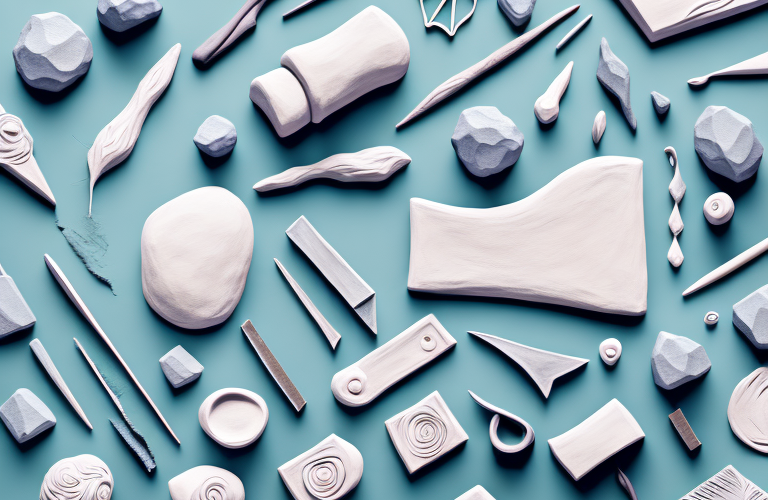
To get started with pottery making, you’ll need a few basic tools and materials. These include clay, a pottery wheel (if you choose to use one), a set of pottery tools for shaping and trimming, a kiln for firing your pieces, and glazes for decorating and protecting your finished works. You can purchase these items online or at your local arts and crafts store.
It’s important to note that not all clay is created equal. Different types of clay have different properties and are better suited for certain types of pottery. For example, earthenware clay is great for making decorative pieces, while stoneware clay is more durable and better for functional pieces like plates and bowls. It’s important to do your research and choose the right type of clay for your project.
Different Types of Clay and Their Uses in Pottery
There are several different types of clay used in pottery making, each with its own unique characteristics and properties. Some of the most commonly used clays include earthenware, stoneware, and porcelain. Earthenware is a soft, porous clay that is easy to work with and fires well at lower temperatures. Stoneware is a stronger, more durable clay that is fired at a higher temperature, resulting in a more sturdy and long-lasting piece. Porcelain is a more refined, delicate clay that can be challenging to work with, but produces beautiful results.
Pottery Techniques: Hand-building vs Wheel-throwing
There are two main techniques used in pottery making: hand-building and wheel-throwing. Hand-building involves shaping clay by hand, without the use of a pottery wheel. This method allows for a wide range of shapes and textures, and is often used to create sculptural pieces. Wheel-throwing, on the other hand, involves spinning the clay on a pottery wheel while shaping it with your hands and tools. This method is used to create symmetrical vessels such as bowls, cups, and plates.
How to Create Unique Designs and Patterns on Your Pottery
One of the most exciting aspects of pottery making is the opportunity to create unique designs and patterns on your pieces. There are many ways to decorate your pottery, including painting, carving, stamping, and glazing. You can also experiment with different textures and shapes to create one-of-a-kind works of art.
Firing and Glazing: The Final Steps in the Pottery-making Process
Once you’ve created your pottery pieces and decorated them to your liking, it’s time to fire and glaze them. Firing your pieces in a kiln heats them to high temperatures, causing the clay to harden and become more durable. Glazing your pieces involves applying a special coating to the surface of the clay to protect it from wear and tear, as well as to add color and texture.
Turning Your Passion for Pottery into a Profitable Business Venture
If you find that you have a talent for pottery making and a passion for the craft, you may want to consider turning your hobby into a profitable business venture. Many potters sell their wares at local markets, craft fairs, or online, and some even establish their own pottery studios or shops. With dedication and hard work, you can turn your love of pottery into a successful career.
Tips for Setting Up a Home Pottery Studio on a Budget
If you’re interested in pursuing pottery making as a hobby, but don’t want to invest in an expensive studio or equipment, there are many ways to set up a home pottery studio on a budget. Look for used pottery wheels and kilns online, and consider converting a spare room or garage into a pottery studio. You can also save money on supplies by buying in bulk, using recycled materials, or making your own clay and glaze recipes.
The Best Places to Find Inspiration for Your Next Pottery Project
Inspiration can come from many sources when it comes to pottery making. One great way to get ideas is to visit museums and galleries that feature ceramic art from around the world. You can also attend pottery workshops and classes, read books and magazines on pottery making, or browse online forums and social media groups for tips and inspiration from other potters.
Common Mistakes to Avoid When Starting Out with Pottery
When you’re just starting out on your pottery journey, there are many common mistakes that you’ll want to avoid. These include using the wrong type of clay, failing to properly prepare your clay or tools, and not following the firing and glazing instructions carefully. By doing your research and paying attention to the details, you can avoid these pitfalls and create beautiful pottery pieces that you’ll be proud to display.
Joining a Local Pottery Community: Benefits and Opportunities
One of the best ways to learn more about pottery making and connect with other potters is to join a local pottery community. Whether it’s a shared workspace, a pottery class, or a social club, these communities offer many opportunities for learning, inspiration, and collaboration. You can also participate in local pottery events and competitions, and even share your knowledge and skills by teaching others.
Exploring Different Types of Glazes for Your Pottery Masterpieces
Glazes are an important part of the pottery-making process, as they not only add color and texture to your pieces, but also protect them from water and wear. There are many different types of glazes available, including glossy, matte, and metallic finishes. You can also experiment with layering different glazes or using special techniques such as wax resist to create unique effects.
How to Incorporate Other Art Forms into Your Pottery Projects
Pottery making is a versatile craft that can easily be combined with other art forms to create beautiful and unique pieces. For example, you can incorporate painting, drawing, or sculpture into your pottery projects, or use textile techniques such as weaving or embroidery to add interest and texture. The possibilities are endless!
Eco-Friendly Practices in Pottery: A Sustainable Approach
As with any craft or industry, pottery making has an environmental impact. However, there are many ways to make your pottery practice more eco-friendly and sustainable. You can use recycled clay and materials, minimize the use of water and energy during firing, and choose glazes that are non-toxic and safe for the environment.
The Role of Technology in Contemporary Ceramic Art
In the modern era, technology has played an increasingly important role in the pottery-making process. From advanced clay formulations to computer-assisted design and 3D printing, today’s potters have an array of high-tech tools and techniques at their disposal. This has led to many exciting developments in the field of contemporary ceramic art, as artists explore new forms, materials, and concepts.
Celebrating the Beauty of Imperfection: Wabi-Sabi Philosophy in Pottery
One of the most appealing aspects of pottery making is the idea of celebrating imperfection. Pottery pieces are often valued for their unique flaws and irregularities, which add character and depth. This philosophy is embodied in the Japanese concept of wabi-sabi, which celebrates the beauty of impermanence, imperfection, and the natural world.
The Future of Pottery as an Art Form
As we look to the future, it’s clear that pottery will continue to play an important role in the world of art and design. With innovations in technology, new techniques and materials, and a growing appreciation for handmade and sustainable goods, the possibilities for pottery making are endless. Whether you’re a beginner or a seasoned pro, there’s never been a better time to explore the joys of pottery as a hobby.