
When it comes to creating any type of clay-based art, having the right tools is an absolute essential. Clay tools are specially designed to help artists and sculptors shape, carve, and refine their creations, and can make all the difference when it comes to the overall quality and look of a finished piece. In this article, we will be exploring the many benefits of using clay tools for crafting and sculpting, and will be delving into the various types of tools available, as well as their functions, maintenance, and more.
Exploring the Different Types of Clay Tools Available
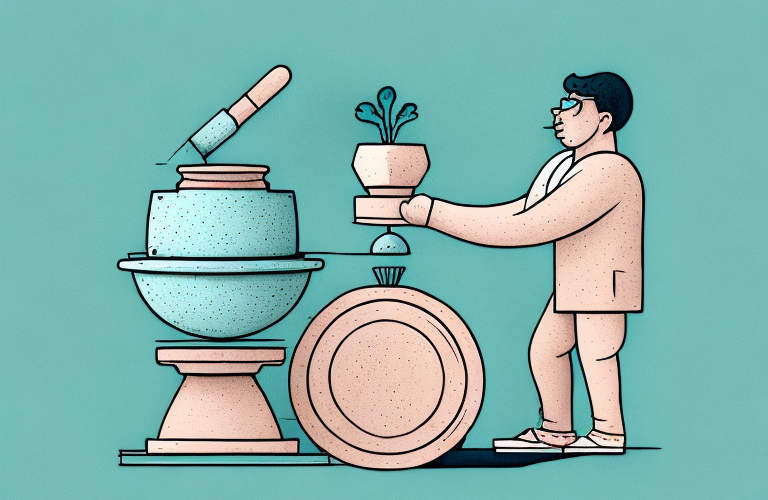
First and foremost, it’s important to understand that clay tools come in a wide variety of shapes, sizes, and materials. Some of the most commonly used tools include pottery wheels, ribs, wire tools, rollers, loop tools, and brushes. Each tool serves a specific purpose, whether it is to smooth surfaces, add detail, or create texture. For example, a wire tool is ideal for cutting clay into various shapes, while a rib is perfect for smoothing and shaping surfaces. Depending on the type of art you are creating, you may want to invest in a variety of different tools to achieve the desired effect.
It’s also important to consider the material of the clay tools you are using. While some tools may be made of plastic or wood, others may be made of metal or even bone. The material of the tool can affect the texture and finish of the clay, as well as the durability of the tool itself. Additionally, some artists prefer to use handmade tools, as they can be customized to fit their specific needs and preferences. Ultimately, the choice of tools and materials will depend on the individual artist’s style and technique.
The History of Clay Tools and How They Have Evolved
Clay tools have been used for centuries, and their design has evolved significantly over time. The earliest forms of clay tools were made from materials such as bone, wood, and stone, and were used in ancient civilizations like the Egyptians, Greeks, and Romans to create pottery and other clay-based art. Today, clay tools come in a wide variety of materials, including metal, plastic, and silicone, and are designed for optimal precision and durability. From hand-crafted to mass-produced, the options are virtually endless when it comes to choosing the perfect set of clay tools.
One of the most significant advancements in clay tool design has been the development of electric pottery wheels. These machines allow artists to create pottery with greater speed and precision than ever before. Electric pottery wheels have become a staple in many pottery studios and have revolutionized the way that clay art is created.
Another recent development in clay tool design is the use of 3D printing technology. This technology allows artists to create custom clay tools that are tailored to their specific needs and preferences. With 3D printing, artists can create tools that are more ergonomic, efficient, and precise than ever before. As this technology continues to evolve, it is likely that we will see even more innovative clay tools being developed in the future.
The Importance of Choosing the Right Clay Tool for Your Project
Choosing the right clay tool is essential for any type of clay-based art, as it can greatly impact the quality and overall look of your finished piece. When selecting a clay tool, consider the specific features that are important to your project. For example, if you are creating a sculpture with intricate details, you may need a loop tool or a dental tool to add those fine touches. Alternatively, if you are creating a piece with a lot of texture, a rib or a texture mat may be more appropriate. Selecting the right tool for your needs will ensure that you can achieve the best possible results.
Another important factor to consider when choosing a clay tool is the type of clay you are working with. Different types of clay have different properties, such as hardness and plasticity, which can affect the type of tool you need. For example, if you are working with a hard clay, you may need a wire tool to cut through it, while a softer clay may require a smoother tool to shape it.
It is also important to consider the ergonomics of the tool. If you are working on a large project, you may be using the tool for an extended period of time, so it is important to choose a tool that is comfortable to hold and use. Some tools come with ergonomic handles or grips that can reduce hand fatigue and make the process more enjoyable.
How to Properly Maintain and Care for Your Clay Tools
Proper maintenance and care of your clay tools is crucial to their longevity and effectiveness. After using your tools, be sure to clean them thoroughly with warm water and soap to remove any clay residue. Avoid leaving clay on your tools for extended periods of time, as this can cause them to rust or become damaged. Additionally, store your tools in a dry, cool place to prevent warping or cracking. With proper care, your clay tools can last for years to come.
Understanding the Different Techniques Used with Clay Tools
Clay tools are used in a variety of techniques to create different effects and styles. Some of the most common techniques include coiling, slab building, and wheel throwing. Each technique requires different tools and methods, and can produce vastly different results. Familiarizing yourself with these techniques and the tools required for each can help you achieve your desired style and look for your art.
How to Create Unique and Intricate Designs with Clay Tools
One of the greatest benefits of using clay tools is the ability to create unique and intricate designs. Through the use of tools like carving knives, loop tools, and texture mats, artists and sculptors can achieve highly detailed and stylized effects that would otherwise be impossible. Experimenting with different tools and techniques can lead to truly one-of-a-kind creations that are sure to impress and captivate viewers.
The Benefits of Incorporating Texture into Your Sculptures with Clay Tools
Texture is an essential element in any type of art, including clay-based creations. By incorporating texture into your sculptures using tools like texture mats, brushes, and rollers, you can create visual interest and depth, making your piece more dynamic and engaging. Whether you are creating a simple vase or a complex sculpture, experimenting with texture can elevate your art to the next level.
Tips and Tricks for Using Clay Tools to Achieve Desired Effects
When using clay tools, there are several tips and tricks that can help you achieve the desired effects with greater ease and precision. For example, using a lubricant like water or oil can help tools glide smoothly over the clay surface, while using light pressure can prevent unwanted marks or scratches. Additionally, experimenting with different angles and positions can help you achieve unique and unexpected results. With practice and patience, you can become a master of using clay tools to achieve your desired effects.
The Role of Clay Tools in Modern Artistry and Design Trends
Clay tools continue to be an essential part of modern artistry and design trends, as artists and designers alike harness the power of these specialized tools to create truly unique and captivating works. From hand-crafted ceramics to large-scale sculptures, clay tools are used to bring creativity to life in a variety of different mediums and styles. By embracing the versatility and potential of clay tools, artists and designers can create dynamic and captivating works that leave a lasting impact on viewers.
The Advantages of Using Handmade Clay Tools over Mass-Produced Ones
While mass-produced clay tools can be a convenient and cost-effective option for many artists, there are also significant advantages to using handmade tools. Handmade tools are crafted with care and precision, and offer a level of quality and durability that can be difficult to find with mass-produced options. Additionally, handmade tools often come with a personal touch, as they are created by skilled artisans who are passionate about their craft. By investing in handmade clay tools, you can add a unique and personal element to your art, and ensure that your tools are of the highest possible quality.
Exploring the Relationship Between Clay Tools and Ceramic Artistry
Ceramic artistry is one of the oldest and most celebrated forms of clay-based art, and relies heavily on the use of clay tools to achieve its desired effects. Whether creating functional pottery pieces or elaborate sculptures, ceramic artists use a variety of tools and techniques to bring their creations to life. From hand-built to wheel-thrown pieces, clay tools play an essential role in the creation and refinement of ceramic artistry.
Why Investing in Quality Clay Tools is Worth the Cost
While it may be tempting to opt for cheaper clay tools, investing in quality tools is truly worth the cost. Quality tools offer greater precision, durability, and versatility, and can make all the difference when it comes to the finished product. Additionally, quality tools are often backed by warranties or guarantees, offering peace of mind and protection against defects or damages. By investing in quality clay tools, you can ensure that your art is of the highest possible caliber, and that your tools will last for years to come.
The Environmental Benefits of Using Natural Clay-Based Materials for Crafting
Finally, it’s important to recognize the environmental benefits of using natural clay-based materials for crafting. Unlike synthetic materials, natural clay is non-toxic, biodegradable, and easily sourced from the earth. Additionally, using natural materials can help reduce waste and environmental pollution, making it a more sustainable and responsible choice for artists and crafters. By using clay-based materials in your creative projects, you can help preserve our planet and promote a greener, healthier future.
Conclusion
In conclusion, using clay tools for crafting and sculpting offers a wealth of benefits, from greater precision and flexibility to the ability to create truly unique and intricate designs. With so many tools and techniques available, there is truly no limit to what can be achieved with clay-based art. Whether you are an experienced artist or just starting out, investing in quality clay tools and honing your skills can help take your art to the next level and create works that are truly remarkable.