As a pottery or sculpture enthusiast, owning a pot of clay and maintaining it in good condition is essential for your sculpting work. However, keeping clay fresh and ready for use requires proper storage techniques. In this guide, we’ll explore various techniques for maintaining the quality of stored clay, preventing contamination, and ensuring your clay stays hydrated and moist.
Understanding the Properties of Clay
Before we delve into storage tips, it is crucial to understand that all clay is unique and has different properties. Some clay is more fragile and can easily dry out, while others are more robust and resilient to external factors such as moisture, temperature, and humidity. Therefore, understanding the type and properties of clay in your possession is vital in determining the appropriate storage method.
One of the most important properties of clay is its plasticity, which refers to its ability to be molded and shaped without cracking or breaking. This property is determined by the amount of water in the clay, with wetter clay being more plastic than drier clay. Another important property is the firing temperature, which varies depending on the type of clay and its intended use. For example, earthenware clay is fired at a lower temperature than porcelain clay.
It is also important to note that different types of clay have different levels of porosity, which affects their ability to absorb water. For instance, terracotta clay is highly porous and can absorb large amounts of water, while porcelain clay is less porous and more water-resistant. Understanding the porosity of your clay is crucial in determining the appropriate storage method, as highly porous clay should be stored in a dry environment to prevent it from absorbing moisture and becoming brittle.
Common Mistakes to Avoid When Storing Clay
One of the mistakes people make when storing clay is exposing it to air and light. This exposes your clay to moisture, which can lead to mold growth and contamination. Another common mistake is over-hydrating the clay, making it too soft and unstable to use. Such mistakes destroy its quality and may render it useless over time.
Additionally, it is important to store your clay in a cool and dry place, away from direct sunlight and heat sources. Storing clay in a humid environment can cause it to become too soft and difficult to work with. It is also important to keep your clay covered when not in use, to prevent it from drying out and becoming unusable. By avoiding these common mistakes and taking proper care of your clay, you can ensure that it remains in good condition and ready to use for your next project.
Choosing the Right Storage Container for Your Clay
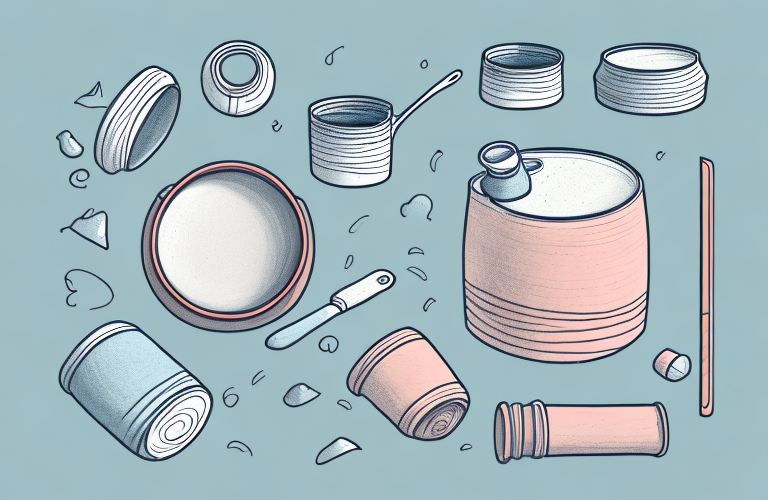
The container you use to store your clay plays an essential role in preserving its quality. Choose a container made of airtight material such as plastic and seal it tightly to prevent exposure to air and moisture. The container should also be able to allow your clay to breathe, remove excess moisture, and reduce the chance of drying out. Consider using a container with a lid that snaps or locks in place for added security.
It is also important to consider the size of the container you choose. If you have a large amount of clay, it is best to store it in smaller containers to prevent air and moisture from entering the unused portion. Additionally, labeling your containers with the type of clay and date of purchase can help you keep track of your inventory and ensure that you are using the freshest clay possible. By taking these steps, you can extend the life of your clay and ensure that it is always ready for your next project.
Temperature and Humidity Control for Clay Storage
Temperature and humidity are crucial factors that can determine how long your clay remains fresh and ready for use. Clay performs best when stored in a cool, dry place free from direct sunlight. High humidity and heat levels can lead to excess moisture, causing your clay to become soft and muddy.
It is recommended to store your clay in an airtight container or plastic bag to prevent moisture from seeping in. If you live in a humid climate, you may want to consider using a dehumidifier in your storage area to maintain optimal conditions. Additionally, it is important to avoid storing your clay near any sources of heat, such as radiators or ovens, as this can also cause the clay to become too soft and difficult to work with. By taking these precautions, you can ensure that your clay stays in top condition and is always ready for your next project.
Tips for Keeping Your Clay Hydrated and Moist
To keep your clay hydrated and moist, consider adding a wet cloth or sponge at the bottom of the storage container. This helps to create a humid environment for the clay to absorb moisture and stay moist. Alternatively, you can wrap your clay in a damp cloth or place your container in a shallow basin filled with water. However, avoid over-hydrating your clay as this can lead to softening and compromise its quality.
Another tip for keeping your clay hydrated and moist is to store it in an airtight container. This prevents the clay from drying out due to exposure to air. Additionally, you can use a spray bottle to mist the clay with water periodically to maintain its moisture level. It is important to note that different types of clay have different moisture requirements, so be sure to check the manufacturer’s instructions for specific guidelines on how to keep your clay hydrated and moist.
Preventing Contamination in Your Clay Storage Area
To prevent contamination, it is advisable to store your clay away from dust, insects, and other debris. Keep your storage area clean, and ensure that the containers used to store the clay are clean and free from other contaminants.
Another important factor to consider when storing clay is the temperature and humidity of the storage area. Clay should be stored in a cool, dry place to prevent it from drying out or becoming too moist. If the clay becomes too dry, it can become brittle and difficult to work with, while if it becomes too moist, it can become moldy and unusable.
It is also important to label your clay containers with the type of clay and the date it was purchased or made. This will help you keep track of your inventory and ensure that you are using the oldest clay first. Additionally, if you are using multiple types of clay, it is important to store them separately to prevent cross-contamination.
Labeling and Organizing Your Clay Collection
Maintaining a proper organization system for your clay is an essential aspect of protecting its quality. Label your clay container with the type and date of purchase or preparation to help you keep track of its age and quality. Store older clay separately, and use it before the new one to prevent waste.
Another important factor to consider when organizing your clay collection is the temperature and humidity of the storage area. Clay should be stored in a cool, dry place to prevent it from drying out or becoming too moist. If the clay becomes too dry, it can become brittle and difficult to work with, while too much moisture can cause it to become moldy or unusable. Consider investing in a dehumidifier or air conditioning unit to regulate the temperature and humidity of your storage area.
Storing Different Types of Clay – A Comprehensive Guide
Different types of clay require specific storage methods to maintain their quality. Some types of clay are more porous, while others are denser and require more oxygen. Understanding the nature and properties of the type of clay your using is crucial in determining the appropriate storage method.
How to Revive Dried Out or Hardened Clay
There’s nothing more frustrating than discovering that your clay is hard, dry, or cracked. However, reviving dried-out clay is possible. One approach is by adding a few drops of vinegar, which helps to break down hard clay and restore its malleability. Another method is soaking your clay in water overnight, which softens it and makes it pliable again.
Long-term Storage Solutions for Your Clay Collection
If you plan on storing your clay for an extended duration of time, consider using airtight bags, bins or plastic containers. Some types of clay have natural additives that make them more suitable for long-term storage. In such instances, consult with your supplier or manufacturer for recommendations on the appropriate storage methods.
Tips for Maintaining the Quality of Your Stored Clay
To keep your clay fresh and ready for use, ensure that you manage the moisture, temperature, and humidity levels consistently. Check your clay regularly and remove any mold, dust, or debris that might have accumulated.
DIY Clay Storage Solutions: Cost-effective Options for Potters and Sculptors
If you’re looking for a cost-effective way of storing your clay collection, consider using household items such as Ziploc bags, plastic containers, and damp towels. Such solutions help to maintain a level of humidity and protect your clay from external factors such as light and air.
How to Store Unused Clay Over Longer Periods of Time
If you plan on storing your clay for an extended duration, such as a few years, consider drying it out entirely to prevent contaminants from growing. Wrap your clay in paper or store it in a dry, airtight container. When you’re ready to use it, add water and knead until you achieve the desired consistency
Best Practices for Transporting and Storing Wet or Freshly Made Clay Pieces
Transporting and storing freshly made clay pieces can be challenging, given their fragile nature. Consider using a plastic wrap, newspaper, or foam sheets to wrap them securely. Store them in a sturdy box or container to prevent breakage during transportation. For wet clay pieces, keep them in a sealed container, and use moist towels to maintain their moisture.
In conclusion, proper storage techniques are essential for keeping your clay fresh and ready for use. By understanding the nature and properties of your clay and using appropriate storage techniques, you can extend its lifespan and ensure your pottery and sculpting projects are successful.