
If you’re a pottery enthusiast or artist, owning a kiln can be a game-changer. Kilns enable you to fire your creations and bring them to life, allowing you to explore your creative potential in new ways. However, with so many types and models of kilns available, choosing the right one for your needs can be a daunting task. In this comprehensive guide, we’ll take you through everything you need to know to find the best kiln for home use.
Types of Kilns for Home Use
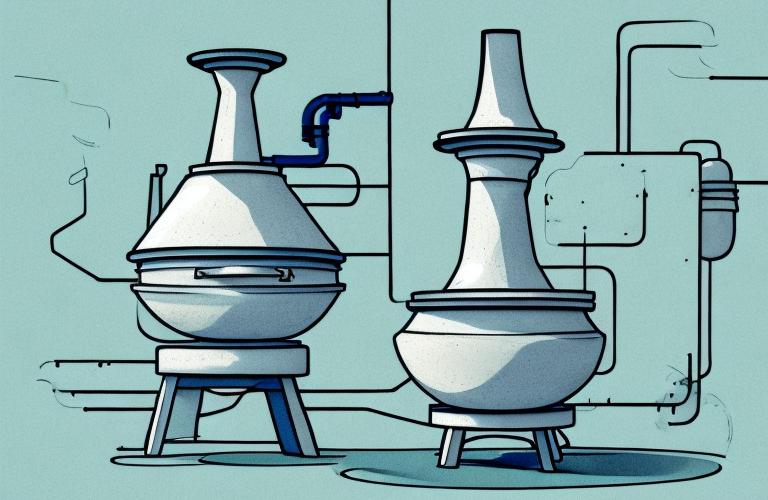
There are three main types of home kilns: electric, gas and DIY. Electric kilns are the most popular among home potters as they are easy to use, produce consistent results and are affordable to operate. Gas kilns can offer greater firing capabilities and can reach high temperatures, but they require more skill to operate and are more expensive to run. DIY kilns are the cheapest option but require more technical expertise and effort to build and operate.
It is important to consider the size of the kiln when choosing which type to use. Electric and gas kilns come in a range of sizes, from small tabletop models to larger floor-standing models. DIY kilns, on the other hand, are often limited in size by the materials used to construct them. It is also important to consider the type of work you will be firing in the kiln, as certain types of clay and glazes may require specific firing temperatures and atmospheres.
Factors to Consider When Choosing a Home Kiln
Several factors can influence your choice of home kiln, including your firing needs, available space and budget. Your clay body, glaze and firing temperature needs will influence the type of kiln you choose. Also, consider the size and weight of your pieces and whether you need a kiln that offers different firing modes and options.
Another important factor to consider when choosing a home kiln is the power source. Kilns can be powered by electricity, gas, or wood. Electric kilns are the most common and convenient option for home use, as they are easy to operate and maintain. Gas kilns are more expensive and require a gas line to be installed, but they offer more control over the firing process and can reach higher temperatures. Wood-fired kilns are the most traditional option, but they require a lot of space and can be difficult to operate. Consider your access to different power sources and the cost of installation and operation when choosing a kiln.
Electric vs Gas Kilns: Which is Better for Home Use?
Both electric and gas kilns have their advantages and disadvantages, and ultimately, the choice depends on your priorities and preferences. Electric kilns are the most popular for home use due to their convenience, ease of use, and affordable operating costs. Gas kilns offer greater control, faster firing rates and can accommodate larger quantities of clay. They also produce non-oxidized flames, which can create more vibrant and varied coloration in glazes.
However, electric kilns have a slower firing rate and may not be suitable for larger pieces of pottery. They also require a dedicated electrical circuit and may not be as environmentally friendly as gas kilns. On the other hand, gas kilns require a gas line and proper ventilation, which can be more expensive to install and maintain.
Another factor to consider is the type of clay you are using. Some clays may require a specific type of kiln, such as a gas kiln for reduction firing. It’s important to research and understand the specific needs of your clay before making a decision on which type of kiln to use.
How to Choose the Right Size Kiln for Your Needs
The kiln size should correspond to your firing needs and the size of the pieces you plan on firing. If you make small pieces, a smaller kiln is sufficient. However, if you make larger pieces or have significant firing requirements, you may need a larger kiln. Always double-check the manufacturer’s specifications for the maximum capacity of the kiln, and consider any future growth in your pottery practice.
Another factor to consider when choosing the right size kiln is the space you have available. Kilns come in different shapes and sizes, and you need to ensure that the kiln you choose fits in your workspace. You also need to consider the ventilation requirements of the kiln and ensure that you have adequate ventilation in your workspace.
It is also essential to consider the type of clay you use and the firing temperature required. Some types of clay require higher firing temperatures, which may require a larger kiln. Additionally, if you plan on firing multiple pieces at once, you may need a larger kiln to accommodate them all. Ultimately, choosing the right size kiln requires careful consideration of your firing needs, workspace, and future growth in your pottery practice.
Kiln Temperature Ranges and Firing Options
Kiln temperature ranges are important in deciding the type of clay and glaze you can use, as well as the level of detail and effect you hope to achieve. Firing options refer to the way of firing, such as oxidation or reduction. Electric kilns are ideal for oxidation firing, which creates vibrant and predictable colors in glazes. Gas kilns, on the other hand, favor reduction firing, which creates unique and varied surface effects.
It is important to note that different types of clay and glazes require different temperature ranges for optimal results. For example, earthenware clay typically fires at a lower temperature range of 1832-2012°F (1000-1100°C), while stoneware clay requires a higher temperature range of 2192-2372°F (1200-1300°C). Similarly, some glazes may require a specific temperature range to achieve the desired effect, such as a crystalline glaze that needs to be fired at a temperature range of 2300-2372°F (1260-1300°C) to produce its characteristic crystal formations.
Safety Tips and Precautions for Using a Home Kiln
Kilns can pose hazards when not handled with the utmost precaution. It is crucial to follow the manufacturer’s instructions and best practices when operating the kiln, as well as wearing protective gear such as gloves, eyewear, and aprons. Ensure proper ventilation in the area where the kiln is located, and don’t attempt to move or repair a kiln on your own.
Additionally, it is important to keep the kiln area free of any flammable materials, such as paper or fabric, as they can easily catch fire. Always keep a fire extinguisher nearby and know how to use it in case of an emergency. It is also recommended to have a smoke detector and carbon monoxide detector installed in the area.
When loading the kiln, make sure to arrange the items in a way that allows for proper air circulation and heat distribution. Overloading the kiln can cause uneven heating and potentially damage the items being fired. It is also important to regularly inspect the kiln for any signs of wear and tear, such as cracks or loose wires, and have it serviced by a professional if necessary.
Maintenance and Cleaning of Your Home Kiln
Maintenance and cleaning are essential for keeping your kiln in optimal condition, extend its lifespan and ensure accurate firing temperature readings. Regularly inspect the kiln’s electrical and mechanical components, clear debris from the kiln’s interior, and replace worn out or damaged parts. Wipe down the surface of the kiln and dust out debris with a soft-bristled brush or vacuum after each firing.
In addition to regular maintenance, it is important to properly clean your kiln after each use. Use a damp cloth to wipe down the interior and exterior of the kiln, being careful not to get water on any electrical components. For tougher stains or residue, use a kiln cleaner specifically designed for your type of kiln.
Another important aspect of kiln maintenance is proper ventilation. Make sure your kiln is located in a well-ventilated area and that the ventilation system is functioning properly. This will not only help with the firing process but also prevent any potential health hazards from inhaling fumes or gases.
Best Brands of Kilns for Home Use
Some of the best brands of kilns for home use include Paragon, Skutt, L&L and Jen-Ken. Choose a reputable brand that offers warranty and customer support, and avoids purchasing from unknown sources or private individuals.
How to Set Up Your Home Kiln for Optimal Performance
Proper setup of your kiln is vital to ensure optimal firing performance and accuracy. Follow the manufacturer’s instructions for assembling and installing the kiln, including placing it on a level surface, ensuring adequate clearance around the kiln, and using the appropriate electrical circuit required by the kiln model.
Cost Considerations of Owning and Operating a Home Kiln
Kilns are a significant investment upfront, but they offer long-term savings in materials and firing costs. Electric kilns are the most affordable to operate, while gas kilns require more maintenance and can be more expensive to run. Other costs to consider include installation, repair, and replacement of parts and maintenance supplies, such as kiln wash, bricks, and thermocouple.
Common Issues with Home Kilns and How to Troubleshoot Them
Despite their quality and reliability, home kilns can experience issues such as uneven firing, poor temperature control, and faulty electrical components. Troubleshooting can help diagnose and fix these problems, preventing further damage to the kiln or your pottery. Common troubleshooting techniques include debugging the electrical components, leveling the kiln, replacing parts, and recalibrating the temperature controller.
Overview of DIY Kilns for Home Potters
If you’re a hands-on person, you may consider building your kiln, also known as a DIY kiln. Though they require more technical expertise, DIY kilns offer greater control and flexibility, customizable designs, and more affordable options than commercial kilns. Choose from pottery kilns made of wood, brick, or metal and follow detailed plans to assemble and fire your kiln safely.
How to Store and Transport Your Pieces After Firing in Your Home Kiln
After firing your pottery, it’s important to store and transport them safely to avoid damage. Use cardboard boxes or bubble wrap to protect the pieces from breakage, and label them with the name, date, and firing details. Transport the pottery with care and avoid stacking them on top of each other or stacking heavy pieces on lighter ones.
Conclusion: Finding the Best Kiln for Your Creative Pursuits
In conclusion, choosing the right kiln for your creative pursuits requires consideration of various factors such as firing needs, space, and budget. Take your time to research the types and models of kilns available, and consult with experts or experienced potters before making a purchase. With the right knowledge and care, owning and operating a home kiln can bring endless creative possibilities and fulfillment to your art and craft.