
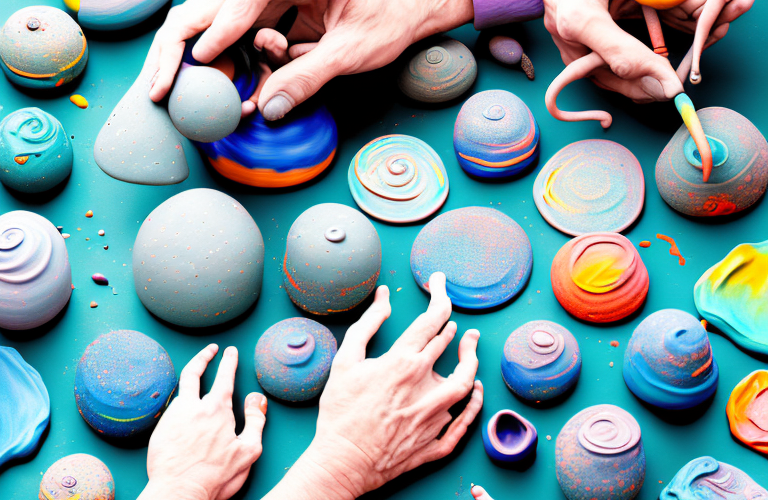
Raku clay is a type of low-firing ceramic, which has become increasingly popular due to its unique and attractive finishes. In this guide, we will explore the properties of Raku clay, the tools needed to work with it, and the step-by-step process of creating beautiful artwork using Raku clay. We will also cover safety precautions and troubleshooting tips to ensure your experience with Raku clay is enjoyable and successful.
What is Raku Clay and Why Is It Popular?
Raku clay is a type of clay that is specifically formulated for low-temperature firing. It is a popular choice for artists because of the unique and beautiful finishes that can be achieved through the firing process. The firing process creates a metallic luster, crackled surface, and a wide range of colors on the surface of the clay piece. This beautiful finish is what makes Raku clay a popular choice for artistic and decorative pieces.
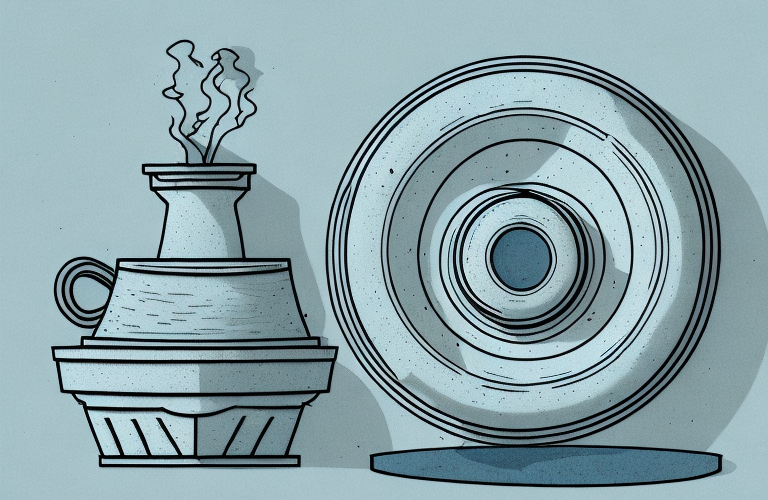
Another reason why Raku clay is popular among artists is because of its unpredictable nature. The firing process involves removing the piece from the kiln while it is still hot and placing it in a container filled with combustible materials, such as sawdust or leaves. The smoke from the burning materials reacts with the glaze on the piece, creating unique patterns and colors that cannot be replicated. This element of surprise and unpredictability is what draws many artists to work with Raku clay.
Additionally, Raku clay is a relatively fast and easy process compared to other firing techniques. The low firing temperature means that pieces can be fired and cooled in a matter of hours, rather than days or weeks. This allows artists to create and experiment with new pieces more quickly, and also makes it a more accessible technique for beginners who may not have access to a large kiln or extensive firing experience.
The History of Raku Clay and Its Cultural Significance
The origins of Raku clay can be traced back to Japan in the 16th century, where it became a popular choice among tea ceremony makers. The name Raku comes from the family name of the Japanese potter known for his work in the traditional style of low-firing ceramics. The family still maintains the tradition of producing Raku pottery to this day. Raku pottery is associated with the tea ceremony and its cultural significance in Japan reflects the importance of simple, powerful aesthetics in Japanese art.
Today, Raku pottery has gained popularity around the world and is appreciated for its unique, unpredictable patterns and textures. The process of creating Raku pottery involves removing the pieces from the kiln while they are still hot and placing them in a container filled with combustible materials, such as sawdust or newspaper. The materials ignite and create a reduction atmosphere, which causes the glaze to crackle and the colors to change. This process results in one-of-a-kind pieces that cannot be replicated, making Raku pottery highly sought after by collectors and art enthusiasts.
The Properties of Raku Clay: Strengths and Weaknesses
Raku clay has unique properties that make it stand out from other types of clay. It is a type of porous clay that is brittle and can easily break. However, this same property also makes it easier to work with and shape, even for novice potters. Raku clay also has a high rate of shrinkage due to its low firing temperature, so you should plan your design accordingly.
Another advantage of using Raku clay is that it produces a unique metallic finish when fired. This is due to the process of removing the pottery from the kiln while it is still hot and placing it in a container of combustible materials, such as sawdust or newspaper. The smoke from the burning materials reacts with the glaze, creating a distinctive pattern on the surface of the pottery.
However, it is important to note that Raku pottery is not suitable for functional use, as it is not waterproof and can easily crack or break. It is best used for decorative purposes only. Additionally, the firing process for Raku pottery can be dangerous, as it involves high temperatures and combustible materials. Proper safety precautions should always be taken when working with Raku clay.
The Tools You Need to Work with Raku Clay
Before you start working with Raku clay, you will need a few essential tools. These tools will depend on the type of project you are planning to create, but some basic equipment includes a pottery wheel, clay cutting tools, a rolling pin, a set of shaping tools, and a kiln.
In addition to these basic tools, you may also want to consider investing in a clay extruder, which can help you create intricate shapes and designs. A spray bottle filled with water can also be useful for keeping the clay moist and pliable while you work. It’s also important to have a clean work surface and a set of cleaning tools, such as a sponge and a bucket of water, to keep your workspace tidy and your tools in good condition.
How to Prepare Your Workspace for Working with Raku Clay
Creating an appropriate workspace is crucial to your success when working with Raku clay. You should ensure that your workspace is clean, with enough room to work and store unused materials out of the way. Additionally, you may need to prepare your kiln beforehand by cleaning it, checking its temperature controls, and stacking it with the proper amount of clay.
Another important aspect to consider when preparing your workspace for working with Raku clay is ventilation. Raku firing produces a lot of smoke and fumes, which can be harmful if inhaled. Make sure your workspace is well-ventilated, either by opening windows or using a ventilation system. It’s also a good idea to wear a respirator mask to protect your lungs.
Step-by-Step Guide to Handbuilding with Raku Clay
Handbuilding is one of the most popular techniques used when working with Raku clay. You will need to start by kneading your clay to make it malleable and easy to shape. From there, you can manipulate the clay using various handbuilding techniques such as coiling, pinching, or slab building. Once you have created your desired shape, it is time to fire it using a Raku-style kiln.
It is important to note that Raku firing is a unique process that involves removing the piece from the kiln while it is still hot and placing it in a container filled with combustible materials such as sawdust or newspaper. This causes a reduction in oxygen, which creates unique and unpredictable patterns on the surface of the piece. It is important to wear protective gear and follow proper safety procedures when working with Raku firing, as it can be dangerous if not done correctly.
How to Throw a Pot with Raku Clay on the Pottery Wheel
Using a pottery wheel is another popular technique when working with Raku clay. If you are new to throwing pots, start by practicing with regular clay before moving on to Raku. In general, throwing a pot involves centering the clay on the wheel and shaping it by applying pressure while the wheel spins. Once you’ve created your object on the pottery wheel, you can apply glazes before firing it in the kiln.
When working with Raku clay, it’s important to note that it has a higher risk of cracking during the firing process compared to other types of clay. To minimize this risk, it’s recommended to dry the clay slowly and evenly before firing. Additionally, it’s important to use a low-fire glaze specifically designed for Raku clay to ensure the best results.
Another tip for throwing pots with Raku clay is to experiment with different shapes and textures. Raku clay is known for its unique, unpredictable results, so don’t be afraid to try new techniques and see what happens. You may discover a new favorite style or design that you wouldn’t have thought of otherwise.
Decorating Your Raku Clay Artwork: Techniques and Tips
Decorating your Raku clay artwork is where the creativity comes in. Once you have created the shape or form, you can add designs such as texture, patterns, or colors to create unique effects on the surface of your clay piece. You can apply techniques like using metal oxides, pit firing, or horsehair, to create unique and interesting finishes that make each piece one-of-a-kind.
Firing Your Raku Clay Artwork: An Overview of the Process
Firing your Raku clay artwork is the third and final step to creating your masterpiece. The firing process is done at a low temperature, usually between 1600-1800°F. Once the clay piece is removed from the kiln, it is placed in a container filled with combustible material such as sawdust, newspaper, or leaves. The material ignites due to the heat of the pottery, causing the material to burn and crackle the surface of the clay.
Safety Precautions When Firing Your Raku Clay Artwork
Raku firing involves high temperatures that can pose a danger to those who are not properly prepared. It is important to wear protective gear, such as gloves, aprons, and eye protection. You should also have a fire extinguisher on hand in case of emergency.
Troubleshooting Common Issues When Working with Raku Clay
Working with Raku clay can sometimes present challenges such as uneven firing, cracking, or glaze defects. There are some simple techniques such as adjusting the temperature or timing your kiln that can help avoid these issues. If these don’t help, it may be helpful to consult with a professional or another experienced potter.
Caring for and Maintaining Your Finished Raku Clay Artwork
Once you have created your Raku clay artwork, it is important to care for it properly to ensure its longevity. Avoid using it to hold hot liquids, and make sure it is kept in a dry location. If it gets dirty, you can clean it with a soft cloth and mild soap.
Creative Ideas for Using Raku Clay in Your Art Projects
Raku clay can be used in a wide range of creative projects, such as pottery, sculptures, or mixed media artwork. When brainstorming ideas for your project, you should consider the unique properties of Raku clay and how you can incorporate them into your work.
Resources for Further Learning About Working with Raku Clay
If you are looking to expand your knowledge about Raku clay, there are many resources available to help you. Books, classes, and online courses can help you learn advanced techniques or provide inspiration for your next project.
Overall, working with Raku clay is a fantastic way to express your creativity and experiment with different techniques. By following the tips and techniques outlined in this guide, you can create beautiful, unique pieces of artwork that will last a lifetime. Remember to take your time and enjoy the process, and don’t be afraid to make mistakes along the way. With practice and patience, you will soon become a Raku clay expert!