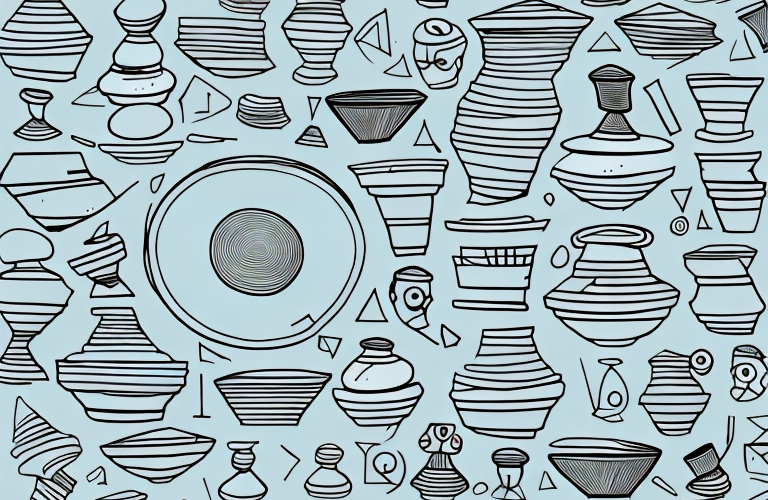
Ceramic dishware is a popular choice for serving food due to its durability, aesthetic appeal, and heat retention properties. However, when it comes to washing this type of dishware, many questions arise. One of the most common is whether ceramic dishware is dishwasher safe. In this article, we will provide a comprehensive guide to help you better understand ceramic dishware and its safety in the dishwasher.
Understanding the Basics of Ceramic Dishware
Ceramic dishware is made from clay that is fired in kilns at high temperatures to create a hard, durable, and non-porous surface. This process creates a glazed finish that gives the dishware its characteristic shine and makes it resistant to the absorption of liquids and stains. The glaze also makes the surface of the plates and bowls non-stick, making it easy to clean after use.
One of the benefits of ceramic dishware is that it is versatile and can be used for both casual and formal occasions. It comes in a variety of colors, patterns, and designs, making it easy to find a set that matches your personal style and the theme of your event. Additionally, ceramic dishware is microwave and dishwasher safe, making it convenient for everyday use.
Can All Ceramic Dishes Be Put in the Dishwasher?
Not all ceramic dishware is created equal, and some are not dishwasher safe. This is because some ceramics can be more porous and prone to crack or chip when exposed to high-temperature, high-pressure washing in a dishwasher. To determine if your ceramic dishware is dishwasher safe, you need to read the manufacturer’s instructions or check for a dishwasher-safe label on the bottom of the dish. It is essential to note that older, handcrafted, or delicate ceramic dishes may not be dishwasher safe and should be hand washed to avoid damage.
Additionally, some ceramic dishes may have decorative elements that are not dishwasher safe. For example, if a ceramic dish has gold or silver accents, it may not be safe to put in the dishwasher as the high heat and pressure can cause the metal to tarnish or peel off. In this case, it is best to hand wash the dish to preserve its decorative elements.
On the other hand, some ceramic dishes are specifically designed to be dishwasher safe and can withstand the high heat and pressure of a dishwasher cycle. These dishes are often made with a special glaze that makes them more durable and resistant to cracking or chipping. If you are unsure if your ceramic dishware is dishwasher safe, it is always best to err on the side of caution and hand wash it to avoid any potential damage.
The Pros and Cons of Washing Ceramic Dishware in a Dishwasher
There are some beneficial aspects of washing ceramic dishware in a dishwasher. Using a dishwasher instead of washing by hand saves time and uses less water, making it more environmentally friendly. Additionally, dishwashers use high-temperature settings that can effectively kill germs and bacteria that may reside on the surface of the dishware. However, not all dishwashers are created equal, and some older models may not have the required temperature or pressure to effectively clean ceramic dishware. Another disadvantage of washing ceramic dishware in a dishwasher is that it can cause chipping or damage over time, especially if the dishware is not dishwasher safe.
It is important to note that some types of ceramic dishware may not be suitable for washing in a dishwasher. For example, hand-painted or delicate ceramic pieces may be more prone to damage in a dishwasher due to the high-pressure water jets and harsh detergents. It is always best to check the manufacturer’s instructions or consult with a professional before washing any ceramic dishware in a dishwasher. Additionally, it is recommended to avoid overcrowding the dishwasher and to use a gentle cycle to minimize the risk of damage to the dishware.
How to Determine if Your Ceramic Dishes are Dishwasher Safe
As mentioned earlier, the best way to determine if your ceramic dishware is dishwasher safe is to check the manufacturer’s instructions or for a dishwasher-safe label on the bottom of the dish. If there is no label or instruction, you can test the dish for strength by submerging it in boiling water for a minute, followed by a cold water bath. If the dish remains intact, it is likely to be dishwasher safe.
However, it is important to note that even if a ceramic dish is labeled as dishwasher safe, it may still be prone to cracking or chipping over time due to the high heat and pressure of the dishwasher. To prolong the life of your ceramic dishware, it is recommended to hand wash them whenever possible.
Additionally, certain types of ceramic dishes, such as those with metallic accents or hand-painted designs, may not be suitable for dishwasher use as the high heat and harsh detergents can cause the design to fade or peel. In these cases, it is best to hand wash the dishes with a gentle soap and avoid soaking them for extended periods of time.
Common Mistakes to Avoid While Washing Ceramic Dishware in a Dishwasher
One of the most common mistakes made while washing ceramic dishware in the dishwasher is stacking the plates and bowls too close together or overloading the dishwasher. This can cause the dishes to rub against each other, resulting in chipping or cracking. Additionally, using high-temperature settings, harsh detergents, and abrasive sponges can also cause damage to ceramic dishware.
Another mistake to avoid is leaving food residue on the dishes before placing them in the dishwasher. This can cause the food to bake onto the dishware during the wash cycle, making it difficult to remove and potentially causing damage to the ceramic. It’s important to scrape off any excess food and rinse the dishes before loading them into the dishwasher.
The Effects of High-Temperature Settings on Ceramic Dishware
High-temperature settings in dishwashers can be beneficial in killing germs and bacteria but can cause problems with some ceramic dishware. In some instances, high temperatures can cause the dish to expand in the washer or become unstable due to changes in temperature, resulting in cracks or chips. It is essential to check the manufacturer’s instructions or for a dishwasher-safe label to know the proper settings to use when washing your ceramic dishware.
Another factor to consider when washing ceramic dishware is the type of glaze used. Some glazes may not be able to withstand high temperatures and can become damaged or discolored. It is important to research the type of glaze used on your dishware and adjust the dishwasher settings accordingly.
In addition, it is recommended to avoid stacking ceramic dishes too closely together in the dishwasher. This can cause them to rub against each other, resulting in scratches or chips. It is best to space them out evenly and use a dishwasher rack designed for dishes to prevent any damage.
The Best Practices for Cleaning and Maintaining Your Ceramic Dishes
Proper cleaning and maintenance can help extend the life of your ceramic dishware. It is recommended to avoid using harsh detergents or abrasive sponges when cleaning your ceramic dishware to prevent damage to the glaze or surface. It is also helpful to rinse the dishware promptly after use to prevent stubborn stains from setting in. Dry the dishware thoroughly after washing to prevent moisture build-up, which could lead to bacterial growth or damage over time. Lastly, avoid stacking dishes too close together while storing them as this can cause chipping or cracking due to the pressure created when the weight of the dishware is on top of one another.
Alternatives to Using a Dishwasher for Your Ceramic Dishes
If you prefer not to use a dishwasher for your ceramic dishware, there are several alternatives that you can try, including hand washing with gentle detergents, air-drying, or using a soft cloth or sponge. Hand washing your dishes allows you to monitor their condition and avoid damages such as chipping or cracking, that could occur in a dishwasher. Additionally, it is advisable to separate delicate dishes from more robust ones when washing by hand to avoid damages from pressure or impact between each other.
How to Extend the Life of Your Ceramic Dishes
One of the best ways to extend the life of your ceramic dishware is by following the manufacturer’s instructions on cleaning, use, and storage. Using gentle detergents, avoiding harsh chemicals or abrasive sponges, and proper handling will ensure that your dishware remains in good condition for longer. Additionally, storing your dishware in a well-ventilated and dry place can help prevent moisture or bacterial growth, preventing damage from occurring over time.
A Guide to Choosing the Right Detergent for Your Ceramic Dishware
Choosing the right detergent for your ceramic dishware is essential to maintain the glaze and overall condition of the dishware. It is best to choose gentle detergents that are free of bleach, corrosive agents, or harsh acids that could cause damage or discoloration. Alternatively, you could opt for natural cleaning agents such as baking soda or vinegar that are both effective and safe for use on ceramic dishware.
Expert Tips for Ensuring Your Ceramic Dishes Remain Safe and Intact in the Dishwasher
Experts recommend that you load your dishware carefully, with enough space between each dish to prevent rubbing or friction. It’s also essential to rinse your dishes under running water before placing them in the dishwasher and to avoid overloading the dishwasher with dishes. Avoid using high-temperature settings or harsh detergents that could cause damage to the glaze or surface.
What to Do if Your Ceramic Dishware Gets Damaged in the Dishwasher
If your ceramic dishware gets damaged in the dishwasher, remove it immediately and inspect the damage. Discard the dish if the damage is severe or if it’s chipped or cracked, as this could cause injury or pose a risk when used. For minor damages, such as scratches, you could use ceramic repair kits available in most hardware stores to fix the dishware. It is essential to follow the instructions on the product label carefully.
Conclusion: How to Get the Best Results When Washing Your Ceramic Dishware in a Dishwasher
In conclusion, washing ceramic dishware in a dishwasher can be a convenient and effortless way to clean your dishes. However, to avoid damage or chipping, it is essential to follow the manufacturer’s instructions, use gentle detergents, and avoid high-temperature settings. If you prefer not to use a dishwasher, hand washing your dishes with gentle detergents and soft sponges is an excellent alternative that extends the life of your dishes. By following these best practices and expert tips, you can enjoy your ceramic dishware for longer and maintain it in the best condition possible.