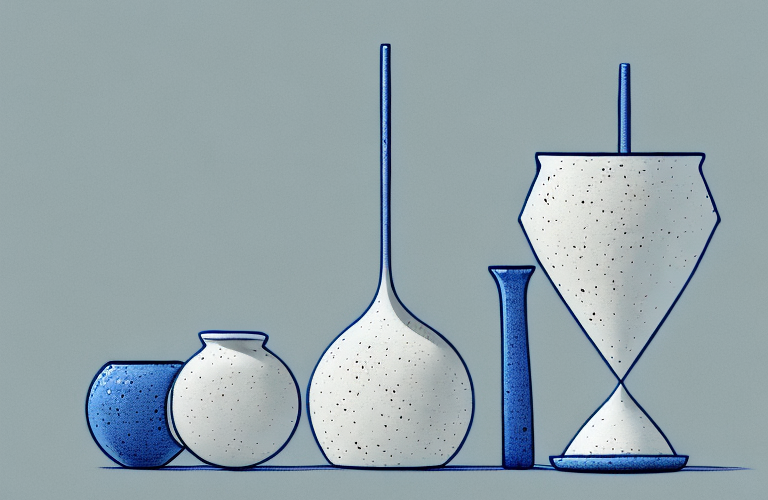
When discussing objects made from clay, the terms “pottery” and “ceramics” are often used interchangeably. However, there are important differences between the two crafts.
Why the Terminology Matters: Understanding Pottery and Ceramics
Pottery and ceramics are both crafts that involve molding and shaping clay, but the end products are different. Pottery is typically used to create functional objects like vessels for cooking, storage, and decoration, while ceramics are used to make decorative objects like statues and figurines. Understanding the difference between the two terms can help you appreciate the nuances of each craft and better identify the end products.
It’s important to note that the firing process also differs between pottery and ceramics. Pottery is typically fired at a lower temperature and is often left unglazed or only partially glazed, while ceramics are fired at a higher temperature and are fully glazed. This difference in firing temperature and glazing techniques can affect the final appearance and durability of the object. Additionally, pottery has a long history in many cultures and has been used for practical purposes for thousands of years, while ceramics have been primarily used for decorative purposes and have a shorter history. Understanding these distinctions can deepen your appreciation for the artistry and cultural significance of both pottery and ceramics.
The Historical Roots of Pottery and Ceramics
The process of working with clay dates back thousands of years, and both pottery and ceramics have played important roles in human history. The earliest pottery objects were made by hand, with the clay shaped into simple vessels that were then fired in a kiln. Ceramics were also made at this time, but were typically more decorative in nature and used in religious ceremonies or as works of art.
As civilizations developed, so did the techniques used to create pottery and ceramics. In ancient Greece, for example, potters began using a potter’s wheel to create more intricate designs and shapes. In China, porcelain was developed during the Tang Dynasty, which became highly prized and exported to other countries.
Today, pottery and ceramics continue to be important art forms and industries. Many artists use clay as a medium to create sculptures and functional objects, while industries use ceramics to create everything from tiles and dishes to electronic components and aerospace materials. The history of pottery and ceramics is a testament to the creativity and ingenuity of human beings throughout the ages.
The Key Differences Between Pottery and Ceramics
While pottery and ceramics use similar materials and techniques, the key difference between the two is in their intended use. Pottery is typically fired at a lower temperature and is meant to be functional, while ceramics are fired at a higher temperature and are intended to be decorative. Additionally, pottery is usually left unglazed or coated with a simple glaze, while ceramics are often decorated with intricate designs and colorful glazes.
Another important difference between pottery and ceramics is their historical significance. Pottery has been used for practical purposes for thousands of years, dating back to ancient civilizations such as the Greeks and Romans. Ceramics, on the other hand, have been used primarily for decorative purposes and have a more recent history, emerging during the Renaissance period in Europe. While both pottery and ceramics have played important roles in human history, their uses and cultural significance differ greatly.
How Different Clays Affect the Outcome of Pottery and Ceramics
The type of clay used in pottery and ceramics can greatly affect the end result. Porcelain, for example, is a type of clay that is often used in ceramics because of its thin, delicate quality. Stoneware is a type of clay that is often used in pottery because of its durability and strength.
Another type of clay that is commonly used in pottery is earthenware. This type of clay is known for its reddish-brown color and is often used for decorative pieces. It is not as strong as stoneware, but it is easier to work with and can be fired at a lower temperature.
The color of the clay can also affect the outcome of the pottery or ceramics. White clay, for example, can give a more refined and elegant look to the finished product, while red clay can give a more rustic and earthy feel. Some potters even mix different types of clay to achieve a specific color or texture.
The Techniques Used in Pottery and Ceramics
The techniques used in pottery and ceramics are similar, but there are some key differences as well. Pottery is often made using a potter’s wheel, but can also be made by hand. Ceramics, on the other hand, are typically made using a variety of techniques, including hand molding, slumping, and slabbing.
In addition to these techniques, both pottery and ceramics can also be decorated using various methods such as glazing, painting, and carving. Glazing involves applying a layer of liquid glass to the surface of the piece, which is then fired in a kiln to create a smooth, glossy finish. Painting can be done using a variety of materials, including underglazes, overglazes, and oxides. Carving is a technique where the surface of the piece is etched or cut to create a design or texture.
The Role of Firing in Pottery and Ceramics
Firing is an essential part of the pottery and ceramics process. It involves heating the clay to a high temperature in a kiln, which causes the clay to harden and become more durable. Pottery is typically fired at a lower temperature than ceramics, which results in a more porous finished product that can absorb liquid. Ceramics, on the other hand, are typically fired at a higher temperature, resulting in a finished product that is hard and non-porous.
There are different types of firing techniques used in pottery and ceramics, including oxidation firing and reduction firing. Oxidation firing involves firing the clay in an oxygen-rich environment, which results in bright and vibrant colors. Reduction firing, on the other hand, involves firing the clay in a low-oxygen environment, which can result in more muted and earthy tones.
The firing process can also affect the texture of the finished product. For example, a slow cooling process can result in a glossy finish, while a fast cooling process can result in a matte finish. Additionally, the firing process can cause the clay to shrink, which can result in cracking or warping if not done properly.
Exploring the Various Styles of Pottery and Ceramics
Both pottery and ceramics have a wide range of styles, including traditional, contemporary, and experimental art. Pottery can include functional objects like plates, bowls, and mugs, as well as decorative objects like vases and figurines. Ceramics, on the other hand, can include a variety of decorative objects like sculptures, figurines, and even jewelry.
Traditional pottery styles often reflect the cultural heritage of a particular region or country. For example, Japanese pottery is known for its delicate and intricate designs, while Mexican pottery is characterized by its bright colors and bold patterns. Contemporary pottery and ceramics, on the other hand, often incorporate modern techniques and materials, such as 3D printing and mixed media.
Experimental art in pottery and ceramics can push the boundaries of what is traditionally considered functional or decorative. Some artists create pieces that are meant to be displayed as art, rather than used in everyday life. Others experiment with unconventional materials, such as recycled materials or even food, to create unique and thought-provoking pieces.
Common Uses for Pottery and Ceramics
Both pottery and ceramics are used for a variety of purposes, from functional objects to decorative pieces. Pottery is commonly used in cooking, with many traditional recipes calling for pots and pans made from clay. Ceramics are often used as decorative objects in homes and gardens, and many people collect pieces as works of art. Both crafts are also used for educational purposes, with many schools and art centers offering classes and workshops on pottery and ceramics.
In addition to their common uses, pottery and ceramics have also been used for religious and spiritual purposes throughout history. Many ancient cultures created pottery and ceramic objects for use in religious ceremonies and rituals. In some traditions, pottery and ceramics are believed to have healing properties and are used in alternative medicine practices. Today, many people still use pottery and ceramics in their spiritual practices, such as creating personalized altar pieces or using ceramic bowls for smudging rituals.
The Future of Pottery and Ceramics: Trends to Watch Out For
The world of pottery and ceramics is constantly evolving, with new trends and techniques emerging all the time. One area of growth is in the use of new materials, such as 3D printing and digital tools, to create innovative and unique pieces. Another trend is in the fusion of traditional techniques with contemporary design, resulting in objects that are both functional and visually stunning. As the world becomes more environmentally conscious, there is also a growing interest in sustainable pottery and ceramics practices, such as using locally sourced clay and developing more efficient kiln firing techniques.
Overall, while pottery and ceramics share many similarities, their differences make each craft unique and worthy of exploration. Whether you’re interested in functional pottery or decorative ceramics, there is a wide range of styles and techniques to explore. With new trends emerging all the time, the future of these crafts is bright and full of exciting possibilities.
One exciting trend in the world of pottery and ceramics is the use of technology to enhance the creative process. For example, some artists are using virtual reality to design and visualize their pieces before they even touch clay. Others are using software to create intricate patterns and designs that would be difficult to achieve by hand. This integration of technology not only allows for more precise and complex designs, but also opens up new possibilities for collaboration and experimentation.