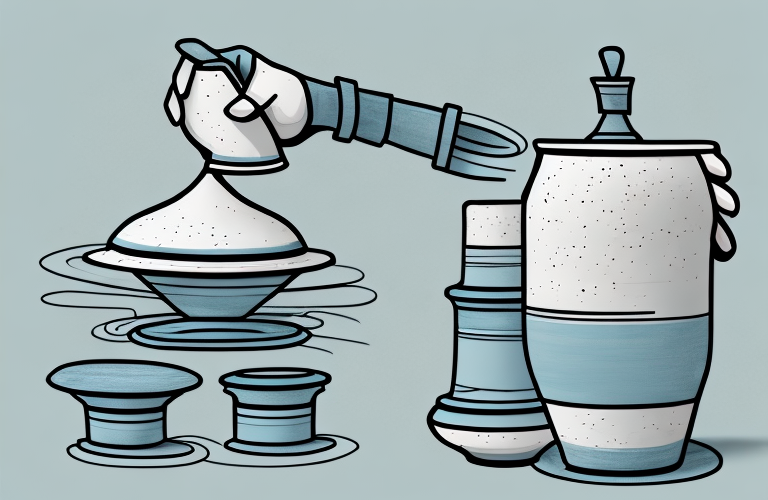


Bisque ware ceramics is a type of pottery that is commonly used for decorative, functional, and artistic purposes. It refers to unglazed, fired, and often porous pottery that has not yet been decorated or painted. Bisque ware ceramics is typically made from earthenware, stoneware, or porcelain clay that has been fired at a high temperature to create a durable, hard, and strong piece of pottery.
The History of Bisque Ware Ceramics: From Ancient Times to Modern Day
The use of pottery for functional and decorative purposes dates back to ancient times. Bisque ware ceramics has been used as a medium for artistic expression and decoration for centuries. In ancient China, bisque ware ceramics were used for burial purposes, whereas in ancient Greece, they were used mainly for storage and cooking. Bisque ware ceramics also gained popularity during the Renaissance period when artists began to use ceramics as a medium for sculpture and painting.
Today, bisque ware ceramics are popular across the world as they offer a balance between functionality and aesthetic value. They come in a variety of shapes, sizes, styles, and colours, making them versatile and adaptable to different decorative and functional needs.
Bisque ware ceramics are made by firing unglazed pottery at a high temperature, which results in a hard, durable, and porous material. This porous nature of bisque ware ceramics makes them ideal for painting and glazing, as the porous surface allows the glaze to adhere better and create a smooth, glossy finish. Bisque ware ceramics are also popular among hobbyists and artists who enjoy painting and decorating them with intricate designs and patterns.
The Different Types of Bisque Ware Ceramics: Earthenware, Stoneware, and Porcelain
Bisque ware ceramics is typically categorized into three types: earthenware, stoneware, and porcelain. Earthenware is made from clay that is rich in iron and fired at a low temperature, resulting in a reddish-orange colour. Stoneware is made from a type of clay that is fired at a high temperature, resulting in a grey or brown colour. Porcelain is made from a type of pure, fine clay that is translucent and white in colour.
Each type of bisque ware ceramic has its own unique properties and uses. Earthenware is often used for decorative pieces and tableware due to its porous nature, which allows it to absorb liquids and retain heat. Stoneware is known for its durability and is often used for baking dishes and dinnerware. Porcelain, on the other hand, is highly valued for its delicate and refined appearance, making it a popular choice for fine china and decorative objects.
The Making of Bisque Ware Ceramics: Techniques and Processes
The process of making bisque ware ceramics involves several steps, including throwing, shaping, drying, and firing. The artist first creates the basic shape of the pottery using a potters’ wheel or other shaping tools. Once the desired shape is achieved, the pottery is left to dry and harden before being fired in a kiln at a high temperature.
After being fired, the pottery is then referred to as bisque ware, which can be left unglazed or decorated using various techniques like painting and glazing. Different techniques can be used to create unique and intricate designs, including carving, painting, and decoupage.
One of the most important aspects of making bisque ware ceramics is the selection of the right type of clay. Different types of clay have different properties, such as plasticity, porosity, and color, which can affect the final product. Some artists prefer to use local clay, while others may import clay from other regions or countries.
Another important factor in the making of bisque ware ceramics is the firing process. The temperature and duration of the firing can affect the strength, color, and texture of the pottery. Some artists may use multiple firings to achieve the desired effect, while others may experiment with different firing techniques, such as reduction firing or salt firing.
How to Choose the Right Clay for Bisque Ware Ceramics: Tips and Tricks
The choice of clay used in making bisque ware ceramics plays a crucial role in determining the final product’s quality, durability, and strength. When choosing clay, specific factors like type, texture, and plasticity must be considered. Porcelain clay, for instance, is ideal for creating delicate and thin pieces due to its high plasticity and fine texture.
Another important factor to consider when choosing clay for bisque ware ceramics is the firing temperature. Different types of clay have different firing temperatures, and it is essential to choose a clay that can withstand the temperature required for the desired finish. For instance, earthenware clay is fired at a lower temperature than stoneware clay, making it ideal for creating decorative pieces that do not require high durability.
It is also important to consider the color of the clay when choosing the right one for bisque ware ceramics. Some clays have a natural color that can affect the final appearance of the piece. For instance, red clay can give a warm and earthy tone to the finished product, while white clay can give a clean and modern look. It is essential to choose a clay color that complements the intended design and style of the piece.
The Importance of Firing in Bisque Ware Ceramics: Temperature and Kiln Options
Firing is a critical aspect of the bisque ware ceramics process. The temperature of the kiln and the duration of firing can affect the final product’s quality and durability. The firing process involves heating the pottery to a high temperature until it hardens and fuses. Different kiln options exist, and the choice of kiln for firing depends on the type of bisque ware ceramics being made and the desired final product.
One important factor to consider when firing bisque ware ceramics is the type of fuel used in the kiln. Traditional kilns use wood or coal as fuel, while modern kilns use electricity or gas. The type of fuel used can affect the temperature and atmosphere inside the kiln, which can impact the final product’s appearance and strength.
Another consideration when firing bisque ware ceramics is the cooling process. After the pottery has been heated to the desired temperature, it must be cooled slowly to prevent cracking or warping. This process, known as “cooling down,” can take several hours or even days, depending on the size and thickness of the pottery. Proper cooling is essential to ensure the final product’s durability and longevity.
Decorating Bisque Ware Ceramics: Glazing, Painting, and More
The bisque ware ceramics’ decorative process involves various techniques like glazing, painting, and carving. Glazes are used to give the bisque ware ceramics a glossy and smooth finish, and they come in various colours and textures. Painting and carving can be used to create unique and intricate designs on the bisque ware ceramics, giving them aesthetic value.
Another technique used in decorating bisque ware ceramics is called sgraffito. This involves scratching through a layer of glaze or paint to reveal the clay underneath, creating a contrasting design. Sgraffito can be used to create intricate patterns or simple designs, and can be done with various tools like needles, knives, or even toothpicks. This technique adds a unique texture and depth to the bisque ware ceramics, making them stand out even more.
Bisque Ware Ceramics in Art and Design: Famous Artists and Contemporary Trends
Many artists across the world use bisque ware ceramics as a medium for artistic expression, sculpture and painting. Famous artists like Pablo Picasso used bisque ware ceramics to create intricate and abstract designs in their paintings. Today, contemporary artists continue to innovate with bisque ware ceramics and create unique and modern designs.
Bisque ware ceramics are also popular in interior design, as they add a touch of elegance and sophistication to any space. They can be used as decorative pieces, such as vases, bowls, and figurines, or as functional items like plates and cups. Bisque ware ceramics are versatile and can be painted, glazed, or left in their natural state to showcase their raw beauty.
Collecting Bisque Ware Ceramics: Tips for Beginners and Experienced Collectors
Collecting bisque ware ceramics is a popular hobby for many, and it can be an enjoyable and rewarding experience. Beginners and experienced collectors alike can benefit from identifying quality pieces, learning about their history, and keeping them in excellent condition. Keeping an eye out for rare and unusual pieces and knowing their value can also help when building a collection.
One important aspect of collecting bisque ware ceramics is understanding the different types of bisque. There are two main types: unglazed bisque and glazed bisque. Unglazed bisque has a matte finish and is often used for decorative figurines and dolls. Glazed bisque, on the other hand, has a shiny finish and is commonly used for functional items like plates and bowls. Knowing the difference between these types can help collectors make informed decisions when adding to their collection.
Common Mistakes to Avoid When Working with Bisque Ware Ceramics
When working with bisque ware ceramics, it is essential to avoid common mistakes that can impact the quality of the final product. Common mistakes include not properly cleaning and preparing the clay, not checking for air pockets before firing, and using the wrong type of tools or techniques.
Another common mistake to avoid when working with bisque ware ceramics is not allowing enough time for the clay to dry before firing. If the clay is not completely dry, it can cause cracking or even explode during firing. It is important to let the clay dry slowly and evenly, and to avoid exposing it to direct sunlight or heat sources that can cause it to dry too quickly.
How to Care for Your Bisque Ware Ceramics Collection: Cleaning and Storage Tips
To keep your bisque ware ceramics collection in excellent condition, it is essential to clean and store them properly. Cleaning should be done using mild soap and water, and a soft cloth should be used to wipe them dry. Storage should be in a cool, dry place and away from direct sunlight to prevent cracking or fading.
The Future of Bisque Ware Ceramics: Sustainability, Innovation, and New Trends
The future of bisque ware ceramics looks bright, with a growing focus on sustainability and innovation in the industry. Many artists and manufacturers are exploring new ways to create sustainable products using eco-friendly materials and minimizing carbon footprints. The introduction of new technology and techniques in the design and firing process are also contributing to the growth and innovation of the bisque ware ceramics industry.