When it comes to microwaving pottery, there are many misconceptions and questions. Can you microwave pottery? Will it crack or explode? Is there a difference between microwave safe pottery and non-microwave safe pottery? In this comprehensive guide, we will explore all aspects of microwaving pottery, from the properties of pottery to the effects of high heat on pottery, and how to choose the right pottery for microwaving.
Understanding Pottery and Its Properties
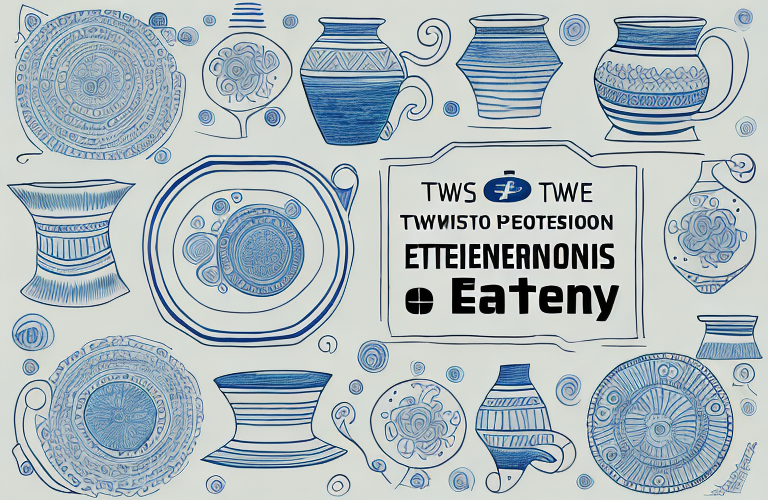
Pottery is made from a combination of natural ingredients, such as clay and water, and is then fired at high temperatures to create a durable and long-lasting material. Pottery can be glazed or unglazed, and the glaze can be decorative or functional to provide a protective barrier to the pottery. Porcelain, stoneware, and earthenware are the most commonly used types of pottery.
One of the unique properties of pottery is its ability to hold liquids without leaking. This is due to the porous nature of the clay, which allows it to absorb water and create a seal. However, this also means that pottery should be properly cleaned and dried to prevent bacteria growth.
Pottery has been used for thousands of years for both functional and decorative purposes. In many cultures, pottery is an important part of their history and traditions. Today, pottery is still widely used for creating dishes, vases, and other decorative items. Many artists also use pottery as a medium for their creative expression, using techniques such as hand-building and wheel-throwing to create unique and beautiful pieces.
The Science of Microwaving Pottery
Microwaves are a form of electromagnetic radiation that excites the molecules in food and causes them to heat up. When pottery is microwaved, the microwaves cause the water molecules in the pottery to heat up, creating steam. The steam can cause the pottery to crack or explode if the pottery is not designed to withstand high temperatures.
However, some types of pottery are specifically designed to be microwaved. These types of pottery are made with materials that can withstand high temperatures and are glazed with a special coating that prevents the absorption of moisture. This coating also helps to distribute the heat evenly throughout the pottery, preventing hot spots that can cause cracking or exploding.
It is important to note that even with microwave-safe pottery, it is still recommended to use caution when microwaving. Always follow the manufacturer’s instructions and avoid microwaving for extended periods of time. Additionally, it is best to avoid microwaving pottery that is heavily decorated or has metallic accents, as these can cause sparking and damage to the microwave.
Common Misconceptions about Microwaving Pottery
There are many misconceptions about microwaving pottery, including the belief that microwaving pottery is always unsafe. While it is true that some types of pottery are not microwave safe, many types of pottery are designed specifically to be microwave safe.
Another common misconception is that microwaving pottery can cause it to release harmful chemicals into your food. However, this is not necessarily true. The safety of microwaving pottery depends on the type of glaze used on the pottery. If the glaze contains lead or other harmful chemicals, then microwaving the pottery can cause these chemicals to leach into your food. It is important to always check the label or manufacturer’s instructions to ensure that the pottery is safe for use in the microwave.
How to Determine if Your Pottery is Microwave Safe
The best way to determine if your pottery is microwave safe is to check for a label that says “microwave safe” or “oven safe.” If the pottery does not have a label, you can perform a simple test by microwaving a small amount of water in the pottery for 30 seconds to see if the pottery gets hot. If the pottery gets hot, it is not microwave safe and should not be used to heat up food in the microwave.
It is important to note that even if your pottery is labeled as microwave safe, it is still recommended to use caution when heating up food in it. Some pottery may become hot to the touch or may not heat up food evenly in the microwave. It is always a good idea to use a microwave-safe cover or lid to prevent any splatters or spills, and to avoid using pottery with metallic accents or decorations in the microwave.
Tips for Safely Microwaving Pottery
If you have microwave safe pottery, there are several tips you can follow to ensure that the pottery is heated up safely. First, avoid microwaving pottery that is hot or cold, as rapid temperature changes can cause the pottery to crack. Additionally, always use oven mitts or a towel to handle hot pottery, as the pottery can become very hot when microwaved.
Another important tip is to avoid microwaving pottery that has metallic accents or decorations, as these can cause sparks and damage to the microwave. It is also recommended to use a microwave-safe plate or dish underneath the pottery to catch any drips or spills. Finally, always follow the manufacturer’s instructions for microwaving the pottery, including recommended heating times and power levels.
The Effects of High Heat on Pottery
If pottery is exposed to high heat for an extended period of time, it can cause the pottery to weaken and become more susceptible to cracking or breaking. Additionally, if the pottery is not glazed, it can absorb moisture and become discolored or develop mold.
Furthermore, high heat can also cause the clay to vitrify, which means it becomes so hard and dense that it is difficult to work with. This can make it challenging for potters to shape and mold the clay into their desired forms, and may result in the need for additional firing cycles to achieve the desired results.
Another potential effect of high heat on pottery is the development of crazing. Crazing occurs when the glaze on the pottery develops small cracks or fissures, which can be caused by rapid changes in temperature. While crazing does not necessarily affect the structural integrity of the pottery, it can impact its aesthetic appeal and make it less desirable to collectors or buyers.
What Happens When You Microwave Non-Microwave Safe Pottery?
When pottery that is not microwave safe is microwaved, the rapid temperature changes can cause the pottery to crack or explode. Additionally, the pottery can release harmful chemicals into the food, making it unsafe to consume.
It is important to always check the label or manufacturer’s instructions before microwaving any type of pottery. Some pottery may be labeled as “microwave safe” but may still have limitations, such as not being able to withstand high temperatures or prolonged exposure to the microwave. It is also recommended to use microwave-safe dishes made of glass or ceramic to ensure the safety of your food and avoid any potential hazards.
Alternatives to Microwaving Pottery
If you do not have microwave safe pottery, there are several alternatives you can use to heat up your food. Glass, ceramic, and plastic containers that are labeled “microwave safe” can be used to heat up food in the microwave, as well as paper towels, wax paper, and parchment paper.
Another alternative to microwaving pottery is to use a microwave-safe cover or lid. These covers are designed to prevent splatters and spills in the microwave, and they can also help to distribute heat evenly throughout your food. You can find microwave-safe covers at most kitchen supply stores or online.
If you prefer not to use the microwave at all, there are other ways to heat up your food. You can use a stovetop, oven, or toaster oven to warm up your meals. Just be sure to use the appropriate cookware for each method, and follow the manufacturer’s instructions for best results.
Cleaning and Maintaining Microwave Safe Pottery
To clean microwave safe pottery, wash the pottery in warm soapy water and rinse with hot water. Avoid using abrasive cleaners or scrubbers, as they can scratch the surface of the pottery. Additionally, avoid exposing the pottery to extreme temperatures, as rapid temperature changes can cause the pottery to crack or weaken.
It is also important to note that some microwave safe pottery may become discolored or stained over time. To prevent this, avoid using the pottery to cook or reheat foods that are high in acidity or contain strong dyes. If discoloration does occur, try soaking the pottery in a mixture of baking soda and water before washing it as usual.
Finally, when storing microwave safe pottery, make sure to stack it carefully to avoid any chips or cracks. It is also a good idea to place a layer of paper towels or cloth between each piece to prevent them from rubbing against each other and causing damage.
Best Practices for Using Pottery in the Microwave
When using microwave safe pottery, it is important to follow best practices to ensure that the pottery is heated up safely. Always use oven mitts or a towel to handle hot pottery, and avoid microwaving pottery that is hot or cold. Additionally, avoid hitting the pottery against hard surfaces, as it can cause the pottery to crack or break.
It is also important to note that not all pottery is microwave safe. Always check the manufacturer’s instructions before microwaving pottery. Some pottery may contain metallic elements or glazes that can cause sparks or uneven heating in the microwave. If in doubt, it is best to err on the side of caution and avoid microwaving the pottery altogether.
Choosing the Right Pottery for Microwaving
When choosing pottery for microwaving, it is important to look for pottery that is labeled “microwave safe” or “oven safe.” Additionally, glazed pottery is typically more durable and resistant to cracking than unglazed pottery. Porcelain and stoneware are also more durable than earthenware, which can be porous and absorb moisture.
How to Test Your Microwave’s Power Level for Optimal Results with Pottery
To test your microwave’s power level, you can use a microwave safe thermometer to measure the temperature of water heated in the microwave for 30 seconds. If the temperature of the water is between 165 and 175 degrees Fahrenheit, your microwave is operating at the correct power level.
Overall, microwaving pottery can be safe and convenient, as long as you choose the right type of pottery and follow best practices for heating up your food. By understanding the properties of pottery and the effects of high heat on pottery, you can enjoy the benefits of microwaving your food without the risk of damaging your pottery.