
Pottery is one of the oldest forms of art, and has been used for both practical and decorative purposes for thousands of years. One of the key techniques used in pottery is glazing. Glazing involves applying a layer of liquid glass or enamel to a pottery piece, which is then fired at high temperatures to create a smooth, durable surface. In this article, we will explore the different glazing techniques used in pottery, including the science behind glazes, the different types of glazes available, and tips for choosing and applying the right glaze for your piece.
A Brief Introduction to Pottery Glazing
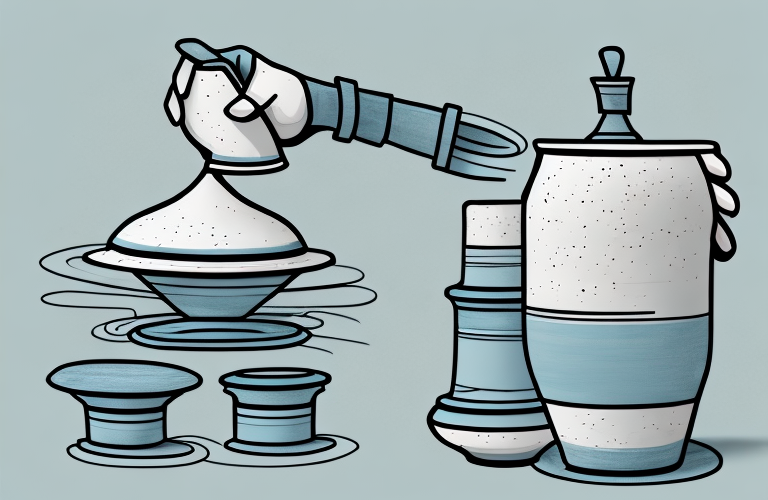
Glazing is a vital process in pottery because it not only enhances the beauty of the piece, but also makes it functional by making it water-resistant, easy to clean, and resistant to wear and tear. Glazes are often made from a combination of minerals and chemicals that are mixed with water to create a liquid mixture. This mixture is then applied to the surface of the pottery piece, either by dipping it into the glaze or by brushing the glaze on using a brush. Once the glaze is applied, the piece is fired in a kiln at high temperatures, usually between 1200-1300 degrees Celsius, causing the glaze to melt and fuse to the surface of the pottery.
There are many different types of glazes that can be used in pottery, each with its own unique properties and effects. Some glazes are opaque, while others are translucent or transparent. Some glazes have a matte finish, while others have a glossy or shiny finish. Additionally, some glazes are designed to create specific effects, such as crackling or crazing, which can add to the visual interest of the piece. Choosing the right glaze for a particular piece of pottery requires careful consideration of the desired effect, as well as the properties of the glaze itself.
The Role of Glazing in Pottery
Glazing serves many purposes in pottery. It not only protects the piece from moisture and damage, but also adds an extra layer of beauty and texture to the surface. Different glazes can create different effects, such as glossy or matte finishes, textured or smooth surfaces, and even different colors. Glazing can also be used to create detailed designs, patterns or images on the surface of the pottery piece.
Another important role of glazing in pottery is to enhance the functionality of the piece. For example, glazes can make pottery pieces more resistant to heat, making them suitable for use in ovens or microwaves. Glazes can also make pottery pieces more resistant to staining, making them ideal for use as serving dishes or plates.
Furthermore, glazing can also affect the overall feel of the pottery piece. Some glazes can create a rough or gritty texture, while others can create a smooth and silky feel. This can greatly impact the user’s experience when handling the piece, and can even affect the sound the piece makes when tapped or struck.
The History of Pottery Glazing Techniques
Glazing has been used in pottery for over 4000 years. The ancient Egyptians were one of the first cultures to use glazes in pottery, and they used a combination of plant ash, ground quartz, and lime to create a green glaze that was applied to their pottery pieces. The Romans also used glazes, and they often used lead glazes to create a glossy finish on their pottery pieces. In the Middle Ages, potters in China developed new glazing techniques, such as the use of celadon glazes, which produced beautiful, translucent blues and greens. Today, pottery glazing techniques have evolved, and potters can choose from a wide range of glaze options and application methods.
One of the most popular modern glazing techniques is called “raku.” This technique originated in Japan in the 16th century and involves removing pottery from the kiln while it is still red-hot and placing it in a container filled with combustible materials, such as sawdust or newspaper. The heat from the pottery ignites the materials, creating a reduction atmosphere that affects the glaze and produces unique, unpredictable patterns and colors. Raku pottery is highly prized by collectors and is often used for decorative purposes.
Understanding the Science Behind Pottery Glazes
Glazes are created from a combination of minerals and chemicals, which are mixed together in specific ratios to produce a glaze with certain properties. Some of the key materials used in glazes include clay, feldspar, quartz, and metal oxides. These materials are heated to high temperatures in a kiln to produce a fused glass-like surface on the pottery piece. The chemical and physical properties of the materials used in the glaze affect the way the glaze looks and behaves, and can produce a wide range of colors, textures, and finishes.
The process of creating a glaze involves careful calculation and experimentation to achieve the desired results. Glaze recipes can be adjusted by changing the ratios of materials or by adding new materials to the mix. The firing temperature and duration can also affect the final outcome of the glaze. Some potters even use multiple layers of glaze to create complex and unique effects on their pottery pieces.
Understanding the science behind pottery glazes is essential for potters who want to create high-quality and visually appealing pieces. By experimenting with different materials and firing techniques, potters can create glazes that are truly one-of-a-kind and that showcase their artistic vision and skill.
The Different Types of Pottery Glazes
There are many types of glazes available for pottery, including transparent, opaque, matte, glossy, textured, and colored glazes. Transparent glazes allow the natural color of the clay to show through, while opaque glazes hide the color of the clay underneath. Matte glazes create a non-reflective, dull finish, while glossy glazes create a shiny, reflective finish. Textured glazes create a rough or raised surface on the pottery piece, while colored glazes can be used to add vibrancy and depth to the surface.
Pros and Cons of Different Pottery Glazing Techniques
Each type of glaze has its own pros and cons. Transparent glazes are great for showing the natural beauty of the clay, but they may not be suitable for pieces where you want a lot of color or texture. Opaque glazes, on the other hand, can be used to completely change the color and appearance of the piece, but they may hide the unique features of the clay body. Matte glazes may be popular for their understated look, but they are more prone to scratches than glossy glazes. Glossy glazes, while beautiful and durable, can sometimes make the surface of the pottery too slippery to hold on to.
Choosing the Right Glaze for Your Pottery Piece
When choosing a glaze for your pottery piece, it’s important to consider the desired outcome of your piece. Are you looking for a certain color, texture or finish? Do you want your piece to be functional or decorative? Once you’ve identified your goals, you can then select a glaze that suits your needs. You should also consider the physical properties of the clay you’re working with, as well as the firing temperature of the kiln you’re using.
Applying a Base Coat to Your Pottery Piece
Before applying the glaze to your pottery piece, you should first apply a base coat. A base coat is a layer of glaze that helps the topcoat adhere to the clay and prevents the clay from absorbing too much of the topcoat glaze. The base coat can be any color, but it’s usually a light color that will not interfere with the final glaze color. The base coat is applied to the pottery piece in the same way as the topcoat glaze, either by dipping or brushing.
Techniques for Applying Different Layers of Glaze
There are many techniques available for applying multiple layers of glaze to your pottery piece. Layering glazes can give your piece a unique and complex look, with different colors and textures appearing in different areas of the piece. Some common layering techniques include layering the glazes over each other, applying a glaze wash over a base coat, or using tape to create a border between glaze layers.
Firing Your Pottery Piece after Applying the Glaze
After applying the glaze to your pottery piece, it must be fired in a kiln to fuse the glaze to the surface of the piece. The firing process usually takes between 6-12 hours and can vary depending on the type of glaze, the thickness of the glazes, and the size of the piece. It’s important to follow the firing instructions carefully to ensure that your piece doesn’t crack or break during the firing process. Once the piece has been fired, it can be removed from the kiln and allowed to cool.
Common Mistakes to Avoid When Using Different Pottery Glazes
Using glazes can be a complex process, and there are many common mistakes that people make when working with them. Some of the most common mistakes include applying too much or too little glaze, not properly cleaning the pottery piece prior to glazing, and not properly mixing the glaze ingredients. It’s important to take your time and carefully follow the instructions for each step of the glazing process to avoid these mistakes.
Tips for Achieving Different Effects with Various Types of Glazes
There are many tips and techniques you can use to achieve different effects with various types of glazes. For example, adding texture to the surface of the piece using slips or underglazes can create a unique and interesting effect when the glaze is applied. Alternatively, layering different types of glaze together can create a rich and complex surface with varying depths of color and texture.
Maintenance and Care Tips for Your Glazed Pottery Pieces
After firing and cooling your glazed pottery piece, it’s important to take care of it properly to ensure that it lasts a long time. Glazed pottery pieces can be washed by hand using warm water and dish soap. Avoid using abrasive cleaners or scrubbers, as these can scratch or damage the glaze. Additionally, keep your glazed pottery pieces away from extreme heat or cold, as rapid temperature changes can cause the piece to crack or break.
Conclusion: Experimenting with New Techniques and Materials
Glazing is an exciting and rewarding part of pottery-making that allows you to add an extra layer of beauty and functionality to your pieces. By experimenting with different types of glazes, layering techniques, and application methods, you can create pottery pieces that are truly unique and one-of-a-kind. So go ahead and try out new techniques and materials, and see what amazing pieces you can create!