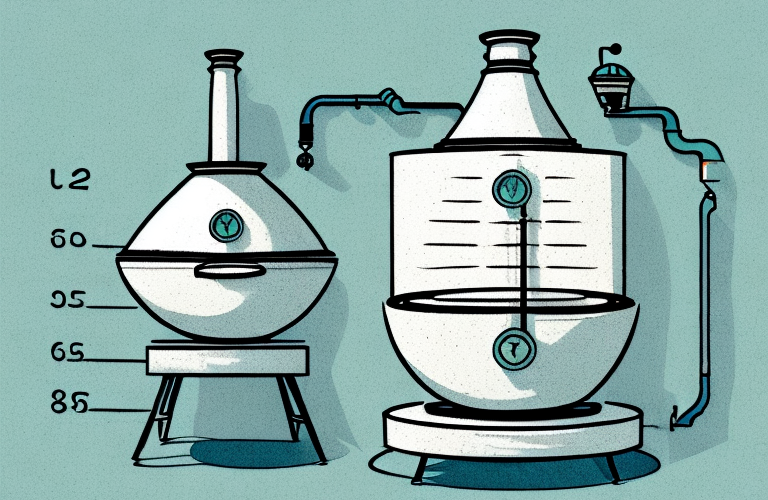
Bisque firing is an essential process in ceramics, which involves firing the raw clay in a kiln to a specific temperature to allow it to harden partially but remain porous, and this is done before the glazing process. Achieving the perfect bisque firing temperature requires careful temperature control, which involves understanding the basics of bisque firing, monitoring the temperature accurately, and taking into account various factors that affect the firing temperature.
Understanding the Basics of Bisque Firing
Bisque firing involves firing raw clay at a temperature range of about 1700-1900 degrees Fahrenheit. This temperature range hardens the clay but leaves it porous, which allows it to absorb glaze during the glazing process. Bisque firing is usually done in two stages: the initial firing to drive out the moisture and organic matter from the clay, and the final firing to harden the clay further.
It is important to note that the temperature range for bisque firing may vary depending on the type of clay being used. For example, earthenware clay is typically bisque fired at a lower temperature range of about 1650-1800 degrees Fahrenheit, while porcelain clay may require a higher temperature range of about 2000-2300 degrees Fahrenheit. It is important to follow the manufacturer’s instructions for the specific type of clay being used to ensure a successful bisque firing.
The Importance of Proper Temperature Control in Bisque Firing
Temperature control is a critical aspect of bisque firing. If the temperature is too low, the clay will not harden adequately, while a temperature that is too high can cause the clay to fuse and harden completely, making it impossible to apply glaze. Proper temperature control enables you to achieve the desired bisque firing temperature, which is essential for obtaining consistent results in your ceramics works.
One of the key factors in achieving proper temperature control is the use of a reliable kiln. Kilns come in different sizes and types, and it is important to choose one that is appropriate for your specific needs. Additionally, it is important to regularly maintain and calibrate your kiln to ensure that it is functioning properly and providing accurate temperature readings.
Another important consideration in bisque firing is the type of clay being used. Different types of clay have different firing temperatures and requirements, and it is important to understand these differences in order to achieve the desired results. Some clays may require a slower firing process, while others may require a faster firing process to achieve the desired hardness and strength.
Factors Affecting Bisque Firing Temperatures
The firing temperature for bisque varies depending on various factors, such as the type of clay or glaze used, the thickness of the object being fired, and the firing duration. Another factor that affects the temperature range is the kiln type or its condition. If your kiln is old or defective, its temperature readings may be inaccurate, which can affect your bisque firing temperature results.
Additionally, the humidity and altitude of your firing location can also impact the bisque firing temperature. High humidity can cause the clay to retain more moisture, which can affect the firing process and require a higher temperature. Similarly, if you live at a high altitude, the air pressure can affect the temperature inside the kiln, requiring adjustments to the firing temperature.
It is also important to note that different types of clay and glazes have different ideal bisque firing temperatures. For example, earthenware clay typically requires a lower firing temperature than stoneware clay. Similarly, different glazes may require different firing temperatures to achieve the desired effect. It is important to research and follow the recommended firing temperature for your specific clay and glaze combination.
Tips for Determining the Perfect Bisque Firing Temperature for Your Kiln
The best way to determine the ideal bisque firing temperature for your kiln is to experiment by firing a few small test pieces of clay. Vary the temperature range and duration to see which range produces the best results. You can also consult the clay or glaze manufacturer for recommended firing temperatures.
It’s important to note that the type of clay you are using can also affect the bisque firing temperature. For example, some types of porcelain may require a higher firing temperature than earthenware. Additionally, the thickness of your clay pieces can also impact the firing temperature. Thicker pieces may require a longer firing time or higher temperature to fully bisque fire. Keep these factors in mind when experimenting with firing temperatures to achieve the best results for your specific clay and pieces.
Common Mistakes to Avoid When Bisque Firing
Mistakes made during bisque firing can ruin your ceramics works. The most common mistakes to avoid include overloading the kiln, allowing the kiln to heat too quickly, firing too quickly, failing to ventilate during firing, and using the wrong firing temperature range.
Another common mistake to avoid during bisque firing is failing to properly clean your ceramics before firing. Any dust, dirt, or debris left on the surface of your ceramics can cause imperfections or even explosions during firing. It is important to thoroughly clean your ceramics before placing them in the kiln.
Additionally, it is important to pay attention to the placement of your ceramics in the kiln. Placing ceramics too close together can cause them to fuse together during firing, while placing them too far apart can cause uneven firing. It is important to carefully consider the placement of your ceramics in the kiln to ensure even firing and prevent any mishaps.
Achieving Consistent Results with Bisque Firing Temperature
If you want to achieve consistent results with your ceramics works, you need to ensure that you fire your clay at a consistent temperature range during bisque firing. This may require investing in a kiln that has accurate temperature control or monitoring tools to regulate the temperature range more efficiently.
Another important factor to consider when achieving consistent results with bisque firing temperature is the type of clay you are using. Different types of clay have different firing temperature ranges, and it is important to know the specific range for the clay you are using to achieve the desired results.
Additionally, the thickness of your clay pieces can also affect the bisque firing temperature. Thicker pieces may require a longer firing time or a higher temperature to ensure that they are fully bisque fired. It is important to experiment with different firing schedules to find the optimal temperature and time for your specific clay and piece thickness.
How to Adjust Your Kiln Settings to Get the Perfect Bisque Firing Temperature
If you’re not getting the desired results with your bisque firing temperature, you may need to adjust the kiln settings. This involves adjusting the temperature, duration, or ventilation to get the desired temperature range. Make small adjustments and measure the results to avoid overfiring or underfiring your clay.
One important factor to consider when adjusting your kiln settings is the type of clay you’re using. Different types of clay have different firing requirements, so it’s important to research the specific needs of your clay before making any adjustments to your kiln settings.
Another factor to consider is the size and thickness of your clay pieces. Larger or thicker pieces may require a longer firing time or higher temperature to fully bisque fire, while smaller or thinner pieces may require less time or a lower temperature to avoid overfiring.
The Role of Pyrometric Cones in Monitoring Bisque Firing Temperature
Pyrometric cones are essential tools that measure temperature and demonstrate it visually by indicating when the required temperature range is reached. These small porcelain cones are placed next to the clay pieces in the kiln and are designed to deform at a specific temperature to indicate if the temperature range has been achieved.
It is important to note that different types of clay require different firing temperatures, and therefore, different types of pyrometric cones. For example, low-fire clay requires a lower temperature range than high-fire clay. Using the wrong type of cone can result in under or over-firing, which can lead to cracks or other defects in the finished piece. Therefore, it is crucial to choose the appropriate pyrometric cone for the type of clay being fired.
Troubleshooting Your Bisque Firing Temperature Issues
If you’re experiencing bisque firing temperature issues, such as underfired or overfired clay, you need to troubleshoot the problem. Check your kiln, thermocouple, and firing system for issues that may affect your temperature readings or results. Experiment with different firing cycles and temperature ranges to see which works best for you.
Another factor to consider when troubleshooting bisque firing temperature issues is the type of clay you’re using. Different types of clay have different firing requirements, so make sure you’re using the correct firing schedule for your specific clay body. Additionally, the thickness of your pieces can also affect the firing temperature. Thicker pieces may require a longer firing time or higher temperature to fully vitrify.
If you’ve checked all of these factors and are still experiencing issues, it may be time to consult with a professional or experienced ceramicist. They may be able to offer additional insights or solutions to your firing problems. Don’t be afraid to ask for help or advice, as firing ceramics can be a complex and nuanced process.
How to Experiment with Different Bisque Firing Temperatures for Unique Effects
If you want to create unique effects on your ceramics works, you can experiment with different bisque firing temperature ranges. For instance, firing at a lower temperature can produce a more porous and rough texture, while firing at a higher temperature can create a smoother, harder finish.
Best Practices for Maintaining Kiln and Thermocouple Accuracy during Bisque Firing
To ensure that your kiln and thermocouple remain accurate during bisque firing, you need to maintain them well. This involves proper cleaning, regular calibration, and replacement of damaged or worn-out parts. Also, ensure that your kiln and thermocouple are kept away from moisture and corrosive materials that may affect their functioning.
Comparing Results of Different Bisque Firing Temperatures on Various Clay Bodies and Glazes
Not all clays and glazes are the same, and different variations of each produce varying results when bisque fired. Comparing the results of different bisque firing temperatures on various clay bodies and glazes can help you decide which temperature range to use for future works.
In conclusion, achieving the perfect bisque firing temperature takes practice and careful experimentation. With the right kiln, tools, and techniques, you can achieve consistent, high-quality results that will enhance your ceramics works’ beauty and durability.