Glazeware clay is a type of clay that has been coated with a layer of glaze to achieve specific properties and decorative effects. In essence, it is a clay body that has been treated with a glaze, a liquid mixture of minerals that is applied to the surface of the pottery before firing. The glaze fuses to the clay during firing, creating a smooth, non-porous surface that is both durable and decorative.
The History of Glazeware Clay
The use of glazed ceramics can be traced back to ancient Egypt, where glazes were first used on clay vessels and figurines around 4000 BC. The use of glazeware clay then spread to ancient Greece and Rome, where it was used to create intricate and colorful pottery pieces. By the Middle Ages, glaze technology had advanced significantly, and glazed tiles, dishes, and plates were commonly produced in Europe.
In the modern era, glazeware clay has become increasingly popular due to the wide range of decorative effects that can be achieved. Today, glazed ceramics are used in a variety of applications, including tableware, sculpture, and architectural elements.
One of the most significant advancements in glazeware clay technology occurred during the Renaissance period. Italian potters developed a technique called maiolica, which involved applying a tin-based glaze to pottery before firing it. This technique allowed for intricate designs and vibrant colors to be achieved, making maiolica pottery highly sought after by collectors and art enthusiasts.
Another important development in glazeware clay occurred in the 20th century, with the emergence of studio pottery. This movement emphasized the individual artist’s creativity and expression, and many studio potters experimented with glazes to create unique and innovative pieces. Today, studio pottery remains a popular form of artistic expression, and glazeware clay continues to be an essential component of this art form.
How Glazeware Clay is Made
The process of making glazeware clay begins with the selection of the appropriate clay body, which can be either earthenware, stoneware, or porcelain. The clay is then formed into the desired shape using various techniques such as throwing, handbuilding, or casting. Once the piece is dry, the glaze is applied using a brush or spray gun.
Glazes are made from a mixture of minerals, such as silica, feldspar, and kaolin, which are combined with water to form a liquid slurry. This mixture may also include colorants and other additives depending on the desired effect. Once applied, the glaze is fired in a kiln at temperatures ranging from 1000 to 1300 degrees Celsius, depending on the type of clay and glaze being used.
After the first firing, the piece is inspected for any defects or imperfections. If necessary, it may be sanded or refired to achieve the desired finish. Once the piece has passed inspection, it is ready for the final firing, which will fuse the glaze to the clay body and give it its characteristic shine and durability.
Glazeware clay is a popular choice for pottery and ceramics because of its versatility and durability. It can be used to create a wide range of objects, from decorative vases and bowls to functional dinnerware and tiles. With the right techniques and materials, glazeware clay can be transformed into beautiful and long-lasting works of art.
The Different Types of Glazeware Clay
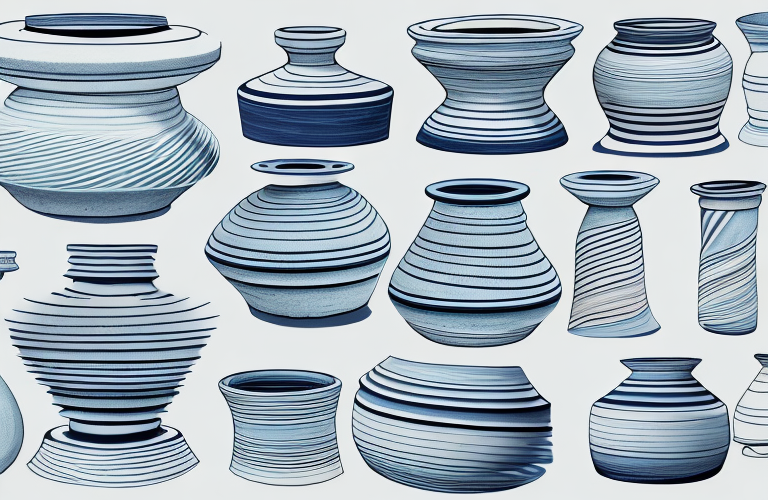
Glazeware clay comes in many different types, each with its unique properties and characteristics. Earthenware glazeware clay is a low-fired clay that is porous and easily breakable. It is commonly used for decorative pieces and tableware. Stoneware glazeware clay is a strong, high-fired clay that is durable and commonly used for functional pieces such as plates and bowls. Porcelain glazeware clay is the most refined and high-fired of all the clays, resulting in translucent and delicate pieces.
In addition to these three main types of glazeware clay, there are also specialty clays that are used for specific purposes. For example, terra cotta clay is a type of earthenware clay that is often used for outdoor pottery due to its ability to withstand extreme temperatures. Raku clay is a type of clay that is specifically designed for the raku firing technique, which produces unique and unpredictable results. Additionally, some potters may choose to mix different types of clay together to create their own unique blend with specific properties.
Advantages and Disadvantages of Using Glazeware Clay
One of the primary advantages of using glazeware clay is that it produces a smooth, non-porous surface that is food-safe and easy to clean. Glazed ceramics are also more durable and resistant to chipping and cracking than unglazed clay. However, glazes can be expensive and time-consuming to apply, and the firing process can be difficult to master.
Another disadvantage of using glazeware clay is that the glaze can sometimes obscure the natural beauty of the clay body. Additionally, some glazes contain toxic materials that can be harmful to the environment and to the health of the potter. It is important to carefully research and choose non-toxic glazes and to properly dispose of any hazardous materials.
Techniques for Working with Glazeware Clay
Working with glazeware clay requires a variety of techniques to achieve the desired results. Some of the techniques commonly used include layering glazes, using wax resist to create patterns, and experimenting with different firing temperatures to achieve specific effects. Glazing techniques are often combined with other decorative techniques such as carving or painting to create unique pieces of art.
Another important technique for working with glazeware clay is called “crawling.” Crawling occurs when the glaze pulls away from the clay body during firing, leaving exposed areas of clay. This effect can be intentional or accidental, and can create interesting textures and patterns on the surface of the piece. To achieve crawling, the glaze must be applied thickly and allowed to dry completely before firing. Firing at a high temperature can also increase the likelihood of crawling.
Tips for Firing and Finishing Glazeware Clay Pieces
Achieving a successful glaze firing requires careful attention to the firing schedule, including the heating and cooling rates and the peak temperature. It is also essential to ensure that the glaze is applied evenly and that the piece is free from any surface imperfections that could cause the glaze to run or crack during firing. Finishing techniques such as sanding, polishing, or waxing can also be applied to enhance the texture and luster of the glaze surface.
Another important factor to consider when firing glazeware clay pieces is the type of kiln used. Electric kilns are commonly used for small-scale pottery production, while gas kilns are preferred for larger pieces or for achieving specific firing effects. It is important to choose the appropriate kiln for the size and type of piece being fired.
After firing, it is important to inspect the piece for any defects or imperfections that may have occurred during the firing process. Any cracks or chips can be repaired using glaze or clay, and the piece can be refired if necessary. Finally, proper storage and handling of the finished piece is essential to prevent damage or breakage.
Common Mistakes to Avoid When Working with Glazeware Clay
One of the most common mistakes when working with glazeware clay is not applying the glaze evenly. Uneven glaze application can result in blotchy or inconsistent coloration and can cause the glaze to run or pool during firing. Other mistakes to avoid include using glazes that are not compatible with the clay body, firing the piece at the incorrect temperature, or overloading the kiln, which can cause pieces to crack or break during firing.
Another mistake to avoid is not properly cleaning the clay before applying the glaze. Any dust or debris on the surface of the clay can cause the glaze to adhere unevenly or not at all. It’s important to wipe down the clay with a damp cloth or sponge before applying the glaze.
Additionally, not allowing enough time for the glaze to dry before firing can also lead to issues. If the glaze is still wet or tacky when placed in the kiln, it can cause bubbles or blisters to form on the surface of the piece. It’s important to follow the manufacturer’s instructions for drying time before firing.
Decorating Techniques for Glazeware Clay Pieces
There are many creative options when it comes to decorating glazeware clay pieces. Some popular techniques include sgraffito, or scratching designs into the glaze, using underglaze to create patterns, and applying decals or transfers. The use of contrast, color, and texture can also add depth and interest to the finished piece.
The Role of Glaze in Creating Unique Effects on Glazeware Clay Pieces
The role of glaze in creating unique effects on glazeware clay pieces cannot be overstated. Glazes can create an infinite variety of colors, textures, and patterns, and can be used to achieve specific functional or aesthetic effects. Glossy or satin finishes, crackling or crazing effects, and textured or matte surfaces can all be achieved by using different types of glazes.
Popular Projects that Utilize Glazeware Clay
There are many different projects that utilize glazeware clay, from functional tableware and decorative vases to whimsical figurines and sculptures. Some popular projects include creating sets of matching plates or bowls, designing personalized gifts such as mugs or plaques, or experimenting with sculptural forms such as animals or abstract shapes.
The Future Outlook for the Use of Glazeware Clay in Ceramics Industry
The future outlook for the use of glazeware clay in the ceramics industry is positive, as consumers continue to value handmade and artisanal products. The use of glazeware clay allows for a vast variety of designs and styles, and provides a durable and long-lasting product for the consumer. As such, glazeware clay remains an integral part of the ceramics industry.
Comparing Glazeware Clay with Other Types of Clays
Glazeware clay differs from other types of clays in several ways. It is more durable and resistant to chipping and cracking than earthenware clay, while also being more porous than porcelain. It typically requires higher firing temperatures than unglazed clay, making it more challenging to work with but resulting in a smoother surface. Compared to unglazed clay, glazeware clay also requires a more extensive range of materials and equipment to work with.
Environmental Impact of Using Glazeware Clay
Like all ceramics, the production of glazeware clay has an environmental impact due to the raw materials and energy required to produce it. However, the use of glazeware clay can reduce the amount of waste associated with disposable plates, cups, and containers. Additionally, many glazes are lead-free and non-toxic, reducing the risk of harm to both the environment and consumers.