Ceramics is a type of material that has been used for thousands of years. It is made from natural materials such as clay, sand, and water, and is hardened through a process called firing. One of the most important stages of creating ceramics is the leather hard stage. In this article, we will define and explain what leather hard ceramics are, their importance, how to achieve the perfect leather hardness, and much more.
The Process of Creating Leather Hard Ceramics
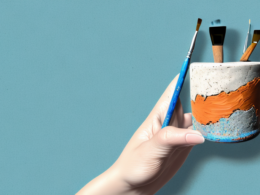
Leather hard ceramics are the second stage of ceramic production after the clay has been shaped and before it has been fired. After shaping, the clay is left to dry to a point where it is still slightly pliable. This is known as the leather hard stage. During this stage, the clay has lost most of its moisture but not all of it, making it strong enough to handle without distorting the shape. The clay has a leathery texture and can be carved and trimmed to achieve intricate details. Once the clay has reached the leather hard stage, it can be further refined through a process called burnishing, where a smooth surface is achieved by rubbing the surface with a tool or smooth stone.
After burnishing, the leather hard clay can be decorated with various techniques such as sgraffito, where a design is scratched into the surface, or slip trailing, where a slip mixture is applied to the surface in a decorative pattern. The clay can also be stamped or textured with various tools to create unique designs and patterns.
It is important to handle leather hard ceramics with care as they are still fragile and can crack or break easily. To prevent this, the clay can be wrapped in plastic or covered with a damp cloth to keep it from drying out too quickly. Once the clay has been decorated and refined to the desired level, it can be fired in a kiln to create a permanent, hardened ceramic piece.
The Importance of Leather Hard Stage in Ceramics
The leather hard stage is crucial in the ceramic-making process because it is the point where the piece can be refined and perfected. It is easier to carve and trim at this stage than at later stages, like the bone dry or bisque stages. If a piece is not properly refined at the leather hard stage, it could be harder to achieve the desired result in later stages. Proper refinement at this stage can also prevent cracking and warping during firing.
Another important aspect of the leather hard stage is that it allows for the addition of handles, spouts, and other attachments to the piece. These additions can be securely attached to the piece at this stage, ensuring that they will not fall off or break during later stages of the process.
Additionally, the leather hard stage is a good time to experiment with surface decoration techniques, such as carving, stamping, or painting. The surface of the piece is still slightly pliable, allowing for more intricate designs to be created. This stage is also a good time to add texture to the piece, as the surface is still receptive to tools and other materials.
The Difference Between Greenware and Leather Hard Ceramics
Greenware ceramics are pieces that are in their raw state and have not been fired at all. They are still extremely fragile and can easily distort or break. Leather hard ceramics, on the other hand, have passed the greenware stage and are sturdy enough to handle without breaking but still have enough moisture for slight adjustments. The difference between the two stages is the amount of moisture the clay has retained, with leather hard ceramics being drier than greenware ceramics.
Once the leather hard stage is complete, the ceramics are ready for the next step in the firing process. This involves placing the pieces in a kiln and heating them to a high temperature to remove all remaining moisture and harden the clay. After firing, the ceramics are no longer able to be adjusted or shaped, and any glazes or decorations can be added before a final firing to complete the piece.
How to Achieve the Perfect Leather Hardness in Ceramics
To achieve the perfect leather hardness in ceramics, it is essential to let the clay dry slowly and evenly. If the clay dries too quickly, it can crack and distort, making it harder to refine at the leather hard stage. Room temperature and humidity play a significant role in the drying process, and it is recommended to keep the drying piece away from direct sunlight and drafts. A good rule of thumb is to let the piece dry enough that it is slightly cool to the touch before refining it.
Another important factor to consider when achieving the perfect leather hardness in ceramics is the type of clay being used. Different types of clay have different drying rates and require different techniques to achieve the desired hardness. For example, porcelain clay dries much slower than earthenware clay, so it may require more time and attention during the drying process.
It is also important to note that the size and thickness of the piece can affect the drying time and the final hardness. Larger and thicker pieces will take longer to dry and may require additional support during the drying process to prevent warping or cracking. It is recommended to cover the piece with a plastic bag or wrap to slow down the drying process and prevent uneven drying.
The Properties of Leather Hard Ceramics
Leather hard ceramics have unique properties that make them suitable for different applications. One property is their durability. Because they are drier than greenware ceramics, they are sturdier and can withstand more manipulation. Another property is their ability to be carved and trimmed to achieve intricate details. This property makes them an ideal choice for creating objects with fine details, like handles or spouts on pots.
Additionally, leather hard ceramics have a lower risk of warping or cracking during the firing process compared to greenware ceramics. This is because the clay particles have already started to bond together, making them less susceptible to shrinkage and deformation. This property makes leather hard ceramics a popular choice for creating larger and more complex ceramic pieces, like sculptures or vases.
Techniques for Decorating Leather Hard Ceramics
Leather-hard ceramics can be decorated through various techniques, including carving, burnishing, and stamping. Carving is a technique where a tool is used to remove parts of the clay to create patterns or textures. Burnishing, as mentioned earlier, is a technique that creates a smooth surface by rubbing a tool or smooth stone over the surface. Stamping is a technique where a stamp is pressed onto the surface of the leather hard clay, leaving an impression.
Another technique for decorating leather-hard ceramics is sgraffito, which involves scratching through a layer of slip or underglaze to reveal the clay body underneath. This technique can create intricate designs and patterns. Additionally, mishima is a technique where a design is carved into the leather-hard clay and then filled with a contrasting colored slip. Once the slip dries, the surface is scraped away to reveal the design in the original clay color.
It is important to note that when decorating leather-hard ceramics, the clay should not be too dry or too wet. If the clay is too dry, it will crack and break when carved or stamped. If the clay is too wet, the decoration may smudge or distort. It is also important to consider the firing temperature and glaze compatibility when choosing decoration techniques, as some techniques may not survive the firing process or may react negatively with certain glazes.
Tips for Properly Storing and Handling Leather Hard Ceramics
Proper storage and handling are crucial in keeping leather hard ceramics from cracking or warping. Once a piece is leather hard, it should be stored in a plastic bag or covered in plastic to prevent it from drying out too much before firing. When handling the piece, care should be taken not to put any pressure on brittle areas, like thin walls or handles. It is also important to handle the piece gently and with clean hands to prevent any unwanted impressions on the surface.
Common Mistakes to Avoid When Working with Leather Hard Ceramics
A common mistake when working with leather hard ceramics is not allowing the piece to dry enough before refining it. It is important to let the piece dry thoroughly to avoid cracking or handling. Another mistake is applying too much pressure on the piece when refining it, which could distort the shape or cause it to crack. It is also essential to keep the workspace clean and free from debris that could stick to the surface of the leather hard clay.
The Role of Leather Hardness in the Firing Process of Ceramics
The leather-hard stage is an essential stage in the firing process of ceramics. If a piece is not dry enough before firing, it could crack or explode during the process. If a piece is too dry, it may not absorb enough water during the firing process, causing it to become brittle. Leather hard ceramics are the ideal stage for firing because they have the right amount of moisture to absorb water and become stronger without distortion.
Applications of Leather Hard Ceramics in Various Industries
Leather hard ceramics have various applications in different industries, including the production of kitchenware, tableware, and decorative items. Because of their unique properties, they are commonly used in creating pots, vases, bowls, and other items that require fine details. They are also a popular choice for creating tiles and other building materials.
Advantages and Disadvantages of Using Leather Hard Ceramics
The advantages of using leather hard ceramics include their ability to hold intricate details, durability, and their ability to withstand manipulation. The disadvantages of using leather hard ceramics are that they are more difficult to work with in later stages, compared to greenware ones. They also require careful handling during storage and transportation to prevent damage.
In conclusion, leather hard ceramics are an essential stage in the production of ceramics, offering a sweet spot that can be refined and decorated before firing. It is essential to handle them with care, allow them to dry slowly, and keep them away from anything that could damage them. But once they have been fired, they become a beautiful and durable addition to various industries.