
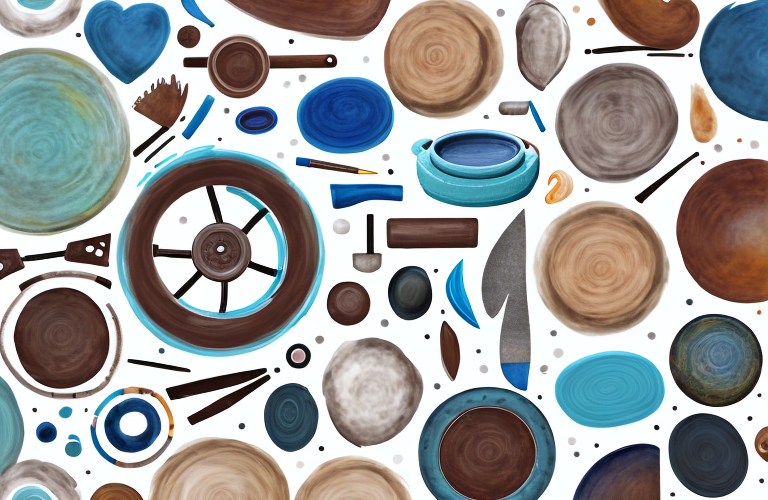
Pottery glazing is an essential component of the creation of ceramic art. Glazing adds a decorative and protective layer to the surface of pottery. The glazing process involves painting the surface of the pottery with a liquid glaze, which is a mixture of chemicals, minerals, and stains, and then firing the pottery in a kiln at a high temperature. In this comprehensive guide, we will explore everything you need to know about pottery glaze techniques and how to achieve the best possible results with your glazing endeavors.
Understanding the Basics of Pottery Glazing
Before you begin any glazing project, it is important to understand the basics of pottery glaze. Pottery glaze consists of a mixture of chemicals, minerals, and stains. The main components of pottery glaze are silica, alumina, and flux, which help in melting and fusing the glaze particles evenly on the surface of the pottery.
The basic chemistry behind pottery glaze is that it involves a reaction between the minerals in the glaze and the pottery during firing. The glaze will melt and fuse to the pottery during high-temperature firing, which results in a permanent and durable layer on the pottery surface.
Types of Pottery Glazes: A Detailed Overview
There are many different types of pottery glazes available, each with its unique features and characteristics. Here is a detailed overview of the most commonly used types of pottery glazes:
Clear Glaze:
A clear glaze is a transparent glaze that allows the natural color of the clay body to show through. It is often used to highlight the details of the pottery’s texture or design.
Opaque Glaze:
An opaque glaze is a non-transparent glaze that covers the surface of the pottery with an even coat of color. This type of glaze is often used for decorative pieces or to hide any imperfections in the clay body.
Celadon Glaze:
A celadon glaze is a type of transparent glaze that is known for its subtle, pale green color. This glaze is often used in traditional Asian ceramics to create a delicate and elegant effect.
Raku Glaze:
A raku glaze is a low-fire glaze that is often used to create a crackled effect on the surface of the pottery. This glaze is applied to the pottery while it is still hot from the kiln, and then the pottery is rapidly cooled, causing the glaze to crack and form unique patterns.
How to Choose the Right Pottery Glaze for Your Project
The choice of the right pottery glaze for your project will depend on many factors, including the type of clay body you are using, the desired finish, and the firing temperature of your kiln.
You should consider the color, texture, and durability of the glaze, as well as the effect you want to achieve with your finished piece. Some glazes are better suited for high fire pottery, while others are better suited for low fire pottery. It is important to choose a glaze that is compatible with the clay body and firing range you are working with.
Preparing Your Pottery Surface for Glazing
Before you begin applying any glaze to your pottery, the surface must be free from any debris or impurities. The surface should be smoothed and cleaned to ensure that the glaze will adhere evenly to the surface of the pottery.
You should also ensure that your pottery has been bisque-fired before applying any glaze. Bisque firing is the initial firing of the clay at a low temperature, which makes it more porous and ready to receive glaze.
Applying Pottery Glaze: Techniques and Tips
Applying pottery glaze requires attention to detail and finesse. Here are some techniques and tips to help you achieve the best possible results with your glazing:
Brushing:
Brushing is the most commonly used technique for applying glaze to the surface of the pottery. It involves using a brush to apply the glaze evenly to the pottery surface. You should use a soft, natural hair brush that is well-suited for glazing.
Dipping:
Dipping is the technique of submerging the pottery into a vat of glaze. This technique is ideal for large or symmetrical pieces that require an even coat of glaze.
Spraying:
Spraying is the technique of using a spray gun to apply glaze to the surface of the pottery. This method is ideal for achieving a thin and even coat of glaze, and it can be used to create unique textures and patterns.
Achieving Different Finishes with Pottery Glazes
With the right technique and application, pottery glaze can achieve a variety of finishes on the surface of the pottery. The finish of the glaze will depend on the type of glaze used, as well as the firing temperature and duration. Here are some common finishes achieved with pottery glaze:
Glossy:
A glossy finish is a smooth, shiny finish that is often achieved with high-fire clear glazes. This finish is ideal for highlighting the texture and detail of the pottery.
Satin:
A satin finish is a soft, matte finish that has a subtle sheen. This finish is often achieved with dolomite matte glazes or satin glazes.
Crystalline:
A crystalline finish is a unique finish that is created by adding special materials or chemicals to the glaze mixture. When fired to the right temperature, the glaze will form beautiful, crystalline patterns on the surface of the pottery.
Mixing and Experimenting with Pottery Glazes
One of the great joys of working with pottery glazes is the ability to mix and experiment with different colors, textures, and additives. Here are some tips for mixing and experimenting with pottery glazes:
Keep Notes:
It is essential to keep notes on your glaze recipes and experiments. Note down the type and amount of each ingredient, as well as the firing temperature and duration. This will help you recreate your favorite glazes, as well as avoid any mistakes in the future.
Try New Additives:
Adding new additives to your glaze recipes can create unique textures, finishes, and colors. Some popular additives to consider include oxides, stains, and frits.
Test Small:
Before applying any new glaze or additive to your pottery, it is essential to test the glaze on a small piece of clay. This will give you a better understanding of how the glaze will react to your clay body and kiln.
Troubleshooting Common Pottery Glazing Issues
Even experienced potters encounter issues with their glazing projects. Here are some common problems encountered with pottery glazing and how to troubleshoot them:
Crazing:
Crazing occurs when the glaze forms small cracks over the surface of the pottery. This issue is often caused by a mismatch between the glaze and the clay body or firing temperature. To avoid crazing, ensure that the glaze and clay body are compatible and that you are firing your pottery at the correct temperature.
Blisters:
Blisters occur when air pockets are trapped in the glaze during firing. This issue can be avoided by ensuring that your pottery is properly dried before firing, and by using a glaze with a low viscosity.
Peeling:
Peeling occurs when the glaze does not adhere properly to the surface of the pottery. This issue is often caused by an insufficiently cleaned surface or too thick of a glaze application. To avoid peeling, ensure that your pottery surface is clean and that you are applying the glaze thinly and evenly.
Firing Your Glazed Pottery: Best Practices and Considerations
Once your pottery has been glazed, it is time to fire it in the kiln. Here are some best practices and considerations to keep in mind when firing your glazed pottery:
Follow Firing Schedule:
It is important to follow the firing schedule recommended by the glaze manufacturer or the kiln manufacturer. Most glazes require a specific temperature and duration of firing to achieve optimal results.
Keep Your Kiln Clean:
Before firing your pottery, ensure that your kiln is clean and free of debris. Any debris or dust can cause unwanted effects on your pottery surface or your glaze results.
Consider Ventilation:
Proper ventilation is important when firing pottery. Ventilation ensures that any fumes or gases produced during firing are safely released from the kiln.
Creating Unique Effects with Multiple Layers of Glaze
Another popular technique for creating unique pottery glaze effects is to apply multiple layers of glaze. This can result in interesting textures, colors, and finishes. Here are some tips for layering your glaze:
Apply Thinly:
When layering glaze, it is important to apply each layer thinly and evenly. This will ensure that the glaze layers will not run or melt off during firing.
Experiment with Colors:
Layering different colors of glaze can create interesting and complex colors and textures. Try layering complementary or contrasting colors to achieve the desired effect.
Enhancing Your Pottery Design with Special Effects and Additives
Special effects and additives can be added to your glaze to create unique finishes or textures. Here are some popular special effects and additives to consider:
Lusters:
Lusters are a special metallic additive that can add a beautiful, shimmering finish to the surface of the pottery.
Crawling:
Crawling is an effect in which the glaze pulls away from certain areas of the pottery, creating a cracked or crawly effect. This can be achieved by applying a thick or heavy glaze to the surface of the pottery.
Understanding the Chemistry Behind Pottery Glaze Materials
It is important to understand the chemistry behind pottery glaze materials, as this can impact the final result of your glazing project. Here are some common minerals and chemicals used in pottery glaze and their effects:
Silica:
Silica helps to form a glass-like substance during firing and is essential in most pottery glazes.
Alumina:
Alumina helps to stiffen the glaze and resist scratching or chipping.
Flux:
Flux helps to lower the melting point of the glaze and allows for a better fusion between the glaze and the pottery.
Sustainable and Eco-Friendly Options for Pottery Glazing
As society becomes increasingly conscious of environmental concerns, many potters are seeking sustainable and eco-friendly options for pottery glazing. Here are some eco-friendly options to consider:
Natural Dyes:
Natural dyes, such as madder root or indigo, can be used to create natural and sustainable colors on pottery.
Recycled Materials:
Recycled materials, such as glass or crushed ceramics, can be added to glazes to create unique textures and finishes.
Pottery Glaze Inspiration: Examples from Expert Artists
Finally, if you need inspiration for your next pottery glazing project, look no further than expert artists in the field. Many artists specialize in unique and innovative glazing techniques that can inspire your own work. Look for pottery exhibits or shows in your area, or explore online resources for glazing inspiration.
Conclusion
Creating beautiful and unique pottery is a rewarding and fulfilling process. Whether you are an experienced potter or just starting, our comprehensive guide to pottery glaze techniques should equip you with the knowledge and skills to achieve the best possible results with your glazing projects. Remember to experiment with different glazes and techniques, take detailed notes, and have fun!