Slip trailing is a pottery decoration technique that involves the use of slip, a liquid mixture of clay and water, to create intricate patterns on the surface of pottery or ceramics. If you’re interested in learning how to create beautiful slip trailing patterns, this article will guide you step by step through the process.
Understanding the Basics of Slip Trailing: Definitions, Materials, and Techniques
To create slip trailing patterns, you’ll need slip, tools for applying the slip, and pottery or ceramics to decorate. Slip can be made using a variety of clays, such as earthenware, stoneware, or porcelain. It’s important to choose the right type of slip for your project to ensure that it adheres well to the pottery surface.Once you have your slip, you’ll need tools for applying it. The most common tool for slip trailing is a slip trailer, which is a small bottle with a narrow spout that allows you to control the flow of slip. Other tools that can be used for slip trailing include brushes, squeeze bottles, and syringes.
In addition to the tools and materials needed for slip trailing, it’s important to consider the technique used to create the patterns. One popular technique is to draw the slip onto the pottery surface using the slip trailer or other tool, creating intricate designs and patterns. Another technique is to apply the slip in a more free-form manner, allowing it to flow and drip naturally to create unique and organic patterns. Experimenting with different techniques can lead to a wide range of beautiful and creative slip trailing designs.
The Importance of Choosing the Right Slip for Your Project
Choosing the right type of slip for your project is crucial to achieving the desired result. Earthenware slip is often used for slip trailing because it dries quickly and can be easily carved or etched after drying. Stoneware slip, on the other hand, is more durable and is better suited for functional pottery.Porcelain slip is the most difficult type of slip to work with but yields the most refined and delicate results. It’s important to experiment with different clays and slips to find the one that works best for your specific project.
In addition to the type of slip, the consistency of the slip also plays a significant role in the outcome of your project. A thinner slip will produce a more delicate and translucent finish, while a thicker slip will result in a more opaque and textured surface. It’s important to adjust the consistency of your slip to achieve the desired effect.Another factor to consider when choosing a slip is the firing temperature of your kiln. Different types of slips have different firing temperatures, and firing at the wrong temperature can result in cracks or other defects in your pottery. Make sure to research the firing temperature of your chosen slip and adjust your kiln accordingly to ensure the best results.
Step-by-Step Guide to Creating a Slip Trailing Pattern on Pottery or Ceramics
1. Start by preparing your slip. The consistency of the slip should be thick enough to hold its shape when applied but not so thick that it can’t flow out of the applicator.2. Choose the tool you want to use for applying the slip. If you’re using a slip trailer, fill it with slip and make sure the tip is clean and free of any obstructions.3. Begin applying the slip to your pottery surface. Start with simple patterns and shapes, and gradually work your way up to more complex designs.4. Be sure to work quickly, as slip dries quickly and can become difficult to work with if it dries too much.5. Once you’ve completed your pattern, let it dry completely before firing the pottery.
6. Experiment with different slip colors to create unique and vibrant designs. You can mix your own slip colors or purchase pre-made colors from a pottery supply store.7. Don’t be afraid to make mistakes! Slip trailing is a technique that requires practice and patience. If you make a mistake, simply wipe away the slip and start again. With time and practice, you’ll be able to create beautiful and intricate slip trailing patterns on your pottery.
Tips for Achieving Precision and Consistency in Your Patterns
To achieve precision and consistency in your slip trailing patterns, it’s important to practice and experiment. Take the time to master your tool of choice, and experiment with different types of slips and clay.It’s also important to maintain a steady hand when applying the slip and to be patient when working with more complex designs. If necessary, use a ruler or other measuring tools to ensure that your patterns are even and symmetrical.
In addition to these tips, it’s also helpful to pay attention to the consistency of your slip. If it’s too thick, it may be difficult to apply smoothly, while if it’s too thin, it may not hold its shape well. Experiment with different ratios of slip to water to find the consistency that works best for your particular project.Another important factor to consider is the drying time of your slip. If you’re working on a larger piece or a more intricate design, it may be necessary to work in sections to prevent the slip from drying out before you’re finished. You can also use a spray bottle to mist the surface of your work periodically to keep the slip moist and workable. By paying attention to these details and taking the time to practice and experiment, you can achieve beautiful, precise slip trailing patterns every time.
Adding Color to Your Slip Trailing Designs: Dyeing and Staining Techniques
To add color to your slip trailing designs, you can dye or stain the slip before applying it to the pottery surface. There are a variety of dyes and stains available, including oxides, underglazes, and glazes.Experiment with different colors and application methods to achieve the desired result. Bear in mind that some colors may appear different after firing, so be sure to test your colors on a small piece of clay first.
Additionally, it’s important to consider the type of clay you are using when choosing your colors. Some clays may react differently to certain dyes and stains, resulting in unexpected color variations. It’s also important to note that the thickness of your slip application can affect the intensity of the color. Thicker applications may result in a more vibrant color, while thinner applications may appear more muted. Take the time to experiment with different techniques and materials to find the perfect color combination for your slip trailing designs.
Different Types of Slip Trailing Patterns to Try: From Geometric Shapes to Organic Forms
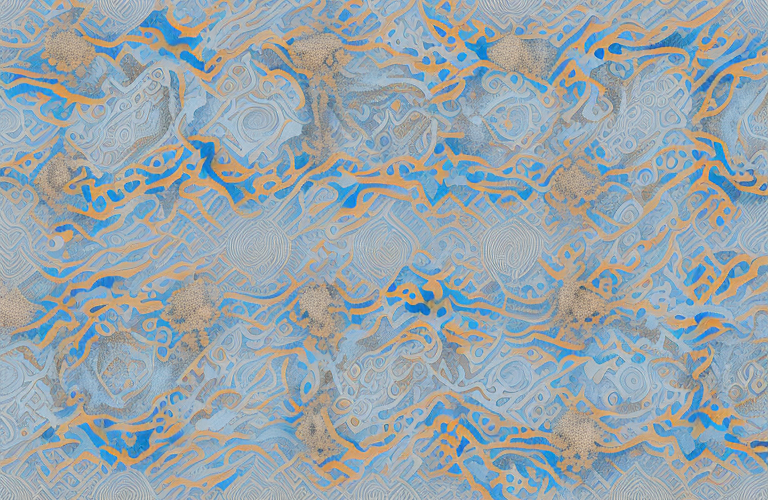
Slip trailing patterns can take on many different forms and styles, from geometric shapes and lines to more organic, flowing forms. Some popular patterns include chevrons, dots, spirals, and floral motifs.Experiment with different patterns and styles to find the ones that resonate with you the most. Don’t be afraid to take risks and explore new designs.
In addition to experimenting with different slip trailing patterns, you can also try varying the thickness and consistency of your slip. Thicker slip will create bolder lines and shapes, while thinner slip will produce more delicate and intricate designs. You can also mix different colors of slip to create unique and eye-catching patterns. Remember to have fun and let your creativity flow when exploring the world of slip trailing.
How to Incorporate Slip Trailing into Your Pottery Business: Marketing and Selling Tips
If you’re interested in incorporating slip trailing into your pottery business, there are a few key marketing and selling tips to keep in mind. First, be sure to showcase your slip trailing skills on your website and social media channels to attract potential customers.You can also consider offering slip trailing workshops and classes to customers who want to learn the technique themselves. And when selling your work, be sure to highlight the unique and intricate slip trailing patterns that make your pieces stand out.
In addition to these tips, it’s important to consider the pricing of your slip trailing pieces. Since slip trailing is a time-consuming and intricate technique, it’s important to price your pieces accordingly. You may also want to consider offering limited edition or one-of-a-kind slip trailing pieces at a higher price point to appeal to collectors.Another way to market your slip trailing pottery is to collaborate with other artists or businesses. For example, you could partner with a local florist to create slip trailing vases for their floral arrangements, or work with a restaurant to create custom slip trailing plates for their dishes. These collaborations not only showcase your slip trailing skills to a wider audience, but also provide opportunities for cross-promotion and increased sales.
Common Mistakes to Avoid When Creating Slip Trailing Patterns, and How to Fix Them
Some common mistakes to avoid when creating slip trailing patterns include:- Applying slip that is too thin or too thick- Working too slowly, causing the slip to dry out- Being too heavy-handed with the applicator, causing uneven application- Firing the pottery with slip still wet or under-dried, causing cracking or blisteringTo fix these issues, be sure to practice patience and precision when applying your slip. Don’t be afraid to experiment with different consistencies or to practice on small pieces of clay before moving on to larger projects.
Additionally, it is important to pay attention to the humidity and temperature of your workspace. If the air is too dry, the slip may dry out too quickly, leading to cracking or flaking. On the other hand, if the air is too humid, the slip may take longer to dry, which can cause the design to blur or smudge. To avoid these issues, consider using a humidifier or dehumidifier to regulate the moisture levels in your workspace.
Inspiration Gallery: Amazing Examples of Slip Trailing Artworks by Contemporary Artists
Here are a few examples of slip trailing artworks created by contemporary artists:- “Succulent Planter” by Mariko Paterson- “Crystal Burst” by Leah Leitson- “Teapot with Stripes” by Jens TrögerThese pieces showcase the diversity and creativity of slip trailing as a decorative technique. Use them as inspiration for your own slip trailing projects and to spark your creativity.
Slip trailing is a pottery technique that involves applying slip, a liquid clay mixture, onto the surface of a ceramic piece using a narrow-tipped tool. This technique has been used for centuries to create intricate designs and patterns on pottery. Today, contemporary artists continue to push the boundaries of slip trailing, experimenting with new materials and techniques to create stunning works of art. Whether you’re a seasoned potter or just starting out, slip trailing is a technique worth exploring for its endless possibilities and beautiful results.