
If you’re a home crafter who enjoys working with pottery and other forms of clay, then investing in a kiln is a great way to take your craft to the next level. A kiln works by firing up your clay creations at high temperatures, allowing them to become solid, hardened and durable. Understanding how to use a kiln can be tricky, but with some basic knowledge, you can create endless possibilities with your crafts. In this article, we’ll cover all you need to know about using a kiln for home crafting projects, including a brief on what a kiln is, types available, essential equipment, different types of clay, preparation techniques, loading, firing, temperature control, safety, inspiration and some recommended top brands and models. Let’s get started!
What is a Kiln and How Does it Work?
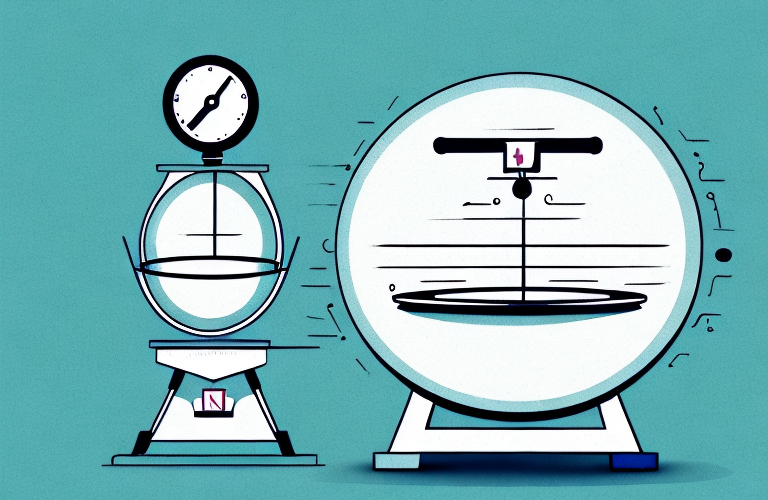
A kiln is an insulated oven or furnace that is used for firing clay, ceramics, glass, and other materials to create solid, hardened results. It is commonly used by potters, sculptors, ceramic artists, and craftspeople. Kilns come with various sizes, shapes and heat sources with electric and gas-fired kilns being the most popular types of systems used for home crafting projects. While heat is applied, the minerals within the clay begin to melt and bond together as they cure, resulting in a hardened substance. Different temperatures and firing schedules can be used to achieve various effects and finishes, from partial melting (Bisque firing), to completed melting (Glaze firing).
Aside from pottery and ceramics, kilns are also used in the production of glass. Glass kilns are designed to heat glass to a temperature where it becomes molten and can be shaped or fused together. The process of heating and cooling the glass in a kiln is called annealing, which helps to prevent cracking or breaking.
There are also specialized kilns used for specific purposes, such as jewelry making or metal clay firing. These kilns are designed to reach specific temperatures and have features that cater to the needs of the particular craft. For example, a jewelry kiln may have a programmable controller that allows for precise temperature control and timing, while a metal clay kiln may have a ventilation system to remove fumes and prevent oxidation.
Types of Kilns Available for Home Crafting Projects
When selecting a kiln for home crafting projects, there are various types to choose from. One of the most common types is the electric kiln, which is easy to use and maintain. Electric kilns come with automated temperature control systems, making them easier to use, with consistent results being achievable. Gas kilns are the other option, and they require professional installation, but they offer more control over temperature and can get to higher temperatures than Electric models. There are also wood-fired kilns, which are on the more expensive side, but many ceramic artists enjoy them for the unique effects they provide to their projects.
Another type of kiln that is gaining popularity among home crafters is the microwave kiln. These kilns are small and portable, making them ideal for small projects and for those who have limited space. They work by using microwaves to heat up the material inside, and they can reach temperatures of up to 2000 degrees Fahrenheit.
It is important to note that when selecting a kiln, you should consider the size of your projects and the amount of space you have available. You should also consider the cost of the kiln and the cost of operating it, as well as any safety concerns that may arise. With the right kiln, you can create beautiful and unique pieces of art that will last a lifetime.
Essential Tools and Equipment Needed for Kiln Firing
Aside from the kiln itself, you will also need other essential tools and equipment to use it effectively. Some of the necessary items include a kiln shelf or tray, some ceramic posts for stacking your creations, clean kiln wash, a kiln thermometer to measure the interior temperature of the oven, ceramic tongs for handling your pottery, and heat resistant gloves. The essential equipment might change based on factors like the type of kiln, project and personal preference.
Another important tool to consider is a pyrometer, which measures the temperature of the kiln more accurately than a kiln thermometer. A pyrometer can help you achieve consistent results and prevent over or under firing your pottery. Additionally, a ventilation system is crucial for removing harmful fumes and gases that are released during the firing process. This can be achieved through a vent hood or a kiln vent.
It’s also important to have a good understanding of the different types of kiln firing methods, such as oxidation, reduction, and salt firing. Each method produces unique results and requires specific techniques and equipment. Researching and experimenting with different firing methods can help you achieve your desired outcome and expand your pottery skills.
Different Types of Clay Suitable for Kiln Firing
A variety of clays are available for use with a kiln, including:
- Earthenware Clay: Easy to shape and work with and can be found in different colors. It is a suitable clay for beginners.
- Stoneware Clay: This clay is hard, making it durable and perfect for functional pottery projects like kitchenware.
- Porcelain Clay: This type of clay is a bit challenging to work with, but you can create sophisticated and elegant pieces with it.
In addition to these three main types of clay, there are also specialty clays that can be used for specific purposes. For example, there is fire clay, which is designed to withstand high temperatures and is often used for creating fire bricks or lining kilns. Another type of clay is ball clay, which is known for its plasticity and is often used in the production of ceramics and porcelain.It’s important to note that different types of clay require different firing temperatures and techniques. Earthenware clay, for example, can be fired at a lower temperature than stoneware or porcelain clay. It’s important to research and understand the specific requirements of the clay you are using to ensure that your project turns out as intended.
Preparing Your Clay for Kiln Firing: Tips and Techniques
Before placing your clay project to the kiln, you need to make sure it is dried completely. Let the clay sit for a day or more to dry. Proper drying is necessary to prevent your project from exploding in the oven. Consider weighing your clay project to confirm its dryness. For best results, you should also create a vent hole in each unique piece you create with clay. The vent hole provides an exit point for any trapped air or moisture that could cause your piece to break or explode during firing. Cover your pottery with glaze or paint before placing in the kiln.
Step-by-Step Guide to Loading Your Kiln for Firing
Once you have prepared your clay project, the next step is to load it into the kiln. Ensure that you stack your pottery pieces close to each other and do not overcrowd the oven. Leave space between the ceramics for even heat distribution during firing. Place the kiln shelf on the posts and then place your pottery projects on the kiln shelf. Once you have loaded your projects onto the shelf, cover them with clean kiln wash, which is used to protect your pottery from sticking to the kiln shelf.
Understanding the Different Firing Processes: Bisque vs Glaze Firing
There are two types of firing processes, Bisque firing, and Glaze firing. Bisque firing is the first firings where kiln temperatures between 1800 and 2000 degrees Fahrenheit are applied to clay when almost completely dry. Bisque fired clay is porous and absorbent, making it perfect for glazing. The second type of firing, Glaze firing, is done after a glaze has been added to make the clay body completely waterproof. A glaze is a coating applied to the pottery before the final firing, which provides color, waterproofing and unique-look to the finished piece.
How to Choose the Right Temperature for Your Kiln Firing
Choosing the right temperature to fire your pottery is essential because it can impact the final results of your project. Follow the instructions from the clay manufacturer, which will suggest the optimum firing temperatures that work best for your clay type. Generally, the food-safe temperature for pottery is 2165 degrees Fahrenheit. Consider venturing into different temperatures to create unique, beautiful glaze applications with your pottery.
Troubleshooting Common Issues During the Kiln Firing Process
Running into problems with your kiln is common; however, most of these issues can be fixed. Inadequate venting is one issue, causing the creation of choking fumes inside the kiln. Safety first! Ensure that you take measures to ensure a well-ventilated room when your pottery is in the oven. Another common issue is the unpredictable color outcomes. Elements like high humidity, low oxygen levels or even impurities in the glaze can lead to unexpected color changes in fired pottery. Note that some clay creations may break during the firing process due to temperature shock, uneven heating, or air pockets. Be sure to follow best practices when preparing and loading your projects and set your kiln on a lower temperature at first, slowly heating it up until you reach the desired temperature.
Safety Guidelines When Using a Kiln at Home
Working with a kiln involves high heat and possible exposure to hazardous materials that can harm you if you don’t take proper precautions. Ensure that you use both protective gloves and an apron when handling clay or loading the kiln. Ensure that the kiln is placed in a stable location and away from combustible materials. In case unanticipated accidents occur, ensure that you have a working extinguisher nearby, and do not open the kiln until it cools significantly.
Creative Ideas and Inspiration for Your Next Kiln Project
The creative possibilities for your pottery projects are endless. Experiment with different firing temperatures and clays to create various textures, outcomes and finishes. You can also play around with different glaze applications and materials to add unique designs and patterns to your projects. Incorporating hand-building techniques like coils and pinch pots can also enhance the appeal of your projects. Furthermore, paint, stencils or even decals can be applied to your finished projects to enhance their beauty and appeal.
Top Brands and Models of Kilns Worth Considering
Several brands make quality kilns that are perfect for home crafting and pottery projects. Among some of the trusted brands include Olympic Kilns, L&L Kilns, Paragon, and Skutt. Factors to consider when selecting a model or brand include temperature range, kiln size, and the type of clay you typically use for your projects.
Overall, using a kiln for home crafting projects can be a fun and rewarding experience. With proper knowledge of the process and equipment, you can create beautiful works of art that are functional, decorative and last a lifetime. We hope that this guide provides insight into using your kiln for your craft projects.