Ceramics and pottery are often used interchangeably by many people, but there are significant differences between the two. From the raw materials used to manufacture them to the techniques and tools utilized in their creation, there are distinct features that set them apart. In this article, we will explore and discuss the similarities and differences between ceramics and pottery.
The History of Ceramics and Pottery
The history of ceramics and pottery can be traced back to more than 27,000 years ago, with the ancient Greek civilization being one of the first to produce ceramics on a large scale. However, pottery has been around for even longer, dating back to the Paleolithic era. Ceramic, on the other hand, is a more modern material that has only been manufactured since the Industrial Revolution. While both ceramics and pottery have been created for centuries, ceramic products have revolutionized industries such as electronics, aerospace, and industrial manufacturing due to their heat resistance, durability, and electrical insulation properties.
One of the most significant advancements in the production of ceramics and pottery was the invention of the potter’s wheel, which allowed for more precise and efficient shaping of clay. This innovation is believed to have originated in ancient Mesopotamia around 4,000 years ago and quickly spread to other civilizations.
Today, ceramics and pottery continue to be popular forms of art and craftsmanship, with many artists and artisans using traditional techniques and materials to create unique and beautiful pieces. Additionally, the development of new technologies and materials has led to the creation of innovative ceramic products, such as high-performance ceramics used in medical implants and dental prosthetics.
Understanding the Raw Materials Used in Ceramics and Pottery
Both ceramics and pottery mostly rely on clay as their primary raw material, but the quality and type of clay vary between the two. Pottery uses a blend of non-refined clays, while ceramic production requires highly refined and processed clay blends. Ceramics also use additional materials such as oxides, feldspars, and quartz to achieve the desired finish, strength, and structure. Additionally, both ceramics and pottery glaze their products to add aesthetic appeal, but the composition and baking of the glaze differ between the two.
It is important to note that the firing process also differs between ceramics and pottery. Pottery is typically fired at a lower temperature, around 1,000 to 1,200 degrees Celsius, while ceramics are fired at a much higher temperature, around 1,200 to 1,450 degrees Celsius. This higher temperature allows for a more durable and dense finished product. The firing process also affects the color and texture of the final product, with ceramics often having a smoother and more uniform finish compared to the more rustic and textured finish of pottery.
The Making of Ceramics vs. Pottery
The techniques used for creating ceramics and pottery also differ. Pottery is largely created by hand, using either a potter’s wheel or hand-building methods. Compared to pottery, ceramic production is a more advanced process that employs advanced machinery and equipment for preparing, molding, and firing the materials. One of the essential steps in ceramic production is the use of high-pressure casting equipment to produce a uniform shape.
Another significant difference between ceramics and pottery is the type of clay used. Pottery is typically made from earthenware clay, which is a low-fire clay that is porous and not very durable. On the other hand, ceramics are made from high-fire clay, which is denser and more durable. This type of clay is fired at a higher temperature, which makes it less porous and more resistant to wear and tear.
In addition to the differences in techniques and materials, ceramics and pottery also have different uses. Pottery is often used for functional purposes, such as making bowls, plates, and cups. Ceramics, on the other hand, are used for a wide range of applications, including art, construction, and engineering. For example, ceramics are used to make tiles, pipes, and electrical components, as well as decorative objects like vases and sculptures.
The Role of Kilns in the Creation of Ceramics and Pottery
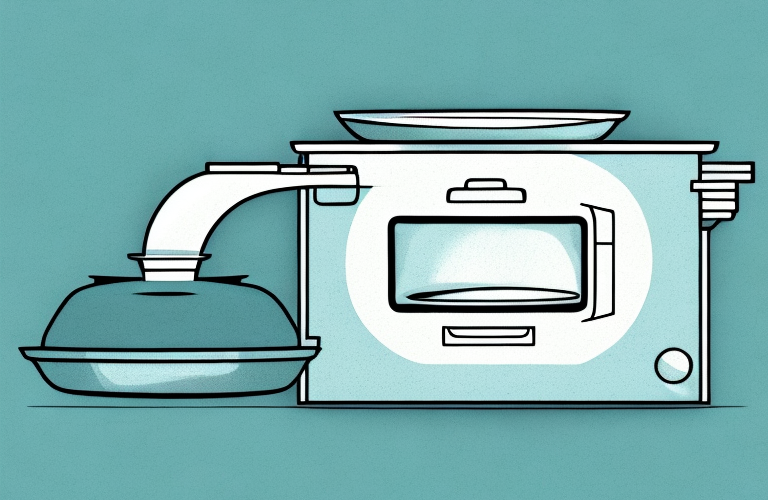
The most crucial piece of equipment for both ceramics and pottery is the kiln. The kiln is used to bake the materials and glaze to achieve the desired strength, durability, and color. The temperature and process of kiln firing differ for ceramics and pottery, with ceramics requiring much higher temperatures and longer firing times. Pottery usually uses a lower temperature range, and sometimes non-kiln firing methods such as firing in underground pits or open fire.
Aside from temperature and firing methods, kilns also come in different shapes and sizes. Some kilns are small enough to fit on a tabletop, while others are large enough to accommodate human-sized sculptures. The shape of the kiln can also affect the final product, with some kilns designed for specific types of pottery or ceramics.
In addition to traditional kilns, modern technology has introduced electric and gas-fired kilns, which offer more precise temperature control and faster firing times. However, some artists still prefer the traditional wood-fired kilns for their unique and unpredictable results. Regardless of the type of kiln used, it remains an essential tool in the creation of ceramics and pottery.
The Aesthetic Differences Between Ceramics and Pottery
Ceramics and pottery differ significantly in their aesthetic designs. Pottery is known for its earthy and rustic appearance, while ceramic products are sleek, shiny, and more polished. Ceramic designs often feature intricate patterns, textures, and eye-catching colors that come from their advanced manufacturing processes.
Another key difference between ceramics and pottery is the way they are used in art and design. Pottery is often used for functional purposes, such as creating bowls, plates, and vases. On the other hand, ceramics are often used for decorative purposes, such as creating sculptures, figurines, and other ornamental objects. This is because ceramics are more versatile in terms of their shape and size, allowing artists to create more intricate and complex designs.
The Functional Differences Between Ceramics and Pottery
Both ceramics and pottery feature a wide range of functional designs, with pottery primarily used for practical applications such as household vessels for storing water, cooking, or serving. Its earthy tactile quality enhances food presentation, and pottery’s porous structure makes it ideal for holding onto heat, keeping food warm for longer. Ceramics, on the other hand, are primarily used for decorative and aesthetic purposes. It is not suitable for holding liquids, but it is well suited for creating intricate pieces that often serve as artistic focal points in homes or galleries.
Another key difference between ceramics and pottery is the firing process. Pottery is typically fired at a lower temperature, which results in a more porous and absorbent material. This makes it ideal for cooking and serving food, as it can absorb excess moisture and prevent food from becoming too dry. Ceramics, on the other hand, are fired at a higher temperature, which results in a harder and more durable material. This makes it well suited for creating decorative pieces that can withstand the test of time.
Additionally, the materials used to create ceramics and pottery can differ. Pottery is typically made from clay, which is readily available and easy to work with. Ceramics, on the other hand, can be made from a variety of materials, including clay, porcelain, and stoneware. These materials can be more difficult to work with, but they offer a wider range of colors, textures, and finishes, allowing for greater artistic expression.
The Durability of Ceramics vs. Pottery
Compared to ceramics, pottery is less durable and is more prone to breakage due to its porous nature. Ceramics, on the other hand, are much stronger and less susceptible to breakage. Due to their high heat resistance and sturdiness, ceramics are used extensively in the aerospace and industrial manufacturing industry.
The Cost Differences Between Ceramics and Pottery
In general, ceramic products are more expensive than pottery, primarily due to their advanced production techniques and additional materials. While pottery requires less processing and manufacturing, the hand-crafted pieces and unique designs can still fetch a high price. Nevertheless, if you are looking for more affordable pieces, pottery is probably your best bet.
The Popularity of Ceramic Art vs. Traditional Pottery
While pottery has always been a popular form of traditional art, ceramics are gaining popularity in modern art as well. Ceramic art often features intricate and unique designs that create a modern and sophisticated ambiance in any space. In contrast, pottery’s rustic look and feel offer a warm and earthy ambiance, making it a popular choice for home decoration.
Exploring the Various Techniques Used in Creating Ceramics and Pottery
In both ceramics and pottery, the firing process plays a vital role in the final product. Techniques such as slip casting, mold making, extruding, and coiling are common in pottery making. Ceramic production, on the other hand, employs high-pressure casting, injection molding, and extrusion techniques. Both ceramic and pottery making benefit from the craftsman’s expertise and attention to detail to produce exceptional results.
The Cultural Significance of Ceramics and Pottery Around the World
Ceramics and pottery have long been a part of various cultures worldwide, with artisans using their unique designs and techniques to create exceptional pieces. Notably, Asian cultures such as China, Japan, and Korea have a rich and deep-rooted history of pottery and ceramic production. Many museums and galleries worldwide feature pottery and ceramic collections that speak to the significant cultural impact of these two artistic endeavors.
How to Properly Care for Your Ceramic or Pottery Collection
Proper care and maintenance are essential for keeping your ceramic or pottery collection in top condition. Regular dusting with a clean, soft cloth is an excellent starting point. Pottery should never be soaked in water, while ceramics can easily be cleaned using mild dishwashing soap and warm water. Always follow the manufacturer’s guidelines for proper care and maintenance, and avoid exposing your collection to any external factors that may damage it, such as direct sunlight.
Collecting Tips for Both Ceramic Art and Traditional Pottery
Whether you’re interested in collecting ceramic art or traditional pottery, there are several things to keep in mind. Look for pieces that are unique and speak to your aesthetics preferences. Consider the quality and craftsmanship of the item before making a purchase. Lastly, choose a reputable dealer who can offer advice and guidance on the best pieces to add to your collection.
Where to Find High-Quality Ceramics and Pottery Pieces for Your Home or Collection
High-quality ceramics and pottery pieces can be found in galleries, art shows, and craft fairs. Online marketplaces such as Etsy and Amazon also offer unique and high-quality pieces. Be sure to research and read reviews of the seller before making a purchase and select a seller who provides a return policy in case you are not satisfied.
In conclusion, while there are similarities between ceramics and pottery, they are indeed different, ranging from their raw materials, manufacturing techniques, and aesthetic appeal. Regardless of which one you choose, both provide exceptional art pieces that can enhance your space’s overall ambiance, and careful consideration and proper care will ensure your pieces last for years to come.