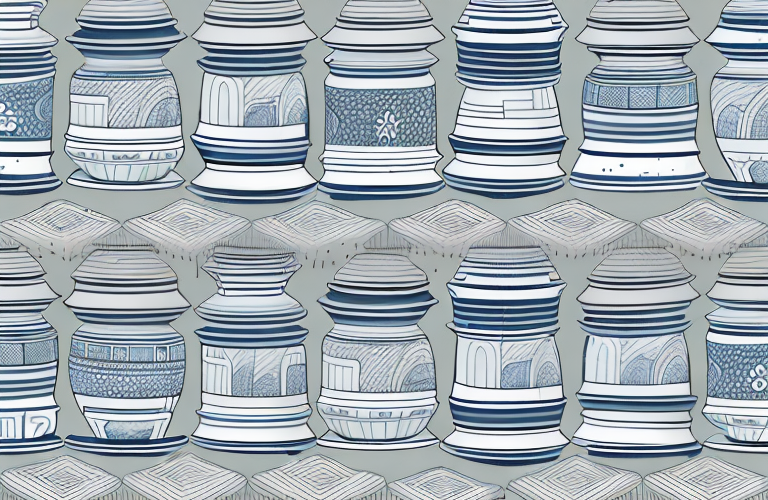
Pottery has been used for centuries to create beautiful and functional objects. Many people enjoy the process of creating their own pottery at home, and with the right knowledge and tools, it can be a rewarding and fulfilling hobby. Making pottery that is safe for use with food requires careful attention to detail and specific steps to ensure that the finished product is not only beautiful but also safe for use. In this article, we’ll cover everything you need to know about making food safe pottery at home.
Understanding the Importance of Food Safety in Pottery
When making pottery that will be used for food, it’s crucial to understand the importance of food safety. Pottery that’s not made to the proper standards can potentially release toxic materials into food or drink, causing serious health problems. Understanding the potential risks of making unsafe pottery, such as lead poisoning, is vital for anyone interested in this form of art.
One of the most important steps in ensuring food safety in pottery is to use the right materials. Clay and glazes that are specifically formulated for food use are readily available and should be used exclusively. It’s also important to avoid using any materials that may contain lead or other harmful substances.
In addition to using safe materials, it’s important to follow proper firing and glazing techniques. Pottery should be fired to the appropriate temperature and for the correct amount of time to ensure that it’s fully cured and safe for use. Proper glazing techniques, such as applying multiple coats and allowing for proper drying time, can also help to ensure that pottery is safe for food use.
Choosing the Right Clay for Your Pottery
The type of clay you use for your pottery can have a significant impact on its suitability for food use. Choose a clay that is labeled “Food Safe” or “Certified Non-Toxic.” Avoid using clays that contain lead or other harmful substances that can leach into food or drink. Some clays marketed as “natural” or “organic” may contain unsafe levels of heavy metals or other contaminants, so be sure to read the label carefully before purchasing.
In addition to considering the safety of the clay, you should also think about the properties of the clay that will affect the final product. For example, some clays are more porous than others, which can affect the glaze and firing process. Other clays may be more or less forgiving when it comes to shaping and molding. It’s important to do your research and choose a clay that will work well for the specific type of pottery you want to create.
Tools and Materials Needed to Make Food Safe Pottery at Home
To make food safe pottery at home, you’ll need a variety of tools and materials. These can include clay, a pottery wheel or hand-building tools, a kiln, glaze, and various safety equipment. Investing in high-quality tools and materials can help ensure the safety and longevity of your finished product.
When selecting clay for your pottery, it’s important to choose a type that is safe for food use. Some clays may contain harmful chemicals or impurities that can leach into food and cause health problems. Look for clay that is labeled as food safe or ask your supplier for recommendations.
Additionally, it’s important to follow proper safety procedures when working with pottery materials. This can include wearing a respirator mask when handling clay dust, using gloves when working with glazes, and ensuring proper ventilation in your workspace. By taking these precautions, you can create beautiful and functional pottery that is safe for use with food.
Preparing Your Workspace for Pottery Making
A clean, organized workspace is essential for pottery making. Before beginning, be sure to clean and declutter your workspace to minimize the risk of contamination. Be sure to wear protective clothing and safety equipment, such as gloves and respirators, to protect against potentially harmful materials.
It is also important to have all necessary tools and materials readily available before starting your pottery project. This includes clay, a pottery wheel, various shaping tools, and a kiln for firing the finished pieces. Make sure to have a designated area for each tool and material to keep your workspace organized and efficient. Additionally, consider the lighting and ventilation in your workspace to ensure a comfortable and safe environment for pottery making.
Techniques for Shaping and Molding Your Pottery
There are a variety of techniques for shaping and molding pottery, including throwing on a wheel, hand-building, and sculpting. Whatever technique you choose, ensure that your tools and materials are clean and your workspace is free of contaminants. Be mindful of shapes and designs that may trap food or bacteria and be difficult to clean thoroughly, as these can pose a risk to food safety.
Another important factor to consider when shaping and molding pottery is the type of clay you use. Different types of clay have different properties, such as their plasticity, drying time, and firing temperature. It’s important to choose a clay that is suitable for your intended use and matches your skill level. Additionally, consider experimenting with different glazes and surface treatments to add unique textures and colors to your pottery.
Firing and Glazing Your Pottery for Maximum Safety
Firing and glazing your pottery to the proper temperature is crucial for ensuring its safety. Fired pottery should reach a temperature of at least 1,835 degrees Fahrenheit to make sure it is non-porous and impermeable, which is essential for preventing any toxins from seeping into the food. Make sure to use glazes that are specifically intended for food use and that are labeled “Food Safe.” Be sure to apply glazes according to the manufacturer’s instructions for maximum safety.
Another important factor to consider when firing and glazing your pottery is the type of kiln you are using. Electric kilns are the most common type used for pottery, but gas kilns can also be used. It is important to properly maintain and clean your kiln to prevent any buildup of debris or residue that could potentially contaminate your pottery.
Additionally, it is important to handle your pottery with care after it has been fired and glazed. Avoid using metal utensils or abrasive sponges that could scratch or damage the surface of the pottery, as this could potentially lead to the release of toxins. Instead, use wooden or silicone utensils and gentle cleaning methods to ensure the longevity and safety of your pottery.
Curing and Storing Your Food Safe Pottery
Once your pottery is fired and glazed, it will need to cure for several days before being used for food. Curing allows the glaze to fully set and harden, ensuring that no harmful materials are released into the food. Store your finished pottery in a dry, clean area that is free from contaminants and away from any chemicals or other materials that could potentially harm the pottery.
It is important to note that pottery that has been used for food should not be used for any other purpose, such as holding plants or other non-food items. This is because the pottery may have absorbed small amounts of food particles or bacteria that could contaminate other items. Additionally, it is recommended to periodically inspect your pottery for any cracks or chips that could potentially harbor bacteria or other harmful materials.
When cleaning your food safe pottery, use mild soap and warm water. Avoid using abrasive materials or harsh chemicals that could damage the glaze or pottery itself. Allow the pottery to fully dry before storing it away. By following these simple steps, you can ensure that your food safe pottery remains safe and functional for years to come.
Cleaning Tips to Keep Your Pottery Safe for Use
To keep your pottery safe for use with food, be sure to clean it thoroughly after each use. Avoid using abrasive materials or cleaners that could damage the glaze or pottery, and never use pottery that is cracked or chipped, as this could increase the risk of bacteria and other harmful contaminants.
Additionally, it is important to store your pottery properly to prevent any damage or contamination. Make sure to stack your pottery carefully, with a layer of padding or cloth between each piece to prevent scratching or chipping. Store your pottery in a dry, cool place to prevent moisture buildup, which can lead to mold or mildew growth. By following these cleaning and storage tips, you can ensure that your pottery remains safe and beautiful for years to come.
Troubleshooting Common Issues in Making Food Safe Pottery at Home
Even with careful attention to detail, it’s possible to encounter issues when making food safe pottery at home. Some common issues include poor glaze adhesion, cracking, and uneven firing. Understanding how to troubleshoot these issues can help ensure the safety and longevity of your finished product.
Creative Ideas for Decorating Your Food Safe Pottery
Once you’ve mastered the basics of making food safe pottery, you can have fun exploring different decorative techniques to make your pottery truly unique. Some popular methods include painting, carving, and printing. Make sure to use only food-safe materials and techniques when adding decorative elements to your pottery.
Exploring Different Types of Food Safe Glazes to Use on Your Pottery
There are a variety of food safe glazes available for use on pottery, each with its own unique properties and effects. Matte glazes can give your pottery a more rustic, earthy feel, while glossy glazes can make your pottery shine and sparkle. Experimenting with different glazes can be a fun way to personalize your pottery and make it truly one-of-a-kind.
How to Test the Safety of Your Finished Product
Once you’ve completed your pottery, it’s essential to test its safety before using it for food. One simple way to do this is to fill your finished pottery with boiling water and let it sit for several hours. If there are any signs of cracking, discoloration, or unusual odors or tastes, do not use the pottery for food.
Tips for Selling and Marketing Your Handmade Food Safe Pottery
If you’re interested in selling your handmade food safe pottery, there are several things to keep in mind. Be sure to clearly label your pottery as “Food Safe” or “Certified Non-Toxic,” and be prepared to provide documentation of its safety if requested. Consider showcasing your pottery at local craft fairs, art shows, or online marketplaces, and be sure to price your pottery competitively based on the time and materials required to create it.