
Ceramics have been an essential part of human culture for centuries, and the process of firing pottery is a critical step in producing ceramic products. One crucial factor in determining the quality of a fired ceramic piece is the firing temperature. Specifically, the cone temperature system is used to indicate the temperature at which the ceramic is fired. In this article, we will dive into the details of Cone 04 firing, its significance in ceramic production, and how to achieve and troubleshoot issues related to Cone 04 ceramic firing.
Understanding the Cone Temperature System for Ceramics
The Cone temperature system, also known as the Pyrometric Cone system, is a way of measuring temperatures inside a kiln while a ceramic piece is being fired. The system uses small, conical shapes made of clay that melts, bend, or deform at specific temperatures. These cones are placed inside the kiln alongside the ceramic pieces and are used as a visual guide to indicate the kiln’s internal temperature.
The cones are arranged in a sequence from lowest to highest, with each cone representing a temperature range. For example, Cone 015 melts at approximately 1,350°F, while Cone 14 can withstand temperatures of up to 2,550°F. Cone 04 is situated in the middle of this range, with a melting temperature of approximately 1,950°F.
It is important to note that the Cone temperature system is not a precise measurement of temperature, but rather a guide to help potters and ceramicists achieve consistent results in their firing process. Factors such as the type of kiln, the size and shape of the ceramic piece, and the firing duration can all affect the temperature inside the kiln and the cones’ behavior. Therefore, it is essential to use the Cone temperature system in conjunction with other temperature-measuring tools, such as thermocouples or pyrometers, to ensure accurate and reliable results.
What Does Cone 04 Mean in Ceramic Firing?
As mentioned earlier, Cone 04 is a specific temperature range that is used in ceramic firing. It indicates the temperature at which the cones in the kiln deform, bend or melt. For Cone 04, the cones will bend into a specific shape, signaling that the ceramic piece is now considered to be fully vitrified, meaning it is now a fully dense and glass-like material. Cone 04 is usually an ideal firing temperature for smaller, decorative pieces and is commonly used for bisque and glaze firings.
It is important to note that different types of clay and glazes may require different firing temperatures. For example, some clays may require a higher firing temperature to achieve full vitrification, while some glazes may require a lower firing temperature to achieve the desired effect. It is important to research and test the appropriate firing temperature for each specific clay and glaze combination.
In addition to temperature, the firing process also involves a specific ramp rate, or the rate at which the kiln heats up. A slow ramp rate is often recommended for Cone 04 firings to prevent cracking or warping of the ceramic pieces. It is also important to allow the kiln to cool down slowly after firing to prevent thermal shock and cracking.
The Importance of Firing Temperature in Ceramic Production
Firing temperature is of utmost importance in ceramic production, as it can impact the final outcome of the ceramic piece in significant ways. For instance, firing too low or too high can result in a weak, porous, or even cracked piece. Adequate firing temperature ensures the ceramic piece has reached optimal density, creating a strong, durable material that will resist water and is relatively non-porous.
Additionally, achieving an appropriate firing temperature is integral in activating the chemical reactions necessary to create the unique colors and glaze effects that give ceramics their distinctive beauty.
Another important factor to consider when determining firing temperature is the type of clay being used. Different types of clay have varying levels of porosity and require different firing temperatures to achieve optimal density. For example, porcelain clay requires a higher firing temperature than earthenware clay to achieve the same level of density.
Furthermore, firing temperature can also affect the overall shape and size of the ceramic piece. If the firing temperature is too high, the piece may shrink or warp, resulting in a distorted final product. On the other hand, firing at too low of a temperature may cause the piece to expand, resulting in a misshapen or cracked piece.
Cone 04 vs. Other Firing Temperatures: Which Should You Choose?
The temperature at which you fire your ceramics is dependent on the clay you use, the effects you want to achieve, and the size and shape of your pieces. There is no one-size-fits-all approach to firing temperature in ceramics; therefore, it’s essential to consider the specific intended outcome of your pieces carefully.
Lower temperatures may cause the ceramic piece to be more porous and brittle, while higher temperatures may lead to warping or cracking. In comparison, mid-range temperatures like Cone 04 provide an appropriate firing temperature for most decorative pieces with a glaze finish.
How to Achieve the Perfect Cone 04 Temperature for Your Ceramics
The key to achieving the perfect Cone 04 temperature for your ceramic pieces is finding the optimal combination of time and temperature. Before you fire your ceramic piece, ensure that it is properly dried to prevent explosions. Typically, bisque firings at Cone 04 could take approximately 8-10 hours to reach this temperature range.
It’s essential to consult the recommended firing temperature range of the clay body you are using, the firing schedule recommendations from the manufacturer of your kiln, and to conduct regular measurements using a pyrometer to observe the internal temperature of the kiln.
Common Mistakes to Avoid When Firing at Cone 04
While firing ceramics at Cone 04 is relatively easy and straightforward, there are common mistakes that every ceramic artist should avoid. One common mistake is not properly drying the piece before firing. This mistake can cause the ceramic piece to crack, craze, or even explode in the kiln.
Another mistake is underfiring or overfiring the piece, resulting in a fragile or warped piece. Proper firing temperature and times are integral to achieving the intended outcome of the piece.
Tips and Tricks for Successful Cone 04 Ceramic Firing
When firing your ceramic pieces at Cone 04, there are a few tips to keep in mind to ensure success. For instance, it’s essential to always clean the kiln thoroughly before any firing to remove any debris or residual glaze that could impact the piece’s final outcome.
Additionally, pay keen attention to the firing schedule recommendations, including the ramp up and ramp down rates, to prevent thermal shock or sudden temperature fluctuations that could cause warping, cracking, or other issues.
The Different Types of Clay Suited for Cone 04 Firing
Various clay bodies can be fired at Cone 04, depending on the intended outcome of the ceramic piece. Cone 04 is suitable for earthenware and terra cotta clay bodies, which give the fired pieces a beautiful red-brown hue. Other types of clay, including porcelain and stoneware, may require much higher temperatures than Cone 04 firing to reach optimal density and strength.
How to Adjust Your Glazes for Cone 04 Firing
Glazes are typically rated for specific firing temperatures and require accurate temperature control to achieve the intended results. For Cone 04 firing, it’s essential to choose appropriate glazes rated for this temperature range.
If you want to customize your glazes, it’s essential to understand the chemical composition and how the firing temperature will impact the intended outcome. The addition of fluxes, silica, and alumina can impact your glaze’s melting temperature, causing it to shift towards higher or lower firing temperature ranges.
Troubleshooting Common Issues with Cone 04 Ceramics
Despite following all the necessary firing procedures, issues with Cone 04 ceramic pieces may still arise. For instance, glazes may fail to adhere or may craze over time, indicating a mismatch of the glaze and clay body types. Additionally, a bloated or over-fired piece may signify that the piece was not adequately dried or that the firing temperature and time were excessive for the piece.
Troubleshooting these issues, involves careful analysis of the firing schedule, the type of clay, and glaze used, and making appropriate adjustments for future firings.
The Advantages and Disadvantages of Using Cone 04 Temperature in Ceramics
Cone 04 firing has both advantages and disadvantages. One of its advantages is that it’s a mid-range temperature that can provide a balance between hardness and aesthetic beauty. The finished piece has adequate strength and is free from any deformation or warping issues. Additionally, Cone 04 provides the opportunity to create pieces with stunning, vibrant coloration, and the glaze results are consistent and predictable.
However, one disadvantage of Cone 04 firing is that it may not be suitable for all types of ceramic pieces. Larger and more functional pieces may require higher firing temperatures to achieve optimal density and strength. Additionally, Cone 04 may not be ideal for soft clay bodies, as they may quickly become harder, which can negatively impact their workability.
How to Read a Kiln’s Temperature During a Cone 04 Firing
Reading the kiln temperature during a Cone 04 firing requires a pyrometer. These devices measure the internal temperature of the kiln and alert the user when the kiln’s temperature rises or falls outside the desired range. Some kilns may have built-in temperature controls and digital readouts, simplifying the process for the user.
The Role of the Kiln in Achieving Optimal Cone 04 Temperature for Ceramics
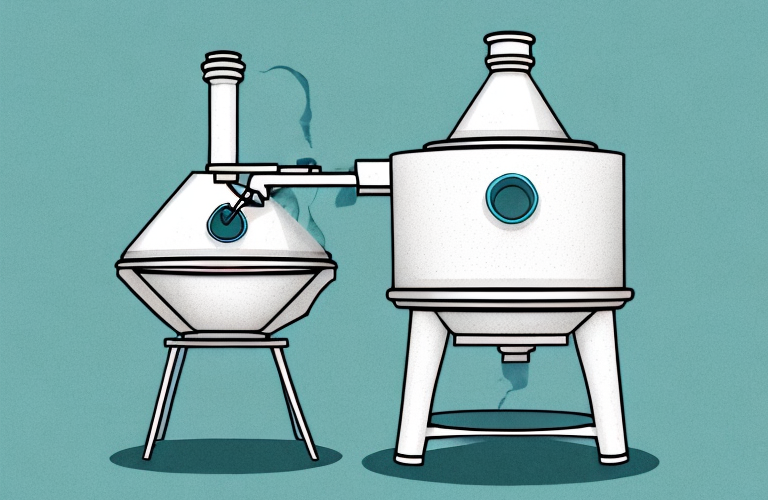
The kiln plays an essential role in achieving optimal Cone 04 temperature for ceramics. It is the container in which the ceramic piece is placed for firing, and its temperature controls determine the firing temperature and rates.
It’s integral to ensure that the kiln is clean and free from any debris or glaze residue before any firing. Regular maintenance, cleaning, and calibration are essential to achieve reliable and consistent results throughout the firing process.
Exploring Creative Possibilities with Cone 04 Fired Ceramics
Cone 04 fired ceramics provide an opportunity for creative expression and artistic experimentation. The combination of various clay bodies and glazes can result in a plethora of unique colors, textures, and finishes.
Moreover, Cone 04 firing is not only limited to traditional pottery pieces but can also include sculptures, figurines, and even jewelry. The possibilities are endless, and the only limits are creativity and imagination!
In conclusion, Cone 04 firing is a critical step in ceramic production, and the proper temperature and time combination is necessary to achieve optimal density, strength, and aesthetic beauty. It’s essential to consider the type of clay body, glaze, size, and shape of the piece before determining the firing temperature. By following recommended firing procedures, paying attention to firing schedules, and troubleshooting issues as they arise, artists can successfully create stunning, vibrant Cone 04 fired ceramic pieces that will last for generations.