

Bisque ware is a type of pottery that has become increasingly popular in the world of collectibles. It is unique in that it is an unglazed and porous form of ceramic that typically has a matte finish. This finish gives bisque ware its distinct appearance and feel. In this guide, we will explore the world of bisque ware, including its history, how it is made, how to identify high-quality pieces, and tips for building a valuable collection of bisque ware pottery.
What is Bisque Ware and How is it Made?
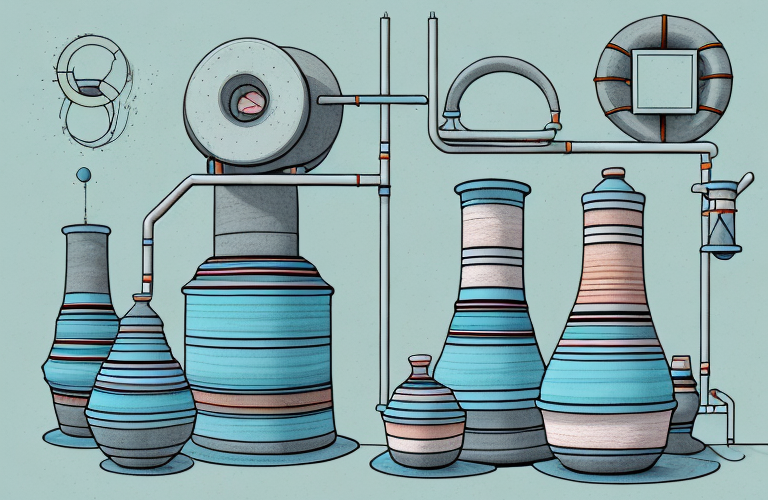
Bisque ware is created by firing clay at a high temperature without glaze. This results in a porous surface that can be left as is or painted with oil-based or acrylic paints. The resulting finish is typically matte and has a chalky or powdery texture. Glazes, on the other hand, are applied to a piece of pottery before it is fired a second time. This creates a shiny, glass-like finish on the surface.
Bisque ware is often used as a base for decorative ceramics, such as figurines, vases, and plates. It is also commonly used in the production of ceramic tiles. The firing process for bisque ware typically takes several hours, and the temperature can range from 900 to 1100 degrees Celsius. Once the bisque firing is complete, the piece can be decorated with a variety of materials, including underglazes, stains, and decals. Bisque ware is a versatile material that allows for a wide range of creative expression in the world of ceramics.
The History of Bisque Ware and Its Significance in Pottery
Bisque ware has a long and storied history, with roots dating back to ancient civilizations like China and Egypt. The process for creating bisque ware was perfected in France in the 1850s and quickly spread throughout Europe and eventually the rest of the world. Bisque ware became especially popular in the 19th century, as it was used to create lifelike dolls and figurines. Its popularity continued into the 20th century, where it was used to create a variety of decorative and functional items, including vases, lamps, and jars.
Today, bisque ware is still widely used in pottery and ceramics. It is a type of unglazed pottery that has been fired at a high temperature, making it hard and durable. Bisque ware is often used as a base for glazing, as the porous surface allows the glaze to adhere better. It is also popular among artists and hobbyists, who use it as a canvas for painting and decorating. Bisque ware has become an important part of the pottery world, and its versatility and durability make it a favorite among artists and collectors alike.
Methods for Identifying High-Quality Bisque Ware Pieces
When collecting bisque ware pottery, it is important to look for pieces that exhibit a few key characteristics. First, high-quality bisque ware should have a smooth and uniform surface. This indicates that the firing process was handled carefully and that the piece was not subjected to any extreme temperatures. Second, the colors on the piece should be vibrant and evenly distributed. Finally, the piece should have a weight that is consistent with its size. A lightweight piece may indicate that it was not properly fired or that it is a replica.
Another important factor to consider when identifying high-quality bisque ware is the level of detail in the piece. Fine details, such as intricate patterns or delicate features, require a skilled hand and careful firing to maintain their integrity. Pieces with crisp, well-defined details are often indicative of high-quality craftsmanship.
It is also worth examining the piece for any signs of damage or wear. While some wear and tear is to be expected with antique bisque ware, excessive damage or repairs can significantly decrease the value of the piece. Look for cracks, chips, or areas where the glaze has worn away, as these can be indicators of poor quality or improper firing.
The Pros and Cons of Collecting Bisque Ware Pottery
Collecting bisque ware pottery has a number of benefits, including its unique appearance and value as a collectible item. Additionally, bisque ware is a versatile material that can be used in a variety of decorative and functional ways. However, there are some downsides to collecting bisque ware. It can be costly, and it requires a good deal of knowledge to ensure that you are purchasing authentic and valuable pieces. Additionally, bisque ware can be delicate and may require special care and maintenance to keep it in top condition.
One of the advantages of collecting bisque ware pottery is that it is often made in limited quantities, making it a rare and unique addition to any collection. Additionally, bisque ware is known for its intricate details and fine craftsmanship, which can make it a highly sought-after item among collectors.
On the other hand, one of the disadvantages of collecting bisque ware is that it can be difficult to find pieces that are in good condition. Because bisque ware is delicate and can be easily damaged, it is important to carefully inspect any potential purchases for cracks, chips, or other signs of wear and tear. Additionally, because bisque ware is often made by hand, there may be slight variations in color or design between pieces, which can make it challenging to create a cohesive collection.
Tips for Building a Collection of Rare and Unique Bisque Ware Pieces
If you are interested in building a collection of bisque ware pieces, there are a few tips to keep in mind. First, it is important to do your research and become familiar with the history and production techniques of bisque ware. This will help you to identify valuable and unique pieces. Additionally, it is important to shop around and look for pieces that stand out and speak to your personal taste. Finally, it is a good idea to work with reputable dealers and auction houses to ensure that you are getting authentic pieces.
Showcase of Famous Artists and Their Contributions to the World of Bisque Ware Pottery
Many famous artists have contributed to the world of bisque ware pottery. One such artist is Albert-Ernest Carrier-Belleuse, a French sculptor who is known for his intricate bisque ware figurines. Another is Paula Bastiaan, a contemporary artist who creates stunning bisque ware sculptures that are inspired by natural forms and textures. These artists and many others have contributed to the rich history and diverse world of bisque ware pottery.
How to Display Your Bisque Ware Collection: Ideas for Interior Decor and Design
Bisque ware pottery can be displayed in a variety of ways to add beauty and interest to your home’s decor. One option is to group similar pieces together on a shelf or bookcase. This can create a striking focal point and help to highlight the unique qualities of each piece. Another option is to use bisque ware as a centerpiece or accent piece on a table or mantle. You can also display bisque ware pottery as standalone pieces on a pedestal or in a glass display case.
Care and Maintenance Guidelines for Your Precious Bisque Ware Collection
When it comes to caring for your bisque ware collection, there are a few guidelines to keep in mind. First, it is important to handle your pieces with care and avoid dropping or jostling them. You should also avoid exposing your bisque ware to excessive heat or direct sunlight, as this can cause cracking or fading. Finally, you should clean your bisque ware pieces carefully using a soft, dry cloth.
Where to Find Rare and Collectible Bisque Ware Pieces: A Comprehensive List of Dealers and Auction Houses
If you are looking for rare and collectible bisque ware pieces, there are several reputable dealers and auction houses to consider. Some popular options include Sotheby’s, Bonhams, and Christies. These dealers and auction houses offer a wide range of bisque ware pieces from around the world, and their knowledgeable staff can provide guidance and advice on building your collection.
A Guide to Investing in Bisque Ware Pottery: How to Spot a Valuable Piece
When investing in bisque ware pottery, it is important to learn how to spot a valuable piece. First, look for pieces that are in excellent condition with no visible damage or repairs. Second, look for pieces that have a unique or unusual design, as these tend to be more valuable than simple or common designs. Finally, look for pieces that are signed or marked by the artist, as these indicate that the piece was created by a known and respected maker.
The Future of Bisque Ware Pottery: Trends and Predictions in This Exclusive Art Form
The future of bisque ware pottery is bright, with many artists and collectors around the world continuing to appreciate and promote this unique form of ceramic artistry. One trend that is emerging in the world of bisque ware is the use of 3D printing technology to create highly detailed and intricate pieces. Additionally, there is a growing interest in combining bisque ware with other materials, such as metal or glass, to create new and exciting works of art.
Interview with a Master Potter: Insights into the Creation of Bisque Ware Pottery
To gain a deeper understanding of the world of bisque ware pottery, we spoke with master potter Jane Smith. According to Smith, creating bisque ware is a complex and time-consuming process that requires skill and patience. She emphasizes the importance of using high-quality clay and carefully monitoring the firing process to create pieces that are durable and visually stunning. Smith also emphasizes the importance of experimenting with different techniques and materials to push the boundaries of what is possible with bisque ware pottery.
The Intersection Between Fashion and Ceramic Artistry: Celebrities Who Own Famous Pieces of Bisque Ware Pottery
Bisque ware pottery has made a splash in the world of fashion and celebrity culture, with many A-listers and fashion icons owning rare and collectible pieces. Some notable collectors include Lady Gaga, who owns a collection of antique bisque ware dolls, and Anna Wintour, who has been spotted wearing bisque ware-inspired jewelry on the red carpet. These celebrity collectors have helped to popularize and promote the world of bisque ware pottery to a wider audience.
Conclusion: Why Collecting, Appreciating, and Owning a Piece of Bisque Ware Pottery is an Exclusive Experience
Collecting, appreciating, and owning a piece of bisque ware pottery is an exclusive experience that offers a unique window into the world of ceramic artistry. Whether you are a seasoned collector or new to the world of bisque ware, there is always something new and exciting to discover. By following the tips and guidelines included in this guide, you can build a valuable and meaningful collection of bisque ware pottery that will last for years to come.