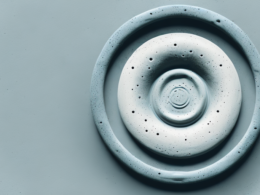


If you’re serious about pottery creation, then it’s essential to understand the role of glazes in bringing out the beauty and character of your pieces. Glazing is a critical part of the pottery making process, and it involves applying a layer of glass-like substance to the surface of your workpiece before firing it in a kiln. Glazing can add color, texture, and a glossy or matte finish to your pottery, making it visually appealing and functional as well.
Understanding the Basics of Pottery Glaze
A pottery glaze is essentially a material made up of different components, such as silica, feldspar, and various metallic oxides, which are mixed together in specific proportions to create a specific type of glaze. The glaze is essentially a liquid solution applied to the surface of the pottery, which then hardens and fuses into a glassy coating when fired at high temperatures in the kiln. The exact properties of the resulting glaze depend on the materials and oxides used in its composition, as well as its firing temperature and duration. Some glazes are glossy, while others are matte or textured. Glazes can also be colored, translucent or opaque. Understanding how these properties are determined can help you choose the right type of glaze for your pottery.
In addition to the properties mentioned above, pottery glazes can also have different effects on the surface of the pottery. For example, some glazes can create a crackled effect, where the glaze appears to have small cracks on the surface. Other glazes can create a speckled effect, where small dots of color are visible on the surface. Some glazes can even create a metallic or iridescent effect, giving the pottery a unique and eye-catching appearance. It’s important to consider not only the color and finish of the glaze, but also any special effects it may have on the surface of the pottery when choosing the right glaze for your project.
The Role of Glaze in Pottery Creation
The glaze plays a vital role in the pottery-making process as it protects the surface of the piece, making it more durable and resistant to scratches and stains. It also enhances the beauty of the piece by adding color and depth to its surface, as well as changing its tactile qualities. Depending on the type of glaze you choose, you can achieve different effects on the surface of the pottery, such as a smooth, shiny finish or a rough, textured appearance.
In addition to its aesthetic and protective qualities, glaze can also affect the functionality of a pottery piece. For example, certain glazes can make a piece more suitable for holding liquids, while others may make it better for serving food. Additionally, some glazes can affect the way a piece interacts with heat, making it more or less suitable for use in the oven or microwave. Therefore, choosing the right glaze is an important consideration for potters, as it can impact both the appearance and functionality of their creations.
Types of Pottery Glazes and Their Properties
There are several different types of pottery glazes available, each with its unique properties and characteristics. Here are some of the most popular types of pottery glazes and their respective properties:
- Transparent glazes: these glazes are glossy and allow the natural color of the clay to show through. They provide excellent protection against moisture, stains, and wear, making them perfect for functional pottery.
- Opaque glazes: these glazes have an opaque appearance, which means they cover the surface of the pottery with a layer of solid color. They are ideal for use in decorative pieces and can give the pottery a smooth, matte finish.
- Metallic glazes: these glazes contain metallic oxides that give the pottery an iridescent or metallic appearance.
- Textured glazes: these glazes have a textured surface and can range from rough and gritty to smooth and shiny. Textured glazes can create unique and interesting visual effects on your pottery.
Aside from the types of glazes mentioned above, there are also glazes that are specifically designed for certain firing techniques. For instance, there are glazes that are formulated for low-fire, mid-fire, and high-fire temperatures. Low-fire glazes are ideal for earthenware pottery, while mid-fire glazes are suitable for stoneware and porcelain. High-fire glazes, on the other hand, are used for firing at extremely high temperatures, which can result in a durable and vitrified finish.
Another factor to consider when choosing a pottery glaze is its compatibility with the clay body. Some glazes are formulated to work best with specific types of clay, while others are more versatile and can be used with a variety of clay bodies. It’s important to choose a glaze that is compatible with your clay body to ensure that the glaze adheres properly and produces the desired results.
Choosing the Right Glaze for Your Pottery Project
When choosing a glaze for your pottery project, you need to consider the type of clay you’re using, the firing temperature, and the effect you want to achieve. Transparent glazes are ideal for functional pottery pieces such as plates and bowls, as they ensure that the natural color of the clay shows through. Opaque glazes are perfect for decorative pieces, and metallic glazes are ideal for creating shimmering effects on your pottery. For a more textured look, consider using a textured glaze, which can add depth and dimension to your pieces.
Preparing Your Pottery for Glazing
Before you apply the glaze to your pottery, you need to prepare the surface properly to ensure that the glaze adheres correctly. The first step is to remove any rough spots or bumps on the surface of the piece by sanding it down lightly. Next, clean the surface thoroughly, removing any dirt or dust that might interfere with the glaze’s adhesion. Once your pottery is clean and dry, you’re ready to apply the glaze. Depending on the type of glaze you’re using, you can apply it with a brush or with a spray gun. Be sure to apply the glaze evenly and coat the entire surface of the piece for uniform results. Leave the glaze to dry for a few hours before firing it in the kiln.
Applying Glaze to Your Pottery: Techniques and Tips
To achieve the best results when applying glaze to your pottery, there are some tips and techniques that you should keep in mind. For example, when using a brush to apply the glaze, use broad, smooth strokes with gentle pressure to avoid creating brush marks or streaks. Always wear gloves when handling glazes to prevent skin irritation, and stir the glaze thoroughly before applying it to ensure even distribution of the materials.
Firing and Finishing Your Glazed Pottery
Once the glaze has dried thoroughly, it’s time to fire your pottery in the kiln. The exact temperature and time required for firing depend on the type of clay, the glaze, and the effect you want to achieve. Make sure to follow the firing instructions carefully to avoid damaging or cracking your piece.After firing, allow the pottery to cool down before removing it from the kiln. Once it’s cool, you can finish your piece by sanding down any sharp edges or rough spots and sealing the surface with wax or sealant.
Troubleshooting Common Issues with Glazed Pottery
Despite your best efforts, issues may arise when glazing your pottery. For example, the glaze may crack or bubble during firing, or the color may not turn out as expected. If this happens, don’t panic; there are often simple solutions to these issues. You can try adjusting the firing temperature, changing the thickness of the glaze, or experimenting with different techniques to find the ones that work best for you.
Experimenting with Unique Glazing Techniques: Ideas and Inspiration
If you’re feeling adventurous, try experimenting with different glazing techniques to create unique and eye-catching effects on your pottery. For example, you can try layering different glazes to create a multi-dimensional finish or using a resist technique to create intricate patterns on the surface of your pottery. You can also try experimenting with unusual materials, such as salt or wax, to create unique effects on your glazed pottery.
Achieving Stunning Results with Layered Glazes
Layering glazes is one of the most popular techniques used by pottery makers to create eye-catching and unique effects. The process involves applying several layers of glaze to the surface of the pottery, each with a different color or texture, to create a multi-dimensional finish. The key is to choose compatible glazes that won’t run or blend together during firing. Experimentation is the key to achieving stunning results when using layered glazes.
Advanced Techniques for Creating Textured and Patterned Glazes
If you’re an experienced pottery maker, you may want to try your hand at creating more complex and textured glazes. Some advanced techniques include using a resist technique, manipulating the glaze with a textured surface, or creating intricate patterns on the surface of the pottery. These techniques require a higher level of skill and patience but can produce breathtaking results when done correctly.
Using Color Theory to Create Beautifully Balanced Glazes
Color theory plays a vital role in creating beautifully balanced glazes. By understanding the relationships between colors, you can create compositions that are visually harmonious and appealing. For example, complementary colors (colors that are opposite each other on the color wheel) create a striking contrast when used together. Analogous colors (colors that are adjacent to each other on the color wheel) create a more subtle and harmonious effect. Experiment with different color combinations to find the ones that work best for your pottery.
Eco-Friendly Options for Sustainable Pottery Glazing
If you’re concerned about environmental sustainability, there are several eco-friendly options for pottery glazing available. For example, you can use low or zero-VOC (volatile organic compounds) glazes that are non-toxic and safe for the environment. Alternatively, you can explore natural materials, such as clays, plant-based resins, and natural pigments, to create unique and sustainable glazes for your pottery.
Maintaining and Caring for Your Glazed Pottery Pieces
Once your pottery is finished and glazed, it’s essential to take proper care of it to ensure its longevity and beauty. Always handle your pottery with care to prevent chips and cracks, and avoid exposing them to extreme temperatures or moisture. When cleaning your glazed pottery, use gentle, non-abrasive products and avoid soaking them in water for extended periods. With proper care, your glazed pottery can serve as a beautiful and functional decoration in your home for years to come.
Conclusion
Glazing is an essential part of pottery creation, and by understanding the different techniques and options available, you can create unique and visually appealing pieces that truly stand out. By choosing the right type of glaze, preparing your pottery carefully, and experimenting with different techniques, you can achieve stunning results that showcase your individual style and creativity. With the proper care and maintenance, your glazed pottery can last for generations, providing beauty and joy to all who behold it.