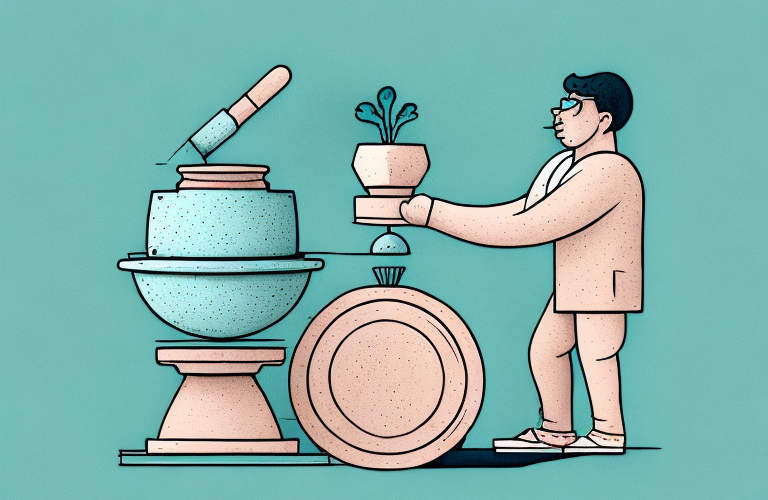
If you’re looking for a new creative outlet, working with clay may be just the hobby for you. Not only does it allow you to tap into your inner artist, but it also has numerous benefits for your mind, body, and soul. In this article, we’ll take an in-depth look at 10 cool ceramic projects you can try out today. But before we get into the projects, let’s first explore the beauty and versatility of working with clay.
Discover the Beauty and Versatility of Working with Clay
Clay is a natural material that has been used for thousands of years by artists and craftspeople. It has a unique, earthy quality that cannot be replicated by any other substance. Additionally, working with clay allows for endless possibilities. From functional pottery to sculptural pieces, there is no limit to what you can create. Plus, clay is versatile in its texture, color, and composition, making it a fantastic material to work with.
One of the most exciting aspects of working with clay is the tactile experience it provides. The malleability of the material allows you to shape and mold it with your hands, giving you a direct connection to your creation. This hands-on approach can be therapeutic and meditative, providing a sense of calm and relaxation. Furthermore, the firing process of clay adds an element of surprise and unpredictability, as the final product can be influenced by factors such as temperature and glaze application. Overall, working with clay is a rewarding and fulfilling experience that allows you to tap into your creativity and connect with the natural world.
The Art and Craft of Creating Stunning Ceramic Pieces
If you’re new to the world of clay, there’s no need to be intimidated. Creating ceramic pieces can be as simple or complex as you make it. One of the great things about working with clay is that you can start with simple projects and work your way up to more challenging ones. Plus, there are countless resources and tutorials available online to help you learn the basics of ceramic art.
Once you’ve mastered the basics, you can experiment with different techniques and styles to create truly unique pieces. From hand-building to wheel-throwing, there are many ways to shape and mold clay into beautiful works of art. You can also experiment with different glazes and firing techniques to add color and texture to your pieces.
Creating ceramic pieces can also be a therapeutic and relaxing activity. The tactile nature of working with clay can help reduce stress and anxiety, and the satisfaction of creating something with your own hands can be incredibly rewarding. Whether you’re looking to create functional pieces like bowls and mugs, or decorative pieces like sculptures and vases, the possibilities are endless when it comes to ceramic art.
From Vases to Bowls: A Guide to Making Functional Ceramics
One of the most rewarding aspects of working with clay is being able to create functional pieces that can be used in everyday life. From vases to bowls, there are countless functional ceramic projects you can try out. If you’re just starting, a simple pinch pot or coil bowl is an excellent place to begin your journey into functional ceramics. As you progress, you can try more complex projects such as teapots or pitchers.
It’s important to note that creating functional ceramics requires not only skill but also attention to detail. The thickness of the walls, the shape of the piece, and the glaze used can all affect the functionality of the final product. For example, a bowl with too thin walls may crack when filled with hot soup, while a teapot with a poorly designed spout may drip when pouring. Therefore, it’s essential to take the time to learn and practice the techniques needed to create functional ceramics that not only look beautiful but also work well in everyday use.
Clay Sculpting Techniques for Beginners and Advanced Artists
If you’re interested in the sculptural aspect of ceramic art, there are numerous techniques you can use to create stunning pieces. One of the most common techniques is hand-building, where you use your hands to shape the clay into your desired form. Other techniques include slab-building, coil-building, or using a pottery wheel. Additionally, you can experiment with different tools and textures to add depth and dimension to your sculptures.
Another important aspect of clay sculpting is understanding the properties of the clay itself. Different types of clay have different levels of plasticity, which affects how easy or difficult it is to shape and mold. It’s also important to consider the firing process, as this can affect the final outcome of your sculpture. Some artists prefer to use low-fire clay, while others prefer high-fire clay for a more durable finished product. With practice and experimentation, you can develop your own unique style and techniques in clay sculpting.
Unique and Creative Ways to Decorate Your Ceramic Projects
Once you’ve created your ceramic pieces, it’s time to decorate them! There are countless ways to embellish your pieces, from painting with glazes to adding texture or using decals. You can also experiment with different firing techniques to achieve unique finishes on your pieces.
Another fun way to decorate your ceramic projects is to incorporate mixed media elements. You can add beads, wire, or even fabric to your pieces to create a one-of-a-kind look. Additionally, you can try using alternative materials like alcohol inks or metallic leaf to add a pop of color or shine to your pieces. Don’t be afraid to get creative and try new techniques to make your ceramic projects stand out!
Mastering the Pottery Wheel: Tips, Tricks, and Techniques
Pottery wheels are a fundamental tool for ceramic artists. Whether you’re a beginner or an expert, there are always new techniques to learn and ways to improve your skills. Some tips for mastering the pottery wheel include controlling your speed and pressure, using the right amount of water, and practicing consistently.
One important technique to master on the pottery wheel is centering. Centering is the process of getting the clay perfectly centered on the wheel head, which is essential for creating symmetrical pieces. It takes time and practice to get the hang of centering, but once you do, it will make a huge difference in the quality of your work.
Another tip for mastering the pottery wheel is to experiment with different types of clay. There are many different types of clay available, each with its own unique properties and characteristics. By trying out different types of clay, you can discover which ones work best for your style and preferences, and you can also create a wider range of pieces.
How to Glaze and Fire Your Ceramic Pieces Like a Pro
Glazing and firing your pieces is a crucial step in the ceramic process. The glaze not only adds color and texture to your piece but also seals it and protects it from water damage. Firing your piece properly is also essential to ensure that it is durable and will last for years to come. Some tips for glazing and firing your ceramic pieces include applying an even layer of glaze, choosing the correct temperature and firing schedule, and being patient throughout the process.
Exploring the World of Hand-Built Ceramics: Techniques and Inspiration
Although pottery wheels are wonderful tools, there are countless hand-built techniques that you can use to create unique and intricate pieces. One popular hand-building technique is slab-building, where you roll out sheets of clay and use them to form your piece. Other techniques include pinching, coiling, and carving. Inspiration for hand-built ceramics can come from nature, architecture, or even your own imagination.
The Benefits of Working with Clay for Mind, Body, and Soul
Working with clay is not only a satisfying hobby but also has numerous benefits for your overall well-being. It can help reduce stress, improve focus and concentration, and even improve fine motor skills. Additionally, creating something with your hands can be incredibly rewarding and boost your self-esteem.
Turning Your Passion for Ceramics into a Profitable Business Venture
If you’ve been honing your ceramic skills and have a passion for the craft, you may want to consider turning your hobby into a small business. There are many avenues for selling your ceramic pieces, including online marketplaces, local craft fairs, or even starting your own online store. However, it’s essential to do your research and ensure that you have all the necessary equipment and business knowledge to start your venture successfully.
Top 10 Tools You Need for Successful Ceramic Projects
If you’re just starting with ceramics, it can be overwhelming to know what tools you need to get started. Here’s a list of the top ten tools you’ll need to create successful ceramic projects:
- Pottery wheel
- Clay
- Glaze
- Brushes
- Clay sculpting tools
- Kiln
- Sponges
- Banding wheel
- Apron
- Towels
A Guide to Different Types of Clays and Their Uses
There are countless different types of clays available, each with its unique properties and uses. Clay can vary in texture, color, and even temperature requirements for firing. Some common types of clays include earthenware, stoneware, and porcelain. It’s essential to understand the different properties of each type of clay to ensure that you’re using the right one for your project.
Learning from the Masters: The History of Ceramic Art and Its Influential Figures
Ceramic art has a rich history that dates back thousands of years. From ancient pottery to modern sculpture, countless influential figures have shaped the art form into what it is today. Studying the works of these masters can provide inspiration and insight into the craft, helping you hone your skills and develop your technique.
Getting Started with Ceramic Art: Finding Inspiration and Motivation
If you’re new to ceramics or feeling uninspired, it can be challenging to know where to start. One of the best ways to get inspired is to look at the works of other artists and try to incorporate their techniques into your own pieces. Additionally, it’s crucial to stay motivated and dedicated to the craft. Setting goals and working consistently towards them can help you improve your skills and develop your technique.
Creativity Unleashed: Designing Your Own Unique Ceramic Pieces
The possibilities of what you can create with clay are endless. Whether you’re interested in creating functional pieces or sculptural art, the only limit is your own creativity. It’s essential to stay open-minded and experiment with different techniques and styles to find your own unique voice in the world of ceramic art.
In Conclusion
Ceramic art is a rewarding and fulfilling hobby that has numerous benefits for your mind, body, and soul. With these ten cool ceramic projects to try out today, you’re sure to find a project that piques your interest and allows you to tap into your inner artist. Whether you’re creating functional pieces or exploring the sculptural possibilities of clay, the world of ceramic art is waiting for you to dive in and let your creativity soar.