Microwaving food has become increasingly popular over the years. It’s quick, convenient, and efficient. However, not all materials are safe for use in the microwave, including ceramic bowls. In this article, we’ll explore the safety of ceramic bowls in the microwave and answer the question, “Are ceramic bowls safe to use in the microwave?”
A Brief Overview of Microwave-Safe Materials
Before we dive into the safety of ceramic bowls in the microwave, let’s first discuss microwave-safe materials. The most common microwave-safe materials include glass, microwave-safe plastic, and paper. These materials are safe to use in the microwave because they do not contain any metallic properties that could cause arcing or fires. Instead, they allow the microwaves to pass through them, heating up the food inside.
It’s important to note that not all types of glass and plastic are microwave-safe. Some glass and plastic containers may contain additives or coatings that could potentially release harmful chemicals when heated in the microwave. It’s always best to check the label or manufacturer’s instructions to ensure that the container is safe for microwave use. Additionally, it’s recommended to avoid using containers that are cracked, chipped, or damaged in any way, as they may not be able to withstand the heat and pressure of the microwave.
Understanding the Composition of Ceramic Bowls
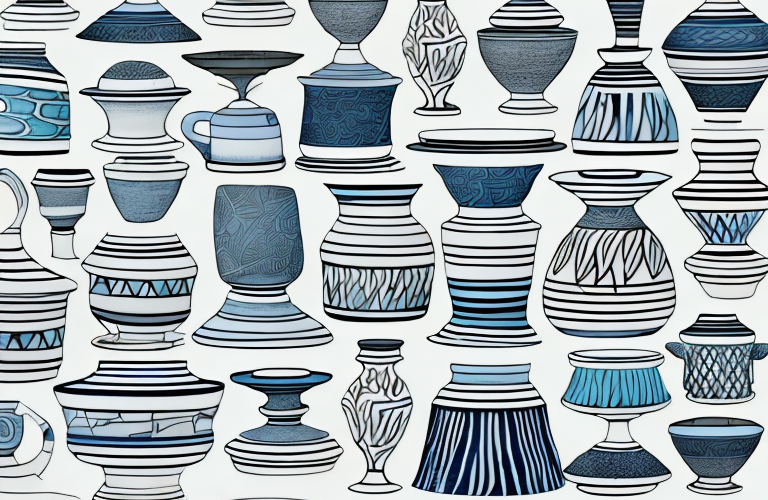
Ceramic bowls are made of clay that has been fired at a high temperature. They are glazed to give them their smooth and shiny finish. While ceramics are not microwave-safe material, some ceramic dishes are labeled as microwave-safe. It is important to note that not all ceramic dishes are created equal, and some may be unsafe for use in the microwave.
When it comes to the composition of ceramic bowls, there are different types of clay that can be used. Some of the most common types of clay used in ceramic production include earthenware, stoneware, and porcelain. Earthenware is the most porous of the three and is often used for decorative purposes. Stoneware is more durable and is commonly used for everyday dishes. Porcelain is the most refined and is often used for fine china.
In addition to the type of clay used, the glaze on a ceramic bowl can also affect its composition. Some glazes may contain lead or other harmful materials, which can leach into food if the bowl is not properly made or used. It is important to purchase ceramic bowls from reputable sources and to always follow the manufacturer’s instructions for use and care.
The Risks of Microwaving Non-Microwave Safe Materials
Microwaving non-microwave safe materials can be dangerous. When non-microwave safe materials are heated, they can release harmful chemicals and toxins into your food. Additionally, they can cause arcing or fires, which can be hazardous to your health and safety.
It is important to always check the labels of containers and packaging before microwaving them. Some materials, such as aluminum foil or metal containers, should never be used in the microwave. Instead, opt for microwave-safe glass or ceramic containers. It is also important to avoid microwaving plastic containers that are not labeled as microwave-safe, as they can release harmful chemicals into your food when heated. By taking these precautions, you can ensure that your food is heated safely and without any added health risks.
Potential Health Hazards of Microwaving Ceramic Bowls
Microwaving certain types of ceramic bowls may pose health risks. When ceramic bowls are not labeled as microwave-safe, they may contain lead, cadmium, or other toxic metals that can leach into your food when heated. Lead, cadmium, and other toxic metals can cause serious health problems, including cancer, organ damage, and developmental problems in children.
It is important to note that not all ceramic bowls are unsafe for microwaving. Some ceramic bowls are specifically designed to be microwave-safe and are labeled as such. These bowls are typically made with materials that do not contain any toxic metals and are safe to use in the microwave.
Additionally, it is recommended to avoid microwaving any type of plastic container, as they can also leach harmful chemicals into your food when heated. Instead, opt for glass or ceramic containers that are labeled as microwave-safe to ensure the safety of your food and your health.
Factors That Determine the Microwave Safety of Ceramic Bowls
There are several factors that determine the microwave safety of ceramic bowls. The first factor is whether the ceramic bowl is labeled as microwave-safe. If the bowl is labeled as microwave-safe, it has been tested and is safe to use in the microwave. Another important factor is the glaze used on the bowl. If the glaze contains any metallic properties, it can cause arcing or fires, making the bowl unsafe for use in the microwave.
Additionally, the thickness of the ceramic bowl can also affect its microwave safety. Thicker bowls may not heat evenly and can cause hot spots, which can lead to cracking or even shattering. It is important to use a ceramic bowl that is of appropriate thickness for microwave use. Furthermore, if the ceramic bowl has any cracks or chips, it should not be used in the microwave as it can cause further damage or breakage. Always inspect your ceramic bowls before using them in the microwave to ensure they are safe to use.
How to Identify Microwave-Safe Ceramic Bowls
Identifying microwave-safe ceramic bowls is easy. Look for a label that specifically states that the bowl is microwave-safe. If the bowl is not labeled, you can perform a simple test. Fill the bowl with water and heat it in the microwave for one minute. If the bowl is safe for use in the microwave, it will be warm, but the water will not be hot. If the water is hot, it may indicate that the bowl is not microwave-safe.
Another way to identify microwave-safe ceramic bowls is to look for any cracks or chips on the surface. If the bowl has any cracks or chips, it may not be safe to use in the microwave as the heat can cause the cracks to expand and break the bowl. It is always better to err on the side of caution and avoid using damaged ceramic bowls in the microwave.
It is also important to note that not all ceramic bowls are microwave-safe, even if they do not have any visible cracks or chips. Some ceramic glazes may contain lead or other harmful materials that can leach into your food when heated in the microwave. To be safe, it is best to use ceramic bowls that are specifically labeled as microwave-safe or to use alternative microwave-safe materials such as glass or plastic.
Best Practices for Microwaving Food in Ceramic Bowls
If you are using ceramic bowls in the microwave, there are a few best practices you should follow. First, make sure the bowl is labeled as microwave-safe or has passed the water test. Second, avoid using ceramic bowls with metallic glazes or patterns. Third, use caution when removing the bowl from the microwave, as it may be hot.
Additionally, it is important to note that ceramic bowls can become very hot in the microwave, so it is recommended to use oven mitts or a towel to handle them. It is also a good idea to stir the food halfway through the microwaving process to ensure even heating.
Furthermore, if you are microwaving liquids in a ceramic bowl, be aware that they can become superheated and potentially explode. To prevent this, place a wooden stirrer or chopstick in the liquid to create a nucleation site, which will release the built-up steam and prevent an explosion.
Tips to Keep in Mind While Using Ceramic Bowls in the Microwave
When using ceramic bowls in the microwave, there are a few tips to keep in mind. First, avoid stacking multiple ceramic bowls on top of each other in the microwave. This can cause uneven heating and increase the risk of arcing or fires. Second, avoid using chipped or cracked ceramic bowls in the microwave. Third, use pot holders or oven mitts to remove the bowl from the microwave to avoid burning your hands.
Additionally, it is important to note that not all ceramic bowls are microwave-safe. Some ceramic glazes may contain lead or other harmful materials that can leach into your food when heated in the microwave. To ensure that your ceramic bowl is safe for use in the microwave, look for a label or stamp that indicates it is microwave-safe or check with the manufacturer.
Lastly, when heating liquids in a ceramic bowl in the microwave, be aware that the bowl and its contents may become very hot. To prevent spills and burns, stir the liquid before removing it from the microwave and allow it to cool for a few moments before handling.
Alternatives to Using Ceramic Bowls in the Microwave
If you are not comfortable using ceramic bowls in the microwave, there are several alternatives available. Glass and microwave-safe plastic are both safe options for microwaving food. Additionally, paper products, such as paper towels or paper plates, can also be used in the microwave. However, it is important to note that paper products should only be used for short periods and should not be left unattended in the microwave.
Another alternative to using ceramic bowls in the microwave is to use silicone containers. These containers are safe for use in the microwave and can withstand high temperatures. They are also reusable and easy to clean. However, it is important to make sure that the silicone container is labeled as microwave-safe before using it in the microwave.
Conclusion
In conclusion, whether ceramic bowls are safe to use in the microwave depends on several factors. If the bowl is labeled as microwave-safe or has passed the water test, it is safe to use in the microwave. If the bowl is not labeled or fails the water test, it may not be safe to use. Always use caution when using ceramic bowls in the microwave and follow best practices to reduce the risk of harm. If you are not comfortable using ceramic bowls in the microwave, consider using alternative materials that are microwave-safe.
It is important to note that even if a ceramic bowl is labeled as microwave-safe, it may still become hot to the touch after being heated in the microwave. Always use oven mitts or a towel to handle the bowl and avoid burns. Additionally, it is recommended to avoid using ceramic bowls with metallic accents or decorations in the microwave, as these can cause sparks and damage to the microwave.
Another factor to consider when using ceramic bowls in the microwave is the type of food being heated. Foods with high sugar or fat content, such as sauces or soups, can cause the ceramic to become extremely hot and potentially crack or break. It is best to use a microwave-safe glass or plastic container for these types of foods.