If you’re interested in creating pottery or ceramic pieces, learning the art of wheel throwing is an essential skill. Wheel throwing refers to the process of shaping clay on a potter’s wheel to create bowls, plates, cups, and other objects. In this guide, we’ll cover everything you need to know to get started with wheel throwing, including the history of the art form, the tools and materials you’ll need, basic techniques, and tips for creating beautiful pieces.
What is Wheel Throwing and Why is it an Art Form?
Wheel throwing is the process of shaping clay on a potter’s wheel using various techniques to create functional or sculptural objects. It’s an art form because it requires a combination of technical skill, creativity, and artistic vision to create beautiful and unique pieces. Wheel throwing is a form of ceramics that has been practiced for thousands of years, and it continues to be popular today as a way to create functional pottery and art objects.
One of the reasons why wheel throwing is considered an art form is because it allows for a high level of personal expression. Each piece created on the potter’s wheel is unique and reflects the individual style and vision of the artist. Additionally, wheel throwing requires a deep understanding of the properties of clay, including its texture, plasticity, and drying time. This knowledge is essential for creating pieces that are both aesthetically pleasing and functional.
Another reason why wheel throwing is an art form is because it has a rich cultural history. Many ancient civilizations, such as the Greeks and the Chinese, used wheel throwing to create pottery for everyday use and for ceremonial purposes. Today, wheel throwing is still practiced in many parts of the world, and it continues to evolve as artists experiment with new techniques and materials. As a result, wheel throwing is not only a form of artistic expression, but also a way to connect with the past and preserve cultural traditions.
A Brief History of Wheel Throwing: From Ancient Times to Modern Day
The exact origins of wheel throwing are unclear, but it’s thought to have been developed independently in several cultures, including Asia, Europe, and the Americas. The ancient Greeks and Romans used wheel throwing to create pottery for household use and religious ceremonies, and the art form continued to be popular during the Middle Ages and Renaissance. Today, wheel throwing is practiced by artists and ceramicists all over the world, and it has evolved to include a wide range of styles and techniques.
One of the most significant developments in wheel throwing was the invention of the electric pottery wheel in the 20th century. This innovation allowed for greater precision and control in shaping clay, and it revolutionized the field of ceramics. Additionally, contemporary ceramic artists have pushed the boundaries of traditional wheel throwing techniques, experimenting with new forms, textures, and glazes. Some artists have even incorporated technology, such as 3D printing, into their wheel throwing process. Despite these advancements, many artists still value the traditional techniques and history of wheel throwing, and strive to honor and preserve this ancient art form.
The Materials You Need to Start Wheel Throwing: Clay, Tools, and Equipment
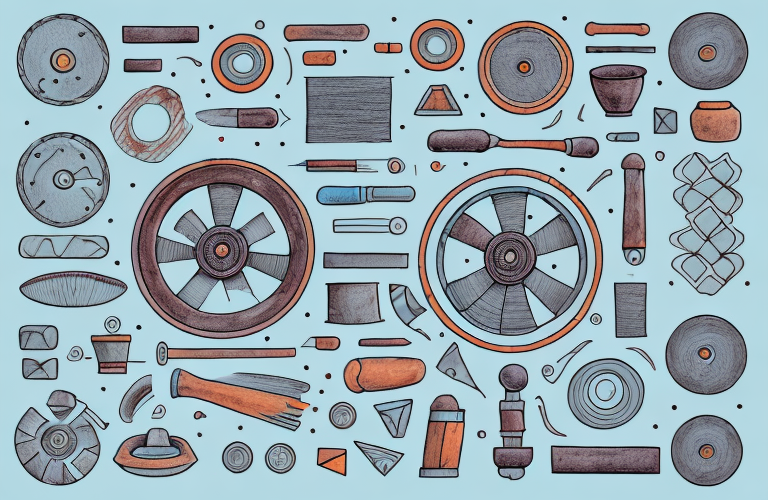
Before you can start wheel throwing, you’ll need to gather some essential materials and tools. The most important of these is clay, which comes in various types and formulations. You’ll also need a potter’s wheel, which can be either electric or manual, as well as other tools like a clay cutter, sponge, and rib. In addition, you’ll need a kiln for firing your pieces, as well as glazes and other supplies for decorating and finishing them.
It’s important to note that not all clay is created equal. Some types of clay are better suited for wheel throwing than others, so it’s important to do your research and choose a clay that will work well for your specific project. Additionally, when selecting tools and equipment, it’s important to consider your skill level and budget. While some tools may be necessary for more advanced techniques, beginners may be able to get by with just the basics.
Choosing the Right Clay for Your Project: A Comprehensive Guide
Choosing the right clay for your project is essential for achieving the desired results. There are several types of clay to choose from, including earthenware, stoneware, and porcelain, each with its own properties and characteristics. Factors to consider when choosing clay include its plasticity, firing temperature, and color. It’s a good idea to experiment with different types of clay to see which ones work best with your skills and artistic vision.
Another important factor to consider when choosing clay is its texture. Some clays are smoother and more refined, while others have a rougher, more rustic texture. The texture of the clay can greatly impact the final look and feel of your project. Additionally, the source of the clay can also affect its properties and characteristics. For example, clay sourced from different regions may have different mineral compositions, which can affect its plasticity and firing temperature.
Preparing Your Clay: Wedging, Centering, and Consistency
Before you can begin wheel throwing, you need to prepare your clay by wedging it to remove air bubbles and ensure even consistency. You’ll also need to center the clay on the potter’s wheel, which involves getting it into a symmetrical shape and positioning it correctly on the wheelhead. Consistency is also important, as the clay should be neither too dry nor too wet. With practice, you’ll be able to prepare your clay quickly and efficiently.
When wedging your clay, it’s important to use a consistent technique to ensure that all air bubbles are removed. Some potters prefer to cut their clay in half and stack the two halves on top of each other, while others prefer to slam the clay onto a hard surface. Experiment with different techniques to find what works best for you.
Centering your clay can be a challenge for beginners, but with practice, it becomes easier. One tip is to use your non-dominant hand to hold the clay in place while using your dominant hand to apply pressure to the clay. This will help you maintain control and keep the clay centered on the wheelhead.
Basic Techniques for Wheel Throwing: Pulling, Pinching, and Coiling
There are several basic techniques used in wheel throwing, including pulling, pinching, and coiling. Pulling involves pulling the clay upwards and outwards to create a cylindrical shape, while pinching involves shaping the clay by pinching it with your fingers. Coiling is a technique used to create bowls and other rounded shapes, where the clay is rolled into long coils and then shaped into the desired form.
Creating Shapes and Forms with the Wheel: Cups, Bowls, Plates, and More
Once you’ve mastered the basic techniques, you can start creating more complex shapes and forms with the wheel. Cups, bowls, and plates are popular functional pieces to make, while vases, sculptures, and decorative objects can be more challenging but also more rewarding. Experiment with different shapes and sizes to find the ones that suit your style and artistic vision.
Adding Texture and Detail to Your Pieces: Incising, Carving, and Stamping
Adding texture and detail to your wheel-thrown pieces can take them to the next level of sophistication. Incising involves cutting lines and patterns into the clay using a sharp tool, while carving involves removing clay from the surface to create depth and texture. Stamping is another technique that can be used to add texture and decoration, using a stamp or other object to create impressions on the clay’s surface.
Decorating Your Pieces with Glazes: Techniques and Tips for Amazing Results
Glazes are used to add color and texture to ceramic pieces, and there are many techniques and tips for achieving amazing results. Glazes can be applied in a variety of ways, including brushing, pouring, and spraying, and they can be layered to create a range of colors and effects. It’s important to follow the manufacturer’s instructions for firing and glazing to ensure that your pieces turn out exactly as you intend.
Firing Your Pieces in a Kiln: Temperature Control, Safety Guidelines, and Best Practices
Firing your pieces in a kiln is the final step in the wheel throwing process, and it’s important to do it safely and correctly. Kilns can reach very high temperatures, so it’s essential to follow the manufacturer’s instructions for temperature control and safety. You’ll also want to consider factors like ventilation, timing, and type of kiln for best results.
Troubleshooting Common Issues in Wheel Throwing: Cracking, Warping, or Drying Too Quickly
Like any art form, wheel throwing can come with its own set of challenges and pitfalls. Common issues include cracking, warping, and drying too quickly. These problems can often be avoided with proper preparation and care, but they can also be remedied with various techniques and solutions. Don’t be discouraged if you encounter difficulties at first – with practice and experience, you’ll be able to overcome these challenges and create beautiful pieces.
Cleaning Up After Your Project: Storage Tips for Unfinished Pieces and Tools
When you’ve finished your wheel throwing project, it’s important to clean up properly to avoid wasting materials and tools. Unfinished pieces should be wrapped in plastic or stored in a damp environment to prevent them from drying out. Tools should be cleaned and stored in a safe, organized manner to ensure that they stay in good condition for future use.
The Benefits of Wheel Throwing for Mental Health and Wellbeing
Finally, it’s worth noting that wheel throwing can have many benefits for mental health and wellbeing. It’s a meditative and relaxing activity that can help reduce stress and anxiety. It can also boost creativity and self-confidence, providing a sense of accomplishment and satisfaction. As you become more experienced in wheel throwing, you may find that it becomes a cherished hobby and a source of joy in your life.
Finding Inspiration and Community as a Beginner in the World of Wheel Throwing
As a beginner in the world of wheel throwing, it’s important to find inspiration and community to help you grow and improve. This can be done through attending workshops, watching online tutorials, and joining local ceramics groups or clubs. By connecting with other ceramicists and sharing your work, you can learn new techniques, get feedback on your pieces, and build a sense of community and support in your artistic endeavors.
Overall, learning the art of wheel throwing is a rewarding and fulfilling experience that can lead to a lifetime of creative expression and artistic achievement. With patience, practice, and dedication, you can master the techniques of this ancient art form and create beautiful and unique pieces that reflect your individual style and vision.