Clay is a malleable and plastic material that can become hard when it is fired in a kiln or oven. There are many different types of clay, each of which has unique properties and characteristics that can affect how hard it gets when it is fired. Understanding the differences between these types of clay, as well as the process for hardening clay, can help artists, ceramicists, potters, and other creators understand how to successfully harden and work with clay.
Different Types of Clay
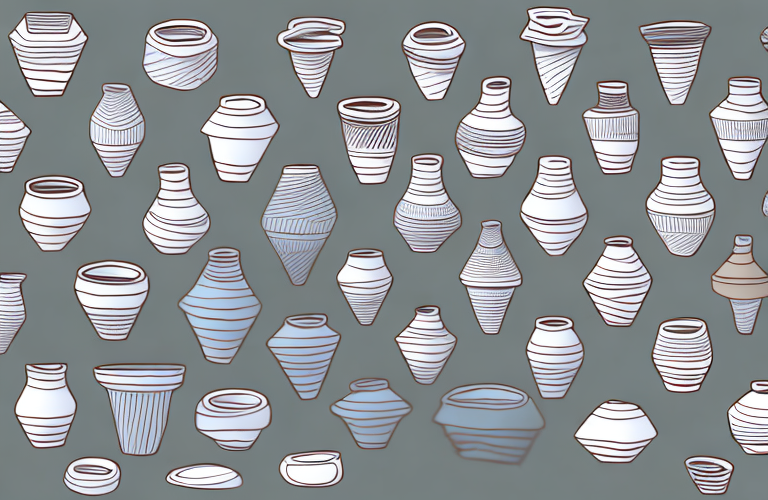
The type of clay you choose to work with will greatly affect how hard it gets when it is fired. Common types of clay used for creating sculptures, ceramics, and pottery are earthenware clay, stoneware clay, porcelain clay, and polymer clays. All of these types of clays have different properties, including how much they shrink when fired and how porous they become.
Earthenware clays shrink more than other clays, so they tend to become stronger and more brittle. This type of clay also has a lower firing temperature than other clays and is porous when unfired. It is most commonly used for creating dinnerware or dinnerware-like objects.
Stoneware clay has a higher firing temperature and is the most versatile for firing, as it can withstand high firing temperatures without becoming overly fragile. It has a greater shrinkage rate than porcelain clay, so it becomes less porous as it is fired. This clay is often used for creating sculptural pieces and larger vessels.
Porcelain clay has a higher firing temperature than stoneware and is composed of small particles that are very fine and tight together. This clay shrinks very little when fired and becomes increasingly non-porous and strong. Porcelain is typically used to create small work such as jewelry, figurines, and vases.
Finally, polymer clays are low fire clay that comes in a variety of colors and can be cured in a home oven. Polymer clay pieces are often finished off with varnish, but it is not necessary in order for a piece to harden.
The Process of Hardening Clay
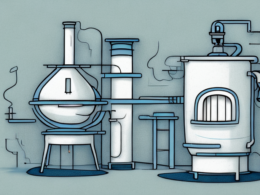
The process of hardening clay requires heating it in a kiln or oven in an effort to drive off just the right amount of moisture and water content from the object to create a permanent form. This process is known as ‘bisque firing’. Different clays need to be bisque fired at different temperatures for different lengths of time in order to achieve the desired level of hardness. Bisque firing can be done either as part of the glazing process or as a stand-alone process if the desired result does not require glaze.
Working with Clay to Achieve Hardness
Apart from bisque firing, there are many ways to work with clay in order to achieve hardness. One way is to use a clay-slip mixture to adhere two pieces of clay together before they are fired. This mixture hardens at a low temperature and helps to create a stronger bond between the two pieces of clay. Another way is to use bonfire-glaze, which is a type of glaze that is fired at a higher temperature than most other glazes and produces a particularly strong finish.
Benefits of Hardened Clay
When clay is fired at a high enough temperature and for long enough period of time, the water content located within the clay with vaporize and be released from the surface. This leaves behind an object that is harder, less porous, and not prone to cracking or breaking apart due to environmental factors. Hardened clay is also less likely to absorb materials such as oils or dirt.
Different Uses for Hardened Clay
Hardened clay has many uses both inside and outside the art and craft worlds. Besides being used for creating sculptures and other art items, hardened clay tiles can be used as wall art or as part of kitchen backsplashes. Ceramics which have been fired can also be used to make functional pots and dishes which are food safe.
Tips for Working with Clay to Achieve Hardness
In order to achieve the best results when working with clay, it helps to understand the properties of the specific type of clay you plan on using. The amount of firing time required will depend on the thickness of the object as well as how much water content is released post-firing. If your piece cracks during the firing process, it could mean that you need to fire it for a bit longer before removing it from the kiln or oven.
Troubleshooting Common Issues with Hardening Clay
For best results, make sure that all your objects are similarly-sized in order to keep the firing time consistent. Also make sure that you control temperatures when firing more than one piece at a time – lower temperatures can lead to less successful results. If your pieces are fired too quickly they may become overly brittle, so it is important to follow all safety guidelines when firing your clay.
Alternatives to Hardening Clay
If you’re looking for an alternative to hardening your clay in an oven or kiln, there are other options to consider. There are many types of pre-molded or pre-shaped clays that can be air dried instead of being fired. Air drying takes much longer to complete than oven or kiln drying, but you can still get interesting results if you take your time with the process.
Conclusion
Hardening clay is an integral part of the artwork or craft-making process, as it makes pieces more durable and reduces the chances of them breaking over time. Different types of clay will require different hardening techniques, and artists should take into account the properties of each type before selecting which type of clay they plan on working with. After understanding how to bisque fire their clay objects, they should also be mindful of proper safety precautions while doing so.