Bisque firing is an important process in ceramics, pottery, and sculpting. Bisque firing involves subjecting clay, sculptures, and pottery to extreme heat between 900 – 1000 degrees Celsius. Completing the bisque firing process correctly helps ensure a strong and long-lasting final product. Many ceramists and potters ask the same question: can you bisque fire twice?
What is bisque firing?
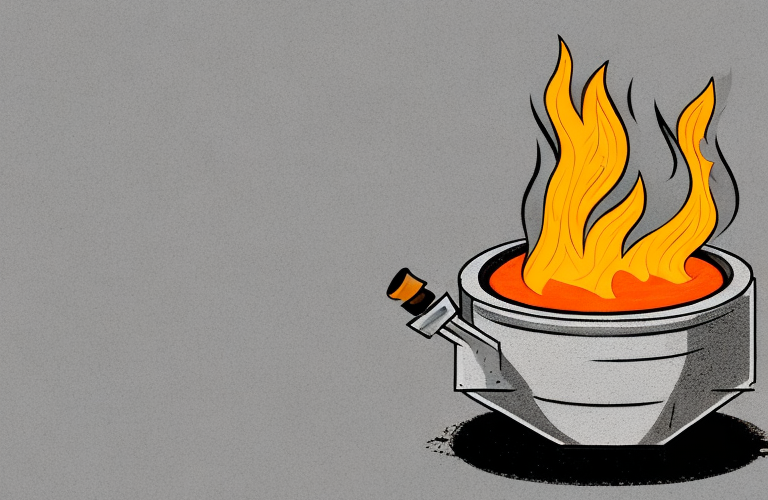
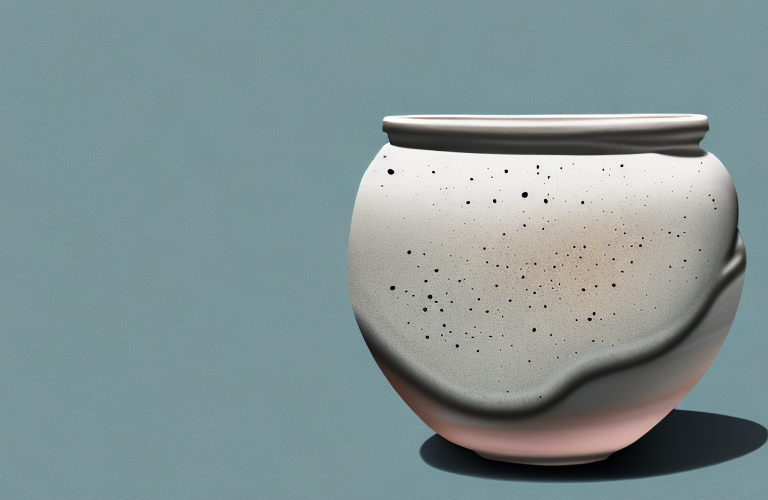
Bisque firing refers to a type of kiln firing that you can use to harden pieces before glazing them. This process removes all moisture from the piece, giving it greater strength and durability. During this firing process, the clays reach temperatures of between 900 – 1000 degrees Celsius, the heat of which fuses and bond the clay particles together to give your pieces solidity and stability.
Using the bisque firing process is especially important when working with porous or delicate clay pieces. Pieces that are left to air dry are prone to breaking or cracking, while pieces that go through bisque firing are hard and strong.
Benefits of Bisque Firing
Besides making your work more durable, there are several benefits to bisque firing. Bisque firing all but eliminates any impurities or organic matter in the clay and glue particles together for an even, solid surface. It also ensures that the glaze sticks to the clay better by removing moisture from the surface.
The durability provided from bisque firing also helps to reduce breakage and cracking of pieces. Pieces that have been bisque fired tend to last longer, be less vulnerable to chipping, and remain bright and colorful even after going through multiple firings.
Types of Bisque Firing
Bisque firing can be done in two different ways. The first is a low-temperature bisque fire. This involves subjecting the pieces to temperatures ranging from 650 – 950 degrees Celsius for a shorter period of time. The second type of bisque firing is a high-temperature bisque firingthat requires the pieces to be fired between 900 – 1000 degrees Celsius for a longer period of time.
Depending on what type of clay or sculptural material you are working with, one technique may be better suited than the other. For example, if you are working with an unusually hard or dense clay, a high-temperature bisque firing may be necessary.
Step-by-Step Process of Bisque Firing
Before beginning the bisque firing process, it is important to make sure the piece is ready for the heat. This means that it should be dried completely and any decorating glazes should be applied to the piece appropriately. Pieces that have been inadequately dried may fracture or explode during the firing procedure.
Once the pieces have been adequately prepped, they should be loaded into the kiln. The kiln temperature should then be set to between 900 – 1000 degrees Celsius. The pieces should remain in the kiln until they reach a yellowish-orange color. This should take anywhere between one to two hours.
Once the firing is complete, the pieces should be removed from the kiln and allowed to cool completely. This cooling process can take anywhere from twelve to twenty-four hours, depending on the size of each piece.
Tips for Successful Bisque Firing
Ensuring proper ventilation when firing is important as well. Bisque firing can produce strong smell and fumes, so it is essential that adequate ventilation is provided by either a vent in your kiln room or an external fan.
Using the correct type of fuel for your kiln is also important. Different types of fuel will heat up your kiln at different speeds, which can affect the quality of your finished product. For this reason, it is important to make sure that you use the correct type of fuel for your particular kiln model.
Common Problems with Bisque Firing
Sometimes, during the bisque firing process, pieces can become brittle and weakened due to over-firing. This can cause cracking or breakage of the piece once it is removed from the kiln, so it is important to make sure that your pieces do not get over-fired by monitoring and accurately setting your kiln temperature.
Underfiring a piece can also cause issues. Pottery or sculpture pieces that have not been bisque fired at a high enough temperature may retain some moisture which can lead to them sticking together in the kiln. To avoid this, make sure your pieces are thoroughly dried before firing them.
Troubleshooting Bisque Firing Issues
If at any point during your bisque firing process you notice issues such as breakage, cracking, or sticking together of pieces, there are some steps you can take to try and troubleshoot the problem. First, make sure that your kiln temperature is set accurately and that your pieces do not get over-fired or under-fired.
If you suspect that your pieces are sticking together due to residual moisture, try soaking them in water before drying them completely before trying again. If your pieces are still not turning out correctly after this second attempt, you may need to consider using alternative methods for bisque firing.
Alternative Methods for Bisque Firing
If you are having difficulty achieving satisfactory results with traditional bisque firing methods, there are some alternative methods you can try. Microwave ceramics are one such example. By making use of clay that has been treated specifically for microwaving, you can fire pieces up to 600 degrees Celsius using only a microwave oven.
Another alternative method is solar-ceramics or raku ceramics. This involves placing your pieces in a preheated ceramic container and exposing them to direct sunlight up until they reach a temperature of 500 degrees Celsius.
Conclusion
As you can see, bisque firing is an important part of ceramics or sculpting process. If done correctly it can greatly add to the strength and durability of your finished product. Many potters ask if they can bisque fire twice; yes, it is possible though it is not recommended as it could cause problems with overfiring or underfiring your pieces if done incorrectly.
Should you find yourself having difficulties achieving satisfactory results through traditional firings, there are alternative methods available such as microwave ceramics or solar-ceramics. It is important to know all your options when attempting any ceramic work – so consider these other alternative methods if ever needed!