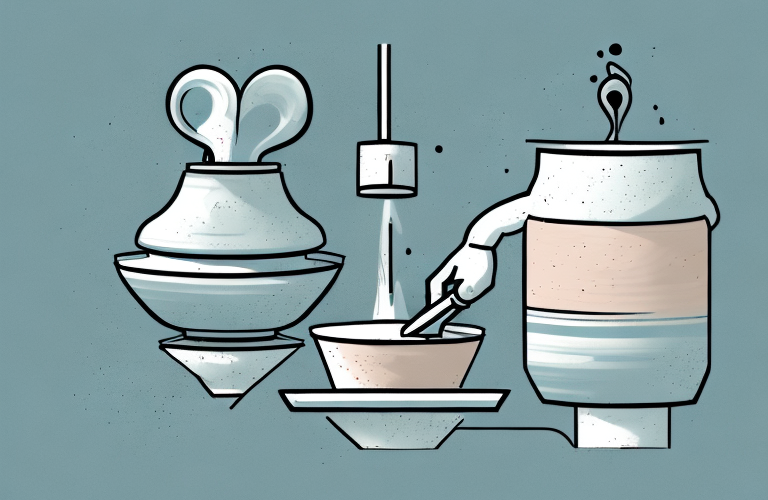


Hand building is an art form that involves creating sculptural and functional pieces without the use of a pottery wheel. It’s a great way to make functional wares, sculptures, and other artistic pieces that can make a great addition to your home or even a great gift. It also has the added benefit of being much less expensive than using a pottery wheel. In this article, we will discuss the four main hand building techniques and provide tips for successful hand building.
Overview of Hand Building Techniques
Hand building is an ancient art – the earliest forms of pottery were all made by hand. It involves manipulating clay into forms by hand and is one of the simplest and most versatile techniques for creating ceramic objects. The four main hand building techniques are slab, coil, pinching, and sculpting.
Slab building involves rolling out a flat sheet of clay and cutting, joining, and shaping it into the desired form. Coil building involves rolling out long, thin coils of clay and stacking them to form the desired shape. Pinching involves using the fingers to pinch and shape the clay into the desired form. Sculpting involves using tools to carve and shape the clay into the desired form.
Slab Technique
The slab technique involves rolling out a slab of clay and cutting it into shapes. You can create boxes, trays, tiles and more with this technique. This technique is used to make dishes, bowls, tiles and more. It usually involves using a template to create perfect shapes.
The slab technique is a great way to create unique and interesting pieces of pottery. You can use different colors of clay to create interesting patterns and designs. You can also use different textures and finishes to create a variety of looks. The slab technique is a great way to express your creativity and make beautiful pieces of pottery.
Coil Technique
The coil technique is an ancient technique that involves rolling out coils of clay, slapping them down and joining them together to create beautiful forms. Coiled pieces are often used to make pots, vases, tea cups and more. This technique is great for beginners because it’s easy to control.
The coil technique is also a great way to create intricate designs and patterns. By using different colors of clay, you can create stunning designs that will add a unique touch to your pieces. You can also use different sizes of coils to create different textures and shapes. With a little practice, you can create beautiful pieces of art with the coil technique.
Pinching Technique
The pinch technique involves pinching the clay between your fingers or a tool such as a loop tool or needle tool. It’s great for creating symmetrical shapes. Artists often use this technique to create cups, vases, masks, figurines and more. This technique also allows artists to create intricate and textured surfaces.
Sculpting Technique
The sculpting technique is great for creating more organic forms like sculptures and figures. The technique involves using tools such as scrapers and sculpting tools, or even just your hands, to carve, shape, add texture and carve the clay. This technique is often used to create figures and animals.
Benefits of Hand building Techniques
There are many benefits to using hand building techniques. Hand building is a great way to create unique, one-of-a-kind pieces. It’s also a great way for beginners to get acquainted with clay since it requires minimal equipment and is relatively straightforward. Hand building is also very forgiving – since it’s done by hand, errors can easily be corrected.
Tips for Successful Hand Building
When hand building pottery, it’s important to remember that clay behaves differently when it is wet versus when it is dry. When working with wet clay, keep it covered until you are ready to use it so it doesn’t dry out too quickly. If it becomes too dry, it will not hold its shape. It’s also important to use even pressure when working with the clay. Too much pressure can cause the clay to crack or distort the shape.
Common Mistakes to Avoid in Hand Building
When using the slab, coil, pinching or sculpting techniques, it’s important to remember that the clay can easily get off-balance or uneven when manipulated or stretched too thin or too thick. Before joining pieces together, it’s important to make sure they are evenly stretched and symmetrical. It’s also important to shape each piece before joining them together so that your finished piece doesn’t look misshapen or unbalanced.
Examples of Hand Building Projects
Hand building techniques can be used for a variety of projects including bowls, mugs, platters, vases and many other functional and decorative items. Some common examples include coil bowls, slab trays, pinch pots, and sculpted figures and animals.
Conclusion
Hand building techniques are a great way to create unique and beautiful pieces without needing access to a pottery wheel. There are four main hand building techniques: slab building, coil building, pinching, and sculpting. Each of these techniques provides its own benefits, allowing you to explore a variety of forms and create projects that fit your style. We hope this article has given you an overview of the different hand building techniques and tips on how best to use them!