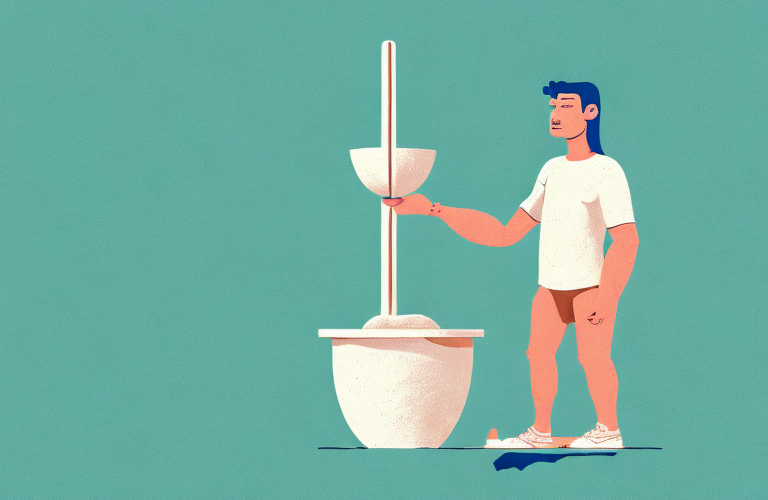
Clay is a popular medium for art and pottery, and a key part of using clay is the wedging process. Wedging is essential to ensure the clay is soft enough to work with, that there are no air bubbles in the clay, and that it is without lumps. The question of how many times a new clay should be wedged before use is an important one that can have a major impact on the quality of your work. In this article, we will cover reasons to wedge clay, the benefits of wedging, mistakes to avoid, tools you need, step-by-step instructions on how to wedge, tips for successful wedging, troubleshooting techniques, and alternatives to wedging.
Reasons to Wedge Clay Before Use
Wedging is the process of kneading and folding the clay in order to make it malleable and free from air bubbles and lumps. This is an important step in working with clay and should not be skipped. Clay that is not wedged properly may be prone to cracking or breaking and produce less than satisfactory results. Additionally, proper wedging can help to create an even, smooth texture which is necessary for most ceramic projects.
Benefits of Wedging New Clay
Wedging clay helps to eliminate air bubbles which can cause uneven firing in the kiln and can lead to cracking or even exploding pieces. It also helps to create an even consistency and texture in the clay so it is more malleable and easier to work with. Proper wedging allows for a more even drying time, free from air pockets which can cause warping or cracking. Finally, wedging helps to create a much stronger and more durable piece when fired in the kiln.
Common Mistakes to Avoid when Wedging New Clay
One of the most common mistakes made when wedging clay is not taking the time to do it properly. This can leave lumps or air pockets which can lead to cracking or uneven firing. It is also important not to rush through the process as it can result in overworking the clay which makes it too soft and easier to deform when handled. Finally, make sure to use enough pressure to ensure that all the air bubbles are pressed out of the clay.
Tools Needed for Wedging New Clay
Wedging clay does not require any specialized tools, as most people already have everything needed on hand. All that is needed is a clean working space, an empty container for the clay, a rolling pin or other tool for kneading the clay, and a flat surface such as a cutting board or sheet of glass to work on.
Step-by-Step Guide to Wedging New Clay
The first step in wedging clay is to break off a small piece of clay from the main bulk. This should be done carefully to ensure that it is the same size and shape as the main block. Once the piece has been removed, place it on a flat surface. Use firm pressure to roll the clay back and forth until it begins to flatten out. Once it has flattened, turn it over and press down with your hands. Finally, fold it in half and then roll it again.
Repeat this process five or six times until the clay has become soft and pliable. Make sure to check frequently for any air bubbles and press them out if they become visible. Once the clay has been properly wedged it can then be divide into smaller pieces or used as desired.
Tips for Effective Wedging of New Clay
To ensure that your wedging process produces optimal results, there are a few helpful tips and tricks you can follow. Make sure that you have evenly sized pieces of clay as uneven pieces may take longer to wedge. Additionally, make sure that you have a firm surface to work on and enough space for working the clay comfortably. Make sure to apply pressure when rolling the clay back and forth and be sure not to knead it too much.
Troubleshooting Techniques for Difficult Wedging of New Clay
Occasionally, new clay can be difficult to wedge properly due to its hard texture. In this case it can help to add a small amount of water in order to make it more bendable. If water alone isn’t enough, add a small amount of wood glue or another type of binder in order to soften up the clay. Additionally, you may need to increase the amount of wedging done, as some clays will require more than others.
Alternatives to Wedging New Clay
If you don’t have time or don’t want to wedge your new clay, there are a couple of alternative options you can try. One option is to purchase pre-wedged or preconditioned clay which has already gone through the wedging process and ready for use. This can save time and help ensure that any air bubbles have already been pressed out of the clay. Another option is to use alternative clays such as modeling clay which does not require wedging.
No matter which option you choose, always make sure you take the time needed for wedging new clay for optimal results. Wedging your new clay before use can help ensure that you get the most out of your projects and help avoid many common pitfalls that come with working with clay.