
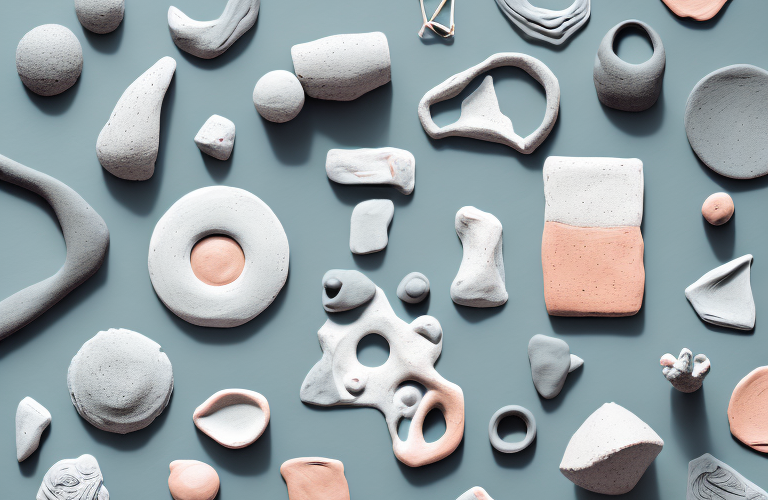
Creativity and craftsmanship come together when you use hand building techniques to create wonderful objects out of clay. By combining the right techniques, you can create shapes and forms that bring an added dimension to your projects. But what are the 5 hand building techniques of clay?
Overview of Hand Building
Using hand building techniques, you form raw clay into a desired shape. There are several hand building techniques available, the most common being coiling, pinching, slab building, and extruding. Each technique offers artists a unique way to turn their vision into reality.
Coiling is a technique that involves rolling out a long, thin strip of clay and then wrapping it around itself in a spiral shape. Pinching is a technique that involves using your fingers to shape the clay into a desired form. Slab building is a technique that involves rolling out a flat sheet of clay and then cutting and joining it together to form a desired shape. Extruding is a technique that involves pushing clay through a die to create a uniform shape.
Coiling
Coiling is one of the oldest pottery techniques. In coiling, you use thin strips of clay, or coils, and layer them on top of each other to form the shape you desire. This technique can be used to make everything from vases and cups to sculptures. As you build up the coils, you can adjust the form to achieve the desired shape.
When coiling, it is important to ensure that the coils are firmly pressed together. This will help to create a strong and durable structure. Additionally, it is important to use a tool to smooth out the surface of the clay as you work. This will help to create a more even and aesthetically pleasing finish.
Pinching
Pinching is another popular technique for hand building with clay. This method involves using your fingers to pinch and squeeze hard pieces of clay into the desired shape. This technique is great for smaller objects such as jewelry and figurines. You can also use it to fill in details in larger pieces of work.
When using the pinching technique, it is important to make sure that the clay is moist enough to be manipulated. If the clay is too dry, it will be difficult to shape and may crack. Additionally, it is important to use even pressure when pinching the clay to ensure that the shape is even and symmetrical.
Slab Building
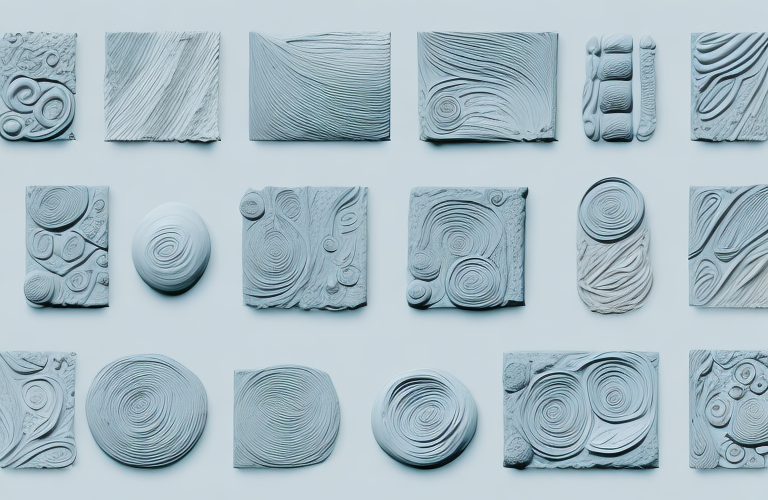
Slab building is a method of constructing objects by rolling out flat clay sheets, called slabs, and cutting them into the desired shapes. Slab building offers artists another way to add texture and dimension to their pieces. Many potters combine thin and thick slabs to create more complex designs.
Slab building is a versatile technique that can be used to create a variety of objects, from functional pottery to decorative sculptures. The slabs can be decorated with stamps, textures, and other embellishments before they are cut and assembled. Slab building is a great way to explore different shapes and forms, and to experiment with different surface treatments.
Extruding
Extruding is a method of pushing soft clay through a die or tool to form long thin strands. These strands can then be cut into the desired shape and size and applied to other pieces of clay to create complex pieces. Extruding is commonly used to make handles for cups, pitchers, and pitchers.
Extruding can also be used to create decorative elements such as beads, coils, and other shapes. It is a versatile technique that can be used to create a variety of shapes and sizes. Additionally, extruding can be used to create intricate patterns and designs on the surface of the clay.
How to Use Each Technique
It takes practice to become proficient in any of these clay hand building techniques. You’ll need to put time and effort into understanding each one: how it works, the tools needed, and how to achieve the desired results. You may also need to experiment with different combinations to find out what works best for you.
Tips for Successful Hand Building
Successful hand building is based on having good clay-working skills, having a good understanding of the techniques, being patient, and taking the right safety precautions. Make sure you’re working with clean hands and use a damp cloth to wipe away excess clay. When working with coils or slabs, keep them thin so they’re easier to work with. When forming with pinch pottery or extrusion, ensure that the clay is soft enough so that it’s pliable during the shaping process.
Benefits of Using Hand Building Techniques
Using these hand building techniques are rewarding; you can take pride in your craftsmanship as you create unique pieces for yourself or for your customers. Hand building is also a cost-effective way to create small or large batches of your work without having to invest in costly tools or machinery.
Conclusion
Hand building with clay is an enjoyable yet challenging activity. Once you understand the basics you can use these five techniques – coiling, pinching, slab building, and extruding – to create beautiful pieces of art. With practice and patience, it won’t be long before you’re churning out delightful masterpieces.