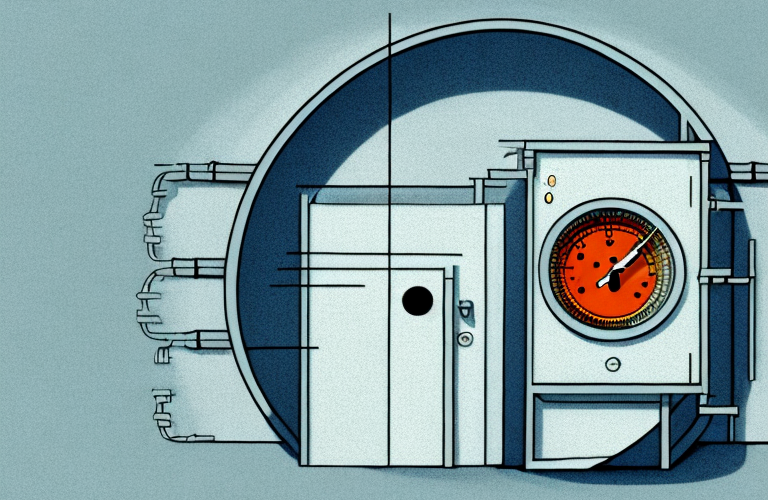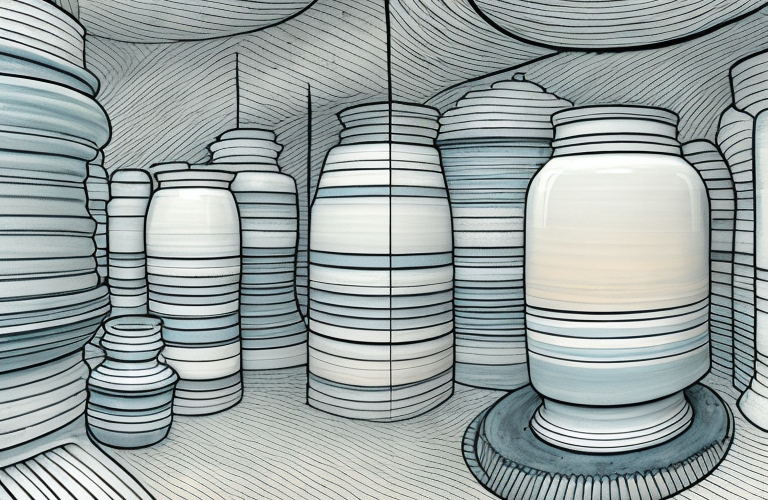

Working with glazes and bisques can be a tricky balance for potters. If you’re wondering whether you can you fire bisque and glaze together, the short answer is: it depends. In this article, we explore the reasons why firing bisque and glaze together may not be the best idea, and how to properly fire the two separately. We also look at the advantages and disadvantages of firing them together, as well as safety precautions and alternatives.
What is Bisque?
Bisque is a type of unglazed pottery that has been fired once, usually up to temperatures of around 1000°–1200°C. It is most commonly made using stoneware or earthenware clay, which has been fired to burn off any organic matter. Bisque is harder and denser than clay, yet still porous, which allows it to absorb moisture without shrinking or cracking. Bisque is friable and brittle, so it needs to be handled carefully.
What is Glaze?
Glaze is a type of glass-like material used to coat pottery, usually with a brush or sprayed on. It is generally made from powdered materials such as silica, alumina, fluxes and metal oxides that have been melted together to form a glossy, shiny coating. Glazes come in an array of glossy and matte finishes, vibrant colors, and may be translucent or opaque. Glazes are typically applied to bisque to enhance the color and texture of the clay.
Why Shouldn’t Bisque and Glaze be Fired Together?
In general, it’s best to not fire bisque and glaze together. This is because the two materials have different firing temperatures – bisque is typically fired around 1000°–1200°C, whereas a glaze usually needs to reach a much higher temperature, up to 1300°C or higher. Having two materials with different firing temperatures means that one will be over-fired, resulting in poor adhesion or discoloration.
How to Fire Bisque and Glaze Separately
In order to fire your bisque and glaze separately, you must first make sure you’ve given the bisque plenty of time to dry out fully before attempting to glaze. Depending on your climate and the size of your piece, this could take anywhere from one to seven days. You can then brush or spray the glaze onto the bisque evenly, taking care not to leave any bare patches. Once you’ve allowed the glaze to dry overnight, you can then fire the glazed piece in your kiln at the recommended temperature – usually 1300°-1450° depending on the glaze you’re using.
Tips for Firing Bisque and Glaze Together
If you decide to fire bisque and glaze together in one firing, it’s important to note that you should use a low temp glaze and fire at low temperatures – no higher than 1180°C for earthenware and 1280°C for stoneware. Never fire any item above its plastic temperature (when the clay is soft enough to deform) as this will lead to cracking. Additionally, if you decide to fire bisque and glaze together, avoid large pieces, as bigger pieces will take longer to dry out before firing starts.
Advantages of Firing Bisque and Glaze Together
Firing bisque and glaze together is an attractive option for many potters as it saves both time and money. By having only one firing, potters only need to purchase one type of fuel and one firing chamber, meaning there’s less expense involved compared to having two separate firings. As there’s less time spent on firing and cooling down between firings, there’s also less labor involved compared to having separate firings.
Disadvantages of Firing Bisque and Glaze Together
The main drawback of firing bisque and glaze together is that it can be difficult to control the temperature accurately and thus can lead to colour shifts, poor adhesion or cracking of the glaze. Additionally, any pinholing or blistering caused by air bubbles in the glaze can become worse when fired at high temperatures. This means it’s important to use a low temp glaze when firing bisque and glaze together.
Alternatives to Firing Bisque and Glaze Together
Although it may not always be possible to guarantee a successful bisque/glaze firing due to temperature control issues, there are alternatives which may be preferable. One option is to fire your bisque in a cone 05-00 kiln to 940°–1000°C and then fire your glazed piece in a warmer kiln (e.g. cone 7) at a higher temperature. This should ensure that both pieces turn out well without any issues arising from uneven temperatures or poor adhesion caused by over-firing.
Safety Precautions when Firing Bisque and Glaze Together
Whichever method you decide to use when firing bisque and glaze together (or separately), it is important that potters take certain safety precautions before beginning. This includes wearing protective clothing such as heat resistant gloves, eye protection and something to cover your legs/arms as appropriate. Make sure your kiln is in good working order and keep children away from the area while firing. Finally, always ensure that you read the manufacturer’s instructions or obtain professional advice if unsure.
Whether you decide to fire your bisque and glaze together or separately will depend on your kiln’s capability and the type of glazes being used. Be sure to take into account the advantages and disadvantages of each method before making a decision.