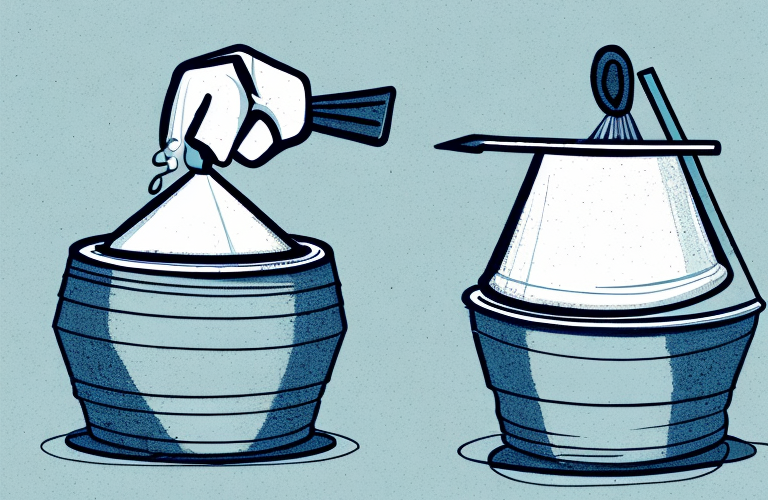


The drying process is key when dealing with clay, so it’s no wonder that people often ask whether it’s better to dry it in hot or cold temperatures. This article answers that question and provides detailed information about the science behind clay drying, the factors that affect the process, and the best practices for drying clay. Additionally, it talks about the different types of clay and their respective drying requirements, as well as common mistakes to avoid when drying clay.
The Science Behind Clay Drying
To better understand how temperature affects the drying process of clay, one must first understand the science behind it. Clay is made up of tiny particles that soak up moisture from the air. When heated, this moisture evaporates and the clay particles shrink and harden, making them easier to work with. As such, the hotter the temperature, the faster the evaporation process, meaning that the clay dries faster.
The drying process of clay can also be affected by the humidity of the environment. If the air is humid, the clay will take longer to dry as the moisture in the air will slow down the evaporation process. Additionally, the type of clay used can also affect the drying time. Different types of clay have different levels of porosity, which can affect how quickly the moisture is able to evaporate.
How Temperature Affects the Drying Process
The temperature at which you dry clay significantly affects the speed at which it dries. Clay dries faster at higher temperatures because higher temperatures mean increased evaporation and therefore faster drying times. Furthermore, the humidity levels in the air will also affect the speed of drying. If it is too humid, the moisture in the air will slow down the evaporation process, making it harder for the clay to dry.
When drying clay, it is important to keep an eye on the temperature and humidity levels in the room. If the temperature is too high, the clay can crack or warp. If the humidity is too high, the clay can become too soft and difficult to work with. It is important to find the right balance between temperature and humidity to ensure the clay dries properly.
What Factors Can Speed Up or Slow Down Clay Drying?
Aside from temperature and humidity, a few other factors can affect how quickly clay dries. These include how thick the clay is and how porous it is. Thicker pieces of clay take longer to dry than thinner pieces because they contain more moisture to evaporate out. On the other hand, more porous pieces of clay tend to dry faster since they do not retain as much moisture. Additionally, wind can speed up the drying process since it helps to disperse moisture in the air.
The type of clay can also affect drying time. For example, earthenware clay is more porous than stoneware clay, so it will dry faster. Additionally, the type of glaze used on the clay can also affect drying time. Glazes that contain a lot of water can slow down the drying process, while glazes with less water can speed it up.
Best Practices for Drying Clay
When drying clay, it is important to keep a few best practices in mind. First, make sure that you are drying in a well-ventilated space, as this will help ensure that the air stays at a consistent temperature and humidity level to ensure proper drying. Additionally, you should take care to use low heat settings so as not to damage the clay during the drying process. Lastly, make sure that you check on your clay regularly during the drying process in order to ensure that it does not dry too quickly or too slowly.
Different Types of Clay and Their Drying Requirements
The type of clay used will also determine its drying requirements. For example, air-dry clay is usually dried slowly in a cool atmosphere whereas oven-bake clay must be dried quickly in a hot oven. Additionally, some clays require wetting before they can be dried properly; in this case, you should use a damp sponge to wet the clay before putting it in a warm place to dry. It is important to follow the instructions on the package carefully to ensure proper drying.
Common Mistakes to Avoid When Drying Clay
There are several common mistakes that people make when drying clay. For instance, some people try to speed up the process by using a hair dryer or a heat gun, which can end up damaging the clay or even creating a fire hazard if not done correctly. Additionally, it’s important not to leave the clay out in an environment with high levels of moisture, as this can lead to mold growth. Lastly, never leave clay in direct sunlight as it can get damaged from exposure to ultraviolet radiation.
Conclusion
In conclusion, clay dries faster in hot versus cold temperatures. However, other factors such as humidity levels and type of clay used should also be taken into account in order to ensure that your clay dries properly and quickly. It is also important to remember not to make any common mistakes such as using a hair dryer or leaving your clay out in an environment with high levels of moisture.