
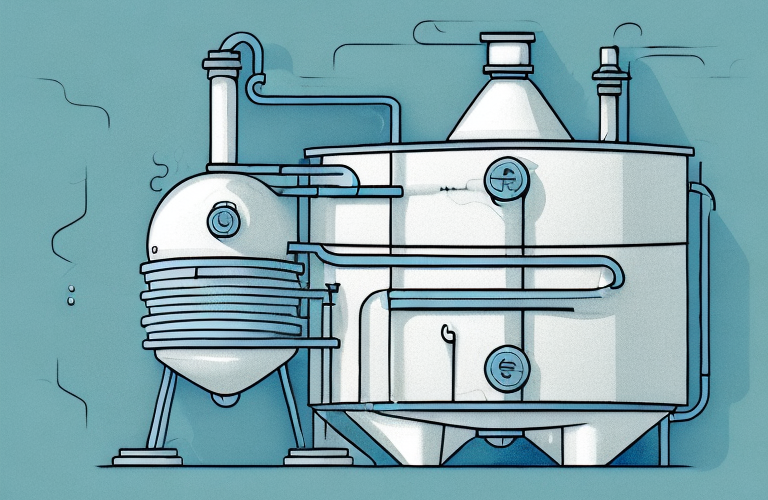
Kilns are important tools when it comes to crafts and hobbies. A kiln is a device used to heat and bake materials, usually at a very high temperature. Clay, glass, metal, and other materials can be fired in a kiln to make decorative pieces or products. As their use has become more popular, people have questioned whether these devices need to be vented when in use.
What is a Kiln?
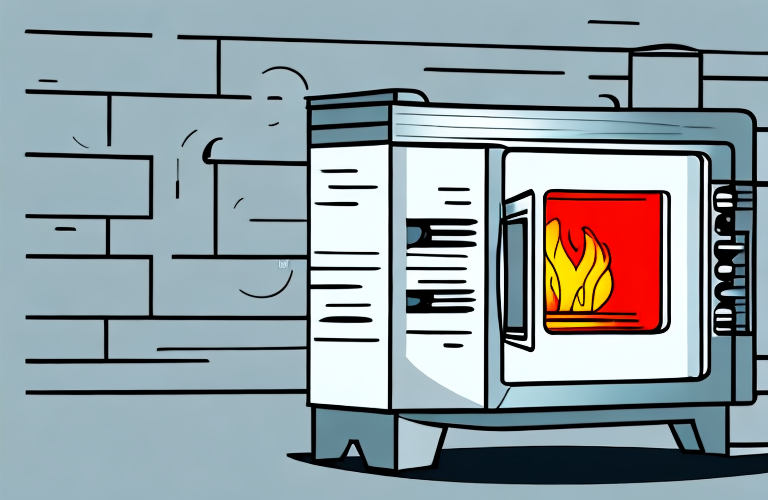
Kilns are essentially ovens that reach incredibly high temperatures. They range in size from small table-top models to large, industrial units. Most are heated by electricity or gas, and can reach temperatures up to 2,200°F. They can be used for a range of projects, such as ceramics, pottery, metal work, jewelry, stained glass, and more.
Kilns are also used in the production of charcoal, lime, and cement. They are also used in the firing of bricks and tiles, and in the production of glass. Kilns are also used in the production of food, such as dried fruits and vegetables, and in the curing of tobacco. In addition, kilns are used in the production of pottery, ceramics, and glassware.
Benefits of Venting a Kiln
Venting a kiln has many benefits that should not be overlooked. The biggest advantage of venting is safety. Without proper ventilation, the heat generated by a kiln can pose a real fire hazard. Vented kilns also tend to reach higher temperatures more quickly, since the heat does not build up in the room and instead dissipates through the vent. This can save time and energy in the long run.
In addition to safety and efficiency, venting a kiln can also help to reduce the amount of dust and debris that accumulates in the kiln room. This can help to keep the air quality in the room at a safe level, and can also help to reduce the amount of maintenance required to keep the kiln in good working order.
Reasons to Vent a Kiln
The reasons for venting a kiln depend on the size and model of the kiln, as well as the project you are trying to complete. Smaller desktop kilns are usually vent-free, while larger ones may require some kind of ventilation system. If you plan to fire pieces at extremely high temperatures or in large batches, you may need to install a vent.
Venting a kiln is important for safety reasons, as it helps to reduce the risk of fire and smoke damage. It also helps to keep the kiln environment clean and free of dust and debris. Additionally, venting a kiln can help to reduce the amount of heat that is lost during the firing process, which can help to save energy and money.
Types of Kiln Vents
There are several types of vents that can be used for a kiln, depending on the size and purpose of the kiln. Vents can range from simple hoods that draw air from the room, to more elaborate systems that utilize fans or tubes to connect to an outside area. Some vents also use filters and exhaust fans to ensure that the air is properly circulated.
When selecting a vent for a kiln, it is important to consider the size of the kiln and the type of materials that will be fired. For example, a kiln that is used to fire clay or other materials that produce smoke or fumes may require a more powerful venting system than one used for firing glass or ceramics. Additionally, the vent should be designed to ensure that the air is properly circulated and that the kiln is not exposed to excessive heat or smoke.
How to Vent a Kiln
Venting a kiln requires some technical know-how, and is best done by an experienced technician. Depending on the size and model of your kiln, you may need to install an exhaust fan or an insulated vent pipe. This process should include measuring, drilling holes, and securing the venting materials. Once complete, the vent should be connected to an appropriate power source and tested.
Safety Tips for Venting a Kiln
When installing a venting system for your kiln, it’s important to be aware of all safety concerns. Make sure that your vents are properly installed and insulated, and have no exposed wiring or flammable materials nearby. It’s also important to check with local building codes to make sure your vent meets all safety requirements.
Considerations for Venting a Kiln
When it comes to venting a kiln, there are several factors you should consider. First and foremost, the size of your kiln is key: larger models will require more powerful vents and an exhaust fan for optimal performance. Additionally, you should keep in mind how often you use your kiln—more frequent firing sessions may require more powerful ventilation systems.
Summary and Conclusions
When it comes to firing a kiln safely and effectively, venting is key. A good venting system can reduce the risk of fires and other hazards associated with high-heat craft projects. Different kinds of vents are available depending on the size of your kiln and the scope of your project, and installation should always be done by an experienced technician. Ultimately, venting your kiln is crucial for safety reasons, as well as for its potential performance gains.