
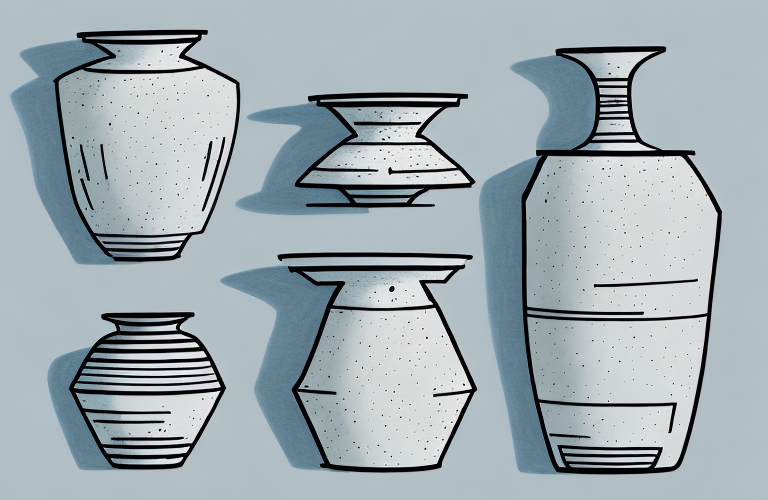
Pottery is a versatile form of art that has been around since ancient times and is still popular today. Whether creating pieces for functional use or for decoration, potters employ age-old techniques to turn a lump of clay into a beautiful final product. Today, there are three main types of pottery: raku, stoneware, and porcelain. In this article, we’ll take a look at each type of pottery and learn more about the history and origins of these different forms. We’ll also discuss the characteristics and benefits of creating and using pottery, as well as look at uses for different types, tips for working with pottery, popular artists working with pottery, and where to purchase or learn about different types of pottery.
A Look at the Different Types of Pottery
Raku pottery is a type of pottery that dates back to 16th century Japan. This type of pottery utilizes low-firing methods and can range from simple to complex in design. It is often characterized by a unique smoke finish that is created through the fast cooling process. The work tends to be fired at lower temperatures, often as low as 900-1050 degrees Celsius.
Stoneware pottery is an ancient craft that has been developed over the centuries and is made from clay and other organic components. Different types of glazes are used to give stoneware pottery its unique textures and finishes. Stoneware is notoriously durable, making the pieces more practical for day-to-day use, such as mugs or plates. Stoneware is also fired at higher temperatures that vary depending on the type of clay used, and ranges from 1200 degrees to as high as 1450 degrees Celsius.
Porcelain pottery is a type of fine china that has a delicate look, making it a popular choice for decorative items or fine dining sets. A specific type of clay is used to make porcelain, notably kaolin, which gives the product its trademark shine when glazed. Porcelain pieces are often fired at a much higher temperature than raku or stoneware pieces, hovering around 1200-1400 degrees Celsius.
The History and Origins of Pottery
Pottery dates back as far as 26,000 BCE and was made from natural materials such as clay and straw as early humans discovered how to heat-treat materials in order to create useful objects. As civilizations grew and technology advanced, pottery became an integral part of many cultures, not only for utilitarian purposes but also for religious ceremonies and decoration. In fact, pottery was so widespread that as time progressed each culture began to develop specific techniques and styles that were unique to that particular region.
The Characteristics of Each Type of Pottery
Raku pottery is instantly recognizable because of its bold, dramatic finishes. Often, the pieces feature deep black lines created from the unique cooling process. Raku pieces are usually left unglazed and fired at a lower temperature than other types of pottery, which makes it softer and more porous. This type of pottery can be used for functional and decorative items.
Stoneware is created through a combination of clays, minerals, and fire treatments. This type of pottery is known for its durability and functionality, making it great for mugs and plates. The pieces often have a simple yet classic style with muted or solid colors due to the firing process.
Porcelain is different from other types of pottery in that its primary material comes from kaolin clay. This material provides a signature smooth finish that also glimmers when a glaze is added. Pieces of porcelain tend to be much more delicate so they are usually used as decorative items or tableware for formal dinners.
The Benefits of Creating and Using Pottery
When creating pottery by hand, individuals can tap into a variety of cognitive benefits such as improved learning, memory, problem solving, focus, and stress reduction. Working with clay can also help create a sense of calmness in individuals by providing an escape from modern distractions and allowing them to zone into their own world. On top of all of these amazing benefits, working with pottery can be seen as a way of relaxation with its soothing motions and tactile feel.
Uses for Different Types of Pottery
Raku pottery pieces are used mostly for decorative purposes due to their low firing temperature and softness. While items such as jewelry boxes or decorative planters are common uses, this type of pottery can also be used to create personal items like mugs or jewelry.
Stoneware pottery is ideal for creating functional pieces that can withstand high temperatures and intense use. This makes this type of pottery great for mugs, plates, bowls, and even kitchenware. Due to its durability, stoneware pieces can last several years if taken care of correctly.
Porcelain pottery is mainly used for decorative purposes due to its temperature sensitivity. Porcelain pieces are often used to serve food or drink at celebrations like birthdays or anniversaries. This type of pottery can also be used to make sculptures or delicate figurines.
Tips for Working with Pottery
When working with pottery, it’s important to have the right tools to complete your project properly. Start by gathering all the necessary materials such as clay, glaze, tools, work board, and kiln. Before beginning your project it’s also vital to understand the firing process so that you know what temperature is right for your particular project.
When shaping your piece make sure that the clay is damp so that it’s easier to form but not so wet that it will collapse. Adding texture can also enhance your work by creating interesting designs or patterns. The drying process can take some time so leave plenty of time before beginning your firing process.
Popular Artists Working with Pottery
There are many talented artists from around the world who specialize in creating unique works with ceramic materials. Popular artists who work with ceramic materials include Ri Sun-min from South Korea who specializes in Raku pottery, Fujino Xawara from Japan who combines traditional Japanese techniques with contemporary influences in her work, and Rosenthal Dennis from the United States who creates intricate sculptures made from porcelain.
Where to Purchase or Learn About Different Types of Pottery
If you’re looking to purchase or learn more about different types of pottery there are several options to explore. You can find online vendors who carry various types of pottery such as Bisque ware & Raku ware USA. Local ceramic stores are also great resources where you can find supplies or even classes on how to create your own pieces.
Wherever you choose to purchase or learn more about different types of pottery always make sure that the vendor you select has good customer service so you can get any help needed before or after the purchase. It’s important to properly research each purchase you make to ensure that you’re getting exactly what you want.
Pottery is a timeless form of art that has been around for centuries. With different types like raku, stoneware and porcelain, there’s something special available for everyone interested in this crafty pastime! After reading this article we hope you feel more knowledgeable about these different kinds of pottery and have some ideas on where you can purchase or learn about them.