Pottery is a fun and challenging craft that offers endless possibilities to its practitioners. At its core, the three foundational techniques of hand building, wheel throwing, and slab building are the foundations of pottery and are used by potters of all skill levels to create beautiful and useful items from clay. In this article, we’ll explore these three pottery techniques in detail and discuss the tools and materials necessary for a successful pottery experience.
The Benefits of Pottery
Creating something with clay is a unique and rewarding experience. We often don’t realize the power of the act of creation until we’ve done it ourselves, and pottery is a great way to explore this concept. With pottery, you have near-unlimited possibilities and by learning the basics, you can create one-of-a-kind pieces of art and functional items. Pottery is also a great stress reliever and a wonderful way to be creative, no matter what skill level you’re at.
Hand Building Techniques
Hand building is one of the oldest ways of working with clay and is often used by beginners. It involves shaping, coiling, and pinching the clay into desired shapes and sizes. Hand building is a great way to explore the creative possibilities of clay without having to invest in a lot of tools or equipment. This method can be used to make functional items such as plates or mugs, or artistic pieces like sculptures.
Wheel Throwing Technique
Wheel throwing, also known as turning, is another popular pottery technique. A potter’s wheel is used to shape clay, quickly and efficiently. The wheel spins while the clay is pinched and pushed by the potter’s hands. This technique is best suited for making functional items such as bowls and pitchers, although it can be used to create art pieces as well. This technique requires more practice than hand building, but it has its own unique benefits.
Slab Building Technique
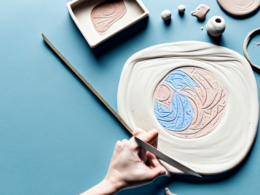
Slab building is another popular method of forming clay. It involves rolling out stiff clay into thin sheets or ‘slabs’ which are then cut, shaped, or draped over a form. Slab building is often used for making tiles and plates, but can also be used for larger sculptural forms such as lamps or figures. Slab building gives the potter great control over shapes and sizes, and allows for the creation of intricate designs.
Glazing and Firing Techniques
Once an artwork has been formed from clay, it must be fired in a kiln to give it strength and durability. There are many different firing techniques which can be used to achieve different effects. Glazing is an important part of this process as it adds color, texture, and sheen to the clay. Understanding the firing process can help the potter realize their most ambitious projects.
Tips for a Successful Pottery Experience
Pottery can be a great hobby or a career. There are many tips and tricks that one can use to have an enjoyable experience with pottery. The first is to have patience and not to fear making mistakes. Mistakes are to be expected when learning any craft, and understanding that they’re part of the process makes learning easier. Another tip is to research pottery techniques from experienced and trusted sources, this will help you get off to the best start.
Essential Pottery Tools and Materials
Having the right tools for the job makes things much easier when working with clay. For beginners, the most essential tools are a potter’s wheel, a few wedging tools (ribs, knives, etc.), some steel shaping tools, some wire tools for cutting pieces apart from one another and some ribs for smoothing out surfaces. Additional tools like wedging boards, rasps, spatulas, sponges and a banding wheel can be added to your tool arsenal as you become more experienced.
Popular Projects for Beginners
When first starting out, simple projects such as mugs, bowls, or plates are great ways to get started on your pottery journey. These projects are fun and challenging for even those without prior experience. Other popular projects for beginners include jewelry dishes, candleholders, coasters, keychains and vases.
Advanced Pottery Techniques
As you progress in skill level, there are more complex pottery techniques that you can explore. These include altering forms while they’re on the wheel, handbuilding with more intricate forms such as teapots or platters, decorating with slip trailed decorations or sgraffito designs, and working with stoneware clay to create higher fired pieces. All of these require a bit more practice but can lead to beautiful results.
Finding Inspiration for Pottery Projects
Finding inspiration for your projects can be a tricky task. Exploring other people’s work on sites such as Instagram can be a great source of creativity – seeing how others approach their work can help you find new ideas and techniques. Additionally, good old fashioned nature walks can be a great source of creative energy! Gather objects from nature for inspiration, or take photos to use as references for creating your own forms.
Pottery is a wonderful craft that provides endless possibilities for personal growth and creative exploration. With basic knowledge of the three main techniques – handbuilding, wheel throwing, and slab building – combined with understanding of glazing and firing techniques and essential tools and materials, any aspiring potter can be on their way to creating unique pieces of art!