Kilns have been used for centuries to fire ceramic and metal objects. They use either electricity or gas to reach high temperatures and can pose a risk of fire if they are not used correctly. Although the chances are slim, it is important to understand the hazards of kilns and how to use them safely.
What are the risks of fire in kilns?
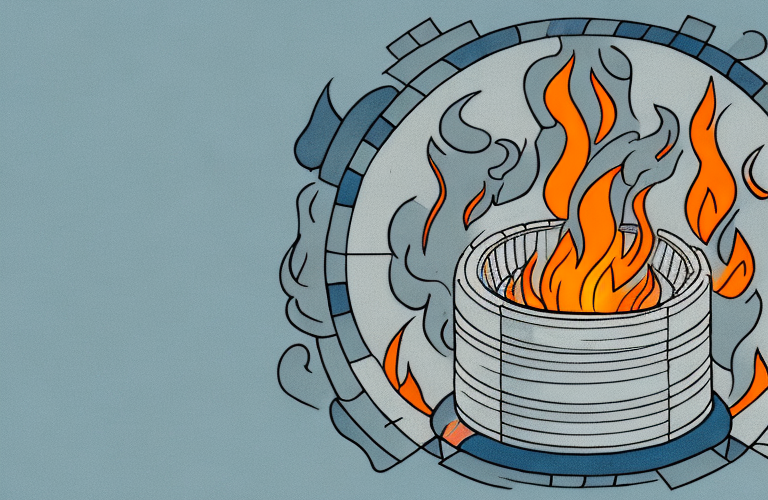
Kilns fire can reach temperatures of up to 2000°F and can be dangerous if not properly monitored and managed. Due to the high temperatures involved, small fires can quickly become out of control and spread rapidly. Even though the risk of an actual fire is small, the potential for damage is significant. Materials like combustible paper and glazes can be easily ignited and cause a devastating fire if left unattended.
It is important to take all necessary precautions when firing a kiln. This includes ensuring that the kiln is properly ventilated, that all combustible materials are kept away from the kiln, and that the kiln is monitored at all times. Additionally, it is important to have a fire extinguisher on hand in case of an emergency. Taking these steps can help to reduce the risk of a fire in a kiln.
How can you prevent a kiln fire?
The best way to prevent a kiln fire is to ensure that it is properly maintained and monitored. It is important to check the kiln regularly for any signs of wear and tear, and to check the electrical connections and wiring. It is also important to make sure that the kiln is not overloaded, as this can lead to a rapid increase in heat which could result in a fire. To help prevent a fire, make sure that the area around the kiln is clear of any combustible materials, such as papers and cloths.
It is also important to ensure that the kiln is not left unattended while it is in use. If you must leave the area, make sure to turn off the kiln and unplug it from the power source. Additionally, it is important to use the correct type of clay and glaze for the kiln, as some materials can cause a fire if they are not compatible with the kiln’s temperature range. Finally, make sure to follow the manufacturer’s instructions for the kiln, as this will help to ensure that it is used safely.
Types of kilns and their fire risk
Kilns may be powered by electricity, gas, or a combination of both. Electric kilns are usually the safest form of kiln, as they are easier to control and regulate than gas models. Gas kilns pose a greater risk of fire because they rely on an open flame for firing, and can be far harder to monitor and regulate. For this reason, electric kilns are usually recommended for beginners.
What to do if a kiln catches fire
Kilns are generally safe to use when properly operated and monitored, but if a fire should occur, it is important to know what to do. The first step in case of a kiln fire is to immediately shut off the power or gas supply. Next, carefully remove any combustible materials, such as paper and cloths, which may have been left near the kiln. It is also important to never attempt to extinguish a kiln fire with water, as some materials could be damaged or even cause an explosion.
Tips for safe kiln operation
When operating a kiln, there are some key safety tips that should be followed. When loading or unloading a kiln, you should always wear protective gear like gloves and eye protection. Make sure any combustible material is at least two feet away from the kiln at all times. Additionally, use non-combustible trays or shelves when possible to reduce the risks of a fire.
Common causes of kiln fires
Despite the care taken when operating a kiln, sometimes a fire will happen unexpectedly. Unfortunately, the majority of kiln fires are caused by improper operation or maintenance. For example, overloads from heavy objects, poor ventilation, or poor wiring are all common causes of fire in kilns. Improperly stored combustibles near the kiln can also cause a fire if ignited by heat or sparks.
What is the best fire safety equipment for a kiln?
Most gas and electrically powered kilns come with standard fire safety equipment as standard. This usually includes an emergency shut-off switch and automatic shut-off mechanisms which are triggered when high temperatures are detected. Having fire extinguishers nearby is also recommended in case of emergencies.
Fire safety regulations for kilns
In order to ensure safety in the workplace, certain regulations should be followed when using a kiln. These regulations may include having a qualified technician check the wiring in the kiln on a regular basis, ensuring proper ventilation around the kiln, ensuring proper maintenance is carried out on the kiln, and regular staff training on safety protocols. Failure to comply with these regulations could result in a costly workplace accident.
Best practices for using a kiln safely
The key to using a kiln safely is proper operation, maintenance and monitoring. Make sure that you read and follow all guidelines provided by the manufacturer when using the kiln. Keep combustible material at least two feet away from the kiln at all times and never attempt to extinguish a kiln fire with water. Finally, always keep fire extinguishers nearby as an extra precaution.
By taking these precautions and following best practices for safe kiln operation, you can help to protect yourself and your property from the risk of a devastating fire.