

If you are new to ceramics or have been working with clay for a while, you’ve likely heard of or come across the term kiln wash. But what exactly is kiln wash and do you put it on both sides of the shelf? Applying kiln wash is an essential part of firing in an electric or gas kiln, but it’s important to understand exactly what it is, when and why you should use it, and how to do it safely and effectively to get the best results.
What is Kiln Wash?
Kiln wash, also known as shelf primer, is a kaolin-based powder or paste that is spread onto the shelf and helps protect it from glaze runs and drips. It can also help to prevent sticking, and can reduce staining. Kaolin is a technically-oriented clay body that is not used for pottery because it does not hold its shape when fired. Instead, it forms a glassy coating on the shelf. Most kiln wash products contain materials like alumina hydrate and silica sand in addition to kaolin.
Kiln wash is typically applied to the shelf before firing, and should be allowed to dry before the kiln is loaded. It is important to use the correct amount of kiln wash, as too much can cause the shelf to warp or crack. Additionally, it is important to use a kiln wash that is compatible with the type of clay and glaze being used. Different types of kiln wash are available for different firing temperatures, so it is important to select the correct one for the job.
What are the Benefits of Putting Kiln Wash on Both Sides of the Shelf?
Applying kiln wash to both sides of the shelf provides a number of benefits. It helps protect the shelf from glaze drips, which can be a real pain to clean up. It also helps to reduce staining and sticking, and reduces wear on the shelf over time. Kiln wash can also produce interesting effects in some glazes and is often used as a part of a surface treatment.
Is Kiln Wash Required on All Types of Shelf Materials?
Kiln wash should be used on both sides of all shelf materials, including fiber, firebrick, and cordierite. In general, the nooks and crannies of fiber shelves should be filled with kiln wash to provide maximum protection. Kiln wash is also commonly used on shelves made of firebrick or cordierite, especially if they are going to be used with glazes that tend to run or drip.
How to Apply Kiln Wash to the Shelf
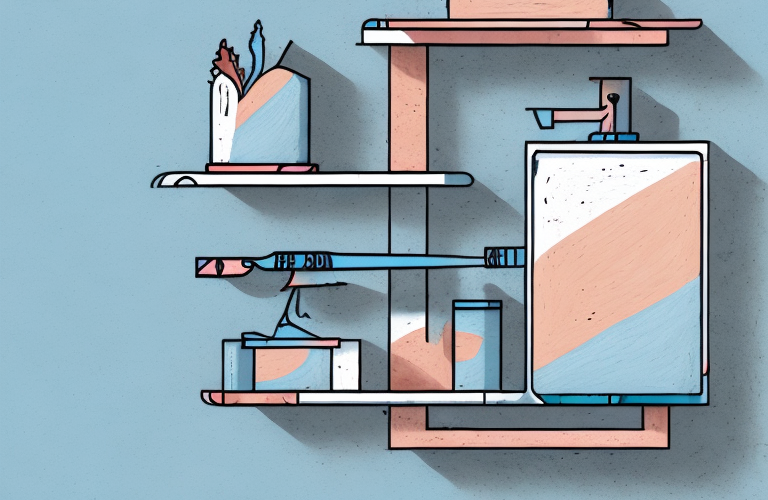
Applying kiln wash to both sides of a shelf is not difficult, but it requires some care to achieve the best results. First, make sure the shelf is clean, dry, and free of any debris. If your shelf has been fired with glazes before, make sure all glaze has been removed with ceramic cleaner or a scouring pad. Then, mix the kiln wash according to the instructions (usually with water) until you have a smooth paste.
Spread the paste evenly all over the shelf using a wide brush. Apply an even, thin layer – the goal is to get an even coating over the entire shelf. Once the paste has dried, fire the shelf in an empty kiln and then cool it back to room temperature before you use it again. Repeat this process every couple of firings or as needed.
How Often Should You Put Kiln Wash on the Shelf?
It’s a good idea to put kiln wash on the shelf every couple of firings or when you are switching glazes, especially if you are using glazes that tend to run and drip. If you plan on using the same type of glaze for an extended period of time, you may only need to reapply the kiln wash once or twice a year.
Tips for Applying Kiln Wash to Both Sides of the Shelf
When applying kiln wash to a shelf, it’s important to follow these tips:
- Make sure the shelf is clean and free of debris before applying kiln wash.
- Mix the paste according to the instructions for best results.
- Apply an even coating of paste all over the shelf using a wide brush.
- Allow the kiln wash to dry completely before firing in the kiln.
- Fire the shelf in an empty kiln before using it again.
- Reapply the kiln wash every couple of firings or as needed.
Common Mistakes When Applying Kiln Wash to Both Sides of the Shelf
There are several common mistakes that can be made when applying kiln wash: applying too thick of a layer, not waiting for it to dry completely before firing in the kiln, and not reapplying often enough. All of these mistakes can result in glaze runs, stains, and sticking. It’s important to take your time when applying kiln wash so that you can get the best possible results.
Conclusion
Kiln wash is an essential part of firing in an electric or gas kiln. It provides protection from glaze drips and runs, reduces staining, and can help reduce sticking. Applying kiln wash should always be done on both sides of the shelf and should be done according to manufacturer’s instructions for best results. Applying kiln wash may seem like a tedious task but it’s well worth it for the added protection.