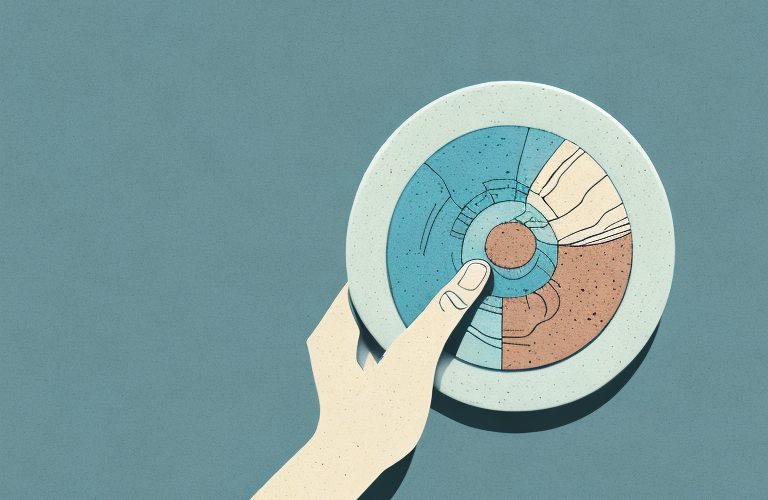
Sgraffito is a decorative art technique that has been in use for hundreds of years. The term comes from the Italian “sgraffire”, which means to scratch. Sgraffito involves scratching away a layer of paint or another medium to reveal an underlying color or texture. It is a fun and creative way to add decoration and interest to any art piece.
Understanding Sgraffito
At its simplest, sgraffito involves layering two colors of paint or other mediums on top of one another, then scratching away the top layer to reveal the color or texture underneath. This can be done with any number of colors, textures, and even mediums such as ceramic or glass. Sgraffito is often used for decorative purposes, although it can also be used to give art pieces a textured appearance.
The technique of sgraffito has been used for centuries, with examples of it being found in ancient Roman and Greek art. It is also a popular technique in modern art, with many contemporary artists using it to create unique and interesting pieces. Sgraffito can be used to create a variety of effects, from subtle shading to bold, graphic designs.
History of Sgraffito
Sgraffito has been used in art for centuries. The technique is thought to have originated in the Mediterranean region during the Middle Ages. It was used to decorate walls and other surfaces with intricate patterns, designs, and illustrations. Over time, sgraffito began to be used in other forms of art such as furniture, pottery, sculpture, and paintings.
In the Renaissance period, sgraffito was used to create detailed and ornate designs on the walls of churches and other public buildings. This technique was also used to decorate the façades of homes and other structures. During the Baroque period, sgraffito was used to create large-scale murals and frescoes. Today, sgraffito is still used in art, but it is also used in architecture and interior design to create unique and eye-catching designs.
Materials and Techniques Used in Sgraffito
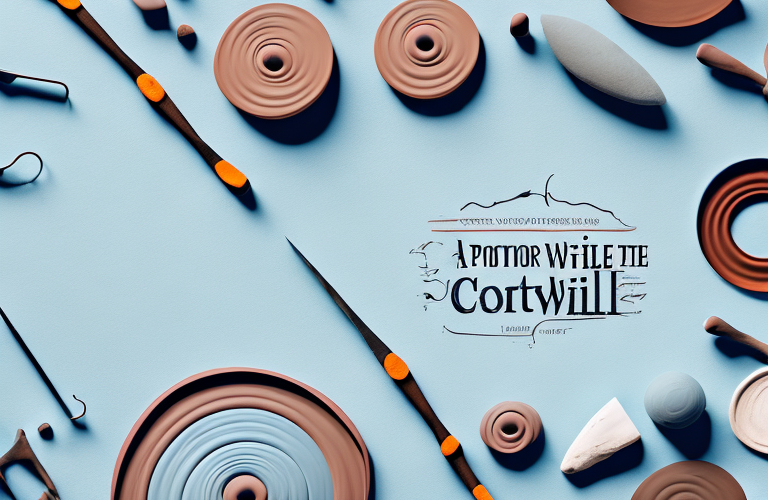
The materials used in sgraffito vary depending on the type of artwork being created. Paint is often used, but other materials can be used as well. Talc or chalk can be used with paint to create a more textured finish. Glass and ceramic can also be used in sgraffito to give art pieces a distinct look and feel. The tools used to make sgraffito may also vary, but common tools include a razor blade, paintbrush, chisel, or other sharp object.
The technique of sgraffito involves scratching away layers of paint or other material to reveal a different color or texture underneath. This can be done with a variety of tools, such as a razor blade, chisel, or even a toothpick. The artist must be careful to not scratch too deeply, as this can damage the underlying material. The artist must also be aware of the colors and textures they are working with, as this will affect the overall look of the finished piece.
Examples of Sgraffito
Sgraffito can be used to create simple patterns or intricate designs. Some of the most common examples of sgraffito include pottery with geometric patterns, carved wooden furniture with scrolling lines, and paintings with stylized figures. Sgraffito can also be used to create a textured effect on walls or other surfaces.
Benefits of Using Sgraffito
There are many benefits to using sgraffito in art. One of the biggest benefits is that it gives an artist an added layer of control over their piece. With sgraffito, they can create intricate designs and patterns that wouldn’t be possible with traditional methods. It’s also a very versatile technique that can be used on many different types of surfaces. Lastly, sgraffito is a great way to add texture and dimension to any piece of art.
How to Create a Sgraffito Piece
Creating a sgraffito piece is relatively simple once you know the basics. Start by deciding which type of medium you’d like to work with (e.g. paint, chalk, glass). Then prepare your surface either by priming it (if you are using a surface like wood) or by adding a base layer of color (if you are using a medium like paint). Once you have your material and surface prepared, use a razor blade, paintbrush, chisel, or other sharp object to scratch away your top layer and reveal the design or texture underneath.
Tips for Working with Sgraffito
When working with sgraffito, make sure that you wear protective clothing such as gloves and protective eyewear to prevent injury. Also, since sgraffito involves scratching the top layer of paint or medium away, it’s important to be gentle and precise while working. Take your time and consider what design you would like to reveal before you start scratching away.
Troubleshooting Common Problems with Sgraffito
If you find that your designs aren’t coming out as you expect them to, don’t worry – there are ways to troubleshoot common problems associated with sgraffito. Make sure that you are using the correct tools for the medium you are working with. If you are having difficulty creating the desired texture or design, try drawing out your design beforehand or using a template to ensure that you are scratching away in the correct areas.
The Future of Sgraffito
Sgraffito is an art technique that has been around for centuries, but it is still popular today and continues to evolve. As technology improves, new materials and tools are becoming available to take sgraffito art to a whole new level. Artists continue to experiment with sgraffito, incorporating it into new and exciting artworks.