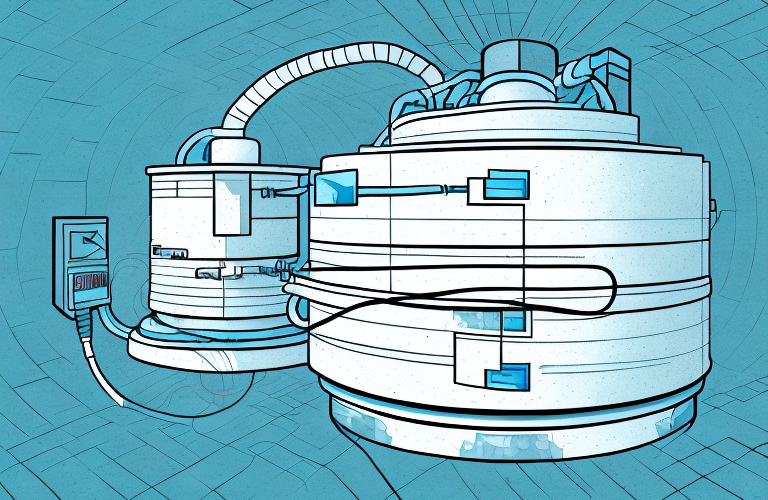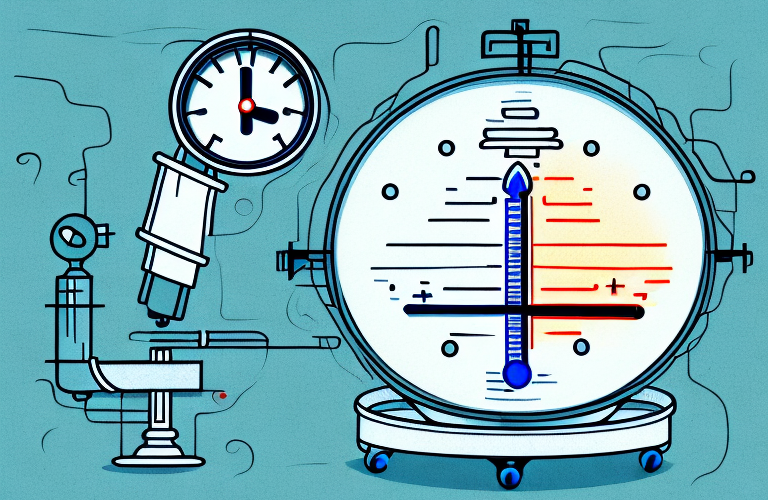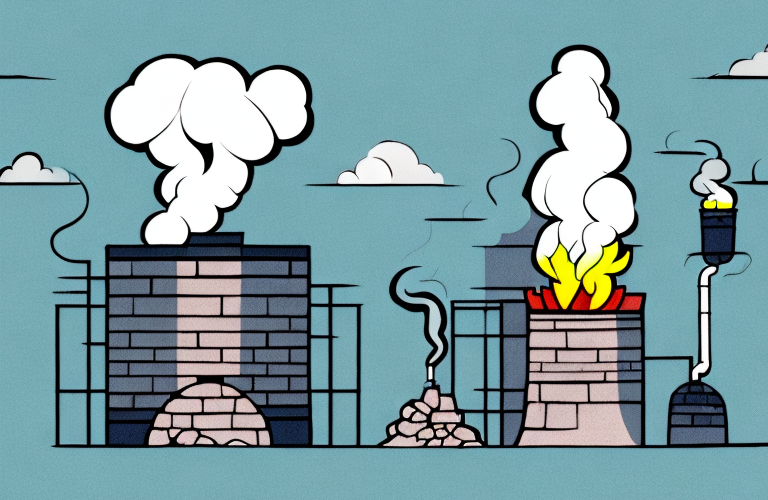
Kiln fumes are composed of particles and chemicals released into the air as a by-product of firing kilns. Fumes are created when glazes, clay, and other materials are burned and they can contain harmful substances, such as arsenic, carbon monoxide, sulfur dioxide, and hydrochloric acid. Kiln fumes can be very dangerous to breathe and they carry health risks for those exposed to them.
What are the health risks of kiln fumes?
Breathing in kiln fumes can cause a range of health problems, from minor to severe. Short-term exposure to high levels of these fumes can burn the respiratory tract and cause irritation to the eyes and skin. Chronic exposure to lower levels can cause long-term health effects, such as respiratory illnesses and an increase in the risk for certain types of cancer. An increased risk of cardiovascular disease is also associated with long-term exposure to kiln fumes.
In addition to the physical health risks, exposure to kiln fumes can also have psychological effects. Studies have shown that people who are exposed to high levels of kiln fumes for long periods of time can experience anxiety, depression, and other mental health issues. It is important to take steps to reduce exposure to kiln fumes in order to protect both physical and mental health.
How to reduce exposure to kiln fumes
The first step to reducing your exposure to kiln fumes is to use proper ventilation in your workspace. Make sure you are keeping an air exchange in your kiln room by regularly opening windows while the kiln is operating and keeping any exhausts fans running. You should also install a carbon monoxide detector to alert you to a build-up of the gas, so you can take action quickly.
It’s also important to use the right safety equipment when you are working with kiln fumes. This includes a mask or respirator suitable for the type of material you are working with, protective clothing, and gloves. You should also be sure to keep any body parts well away from the fumes as much as possible.
In addition to the safety equipment, it is important to take regular breaks when working with kiln fumes. This will help to reduce your exposure to the fumes and give your body a chance to recover. You should also make sure to keep your workspace clean and free of dust and debris, as this can increase the risk of inhaling the fumes.
Health effects of long-term exposure to kiln fumes
Long-term exposure to kiln fumes can have serious health implications, and the longer you are exposed, the greater the risk. Possible long-term effects include a weakened immune system and more serious issues such as lung cancer, heart disease, and asthma. So it’s important to limit your exposure as much as possible.
What types of materials produce toxic kiln fumes?
The types of materials in your kiln can affect the toxicity of the fumes released. Materials such as paints, glazes, and metal oxides used in the firing process are known to produce hazardous emissions, as are materials containing lead or other heavy metals. Materials with chlorine or phosphorus can be particularly hazardous when burned, so you must be aware of any materials you are working with.
Strategies for properly ventilating a kiln room
Adequate ventilation is essential for reducing your exposure to kiln fumes. Some of the best strategies for improving air quality in a kiln room include: keeping the windows open while the kiln is in use, ensuring that the room is regularly aired out, and having an exhaust system in place. You should also regularly check and maintain any fans or exhausts to make sure they are running to their full capacity.
How to monitor the air quality in a kiln room
It is important that you regularly monitor the air quality in your kiln room. This can be done by testing the outdoor and indoor air quality levels on a regular basis, by checking for any unusual smells, or by installing an air quality monitor. An air quality monitor will help you track levels of volatile organic compounds (VOCs), carbon monoxide, and other toxic particles, so that you can identify when levels become too high and take action.
The environmental impact of kiln emissions
Kiln emissions not only increase air pollution levels but also have an impact on the environment and local wildlife. Some of the pollutants can land on and absorb into nearby soil or water sources, disrupting natural ecosystems. These pollutants can also have an adverse effect on plant life, causing damage to vegetation and stunting growth.
The legal regulations related to kiln emissions
There are legal regulations surrounding how kilns should be vented and how to limit toxic emission levels. It is important that you are aware of any regulations that apply to your municipality or state before you use a kiln. To ensure that you comply with these regulations, it is best to refer to any guidelines set by an appropriate governing body.
Kiln fumes pose a real danger when breathed in, but with some safety measures in place you can minimize your risk of exposure. By taking all safety precautions seriously, properly ventilating your workspace, monitoring air quality levels, and adhering to legal regulations, you can reduce your chances of suffering from the health effects of toxic kiln fumes.