
The difference between glaze and underglaze is one of both usage and application. Glazes are a type of transparent or semi-transparent liquid coating that is used for decorative purposes and to add color to ceramics, pottery, and other objects. Underglazes, on the other hand, are opaque liquids or powders that are used to create decorative designs prior to the application of a glaze. In other words, underglazes are applied before a glaze and are usually used as a base to place other decorations on top of before they are fired in a kiln.
How does glaze differ from underglaze?
Glazes are typically applied as a liquid, but can be found in a variety of forms such as a powder, slip, or other type of material. The composition of a glaze, whether it is a powder or liquid, varies widely, depending on the desired result. Glazes are generally not opaque, meaning the bare bisque, or clay body, underneath can still be seen. Glazes are typically transparent or semi-transparent and can range from glossy to matte to satin. Glazes can be used when wanting to add color or accents to an item, but can also be used to protect against chipping or staining.
Underglazes, on the other hand, are typically applied as a liquid but can also be found in powder form. Where glazes are made primarily of silica and flux, a binder and coloring material separate underglazes from glazes. Underglaze is formulated in an opaque form and is often used for decorative effects. The opaque nature of an underglaze makes it capable of being painted directly onto clay surface, and then wiped off, making it a popular choice for intricate details and painting.
What is an underglaze?
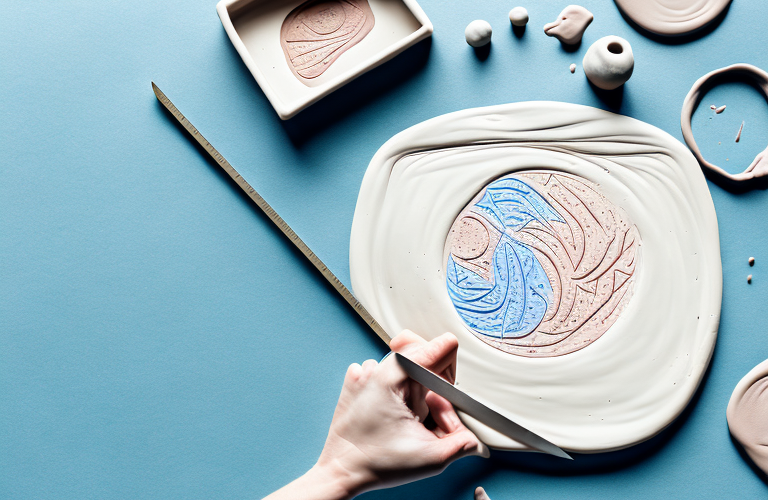
An underglaze is a type of coating used before firing to create decorative details and unique finishes on ceramics or pottery projects. They are typically made from an opaque suspension of colorants (i.e., iron oxide for browns, cobalt for blues, etc.) in a binder such as water, oil, or wax. They can be applied with brushes, airbrushes, sponges, carve tools, and more depending on the desired effect.
Underglazes are different from glazes in that they are best used as a base coat prior to glazing. This allows you to craft intricate details that couldn’t be achieved with standard brush-on glazing. For example, underglazes may be used to draw painting lines or etch designs that sit beneath the glaze giving it highlights and extra character.
What is a glaze?
A glaze is a liquid or melted coating that is applied to ceramic or pottery pieces for decorative and functional purposes. Glazes can range from glossy or matte to satin. The major components of glazes are silica and fluxes which can be combined with other materials to create unique effects. Glazes are fired at high temperatures (usually between cone 06-6) in a kiln to create its glass-like layer. The higher the firing temperature, the more vitreous (glass-like) the surface.
Glazes can be applied over raw or unglazed pieces. For best results when firing glazed pieces, it’s important to use pieces created with clay formulated specifically for firing at high temperatures so that they do not warp or crack during firing. Additionally, it’s always important to ‘test fire’ samples before full production of pieces with a particular glaze.
How to apply a glaze and underglaze
The application of glazes and underglazes largely depends on the desired effect you are trying to achieve. Generally, underglazes should be applied first before any glazing is done. The underglaze can be used to coat the entire surface or just areas where decoration or design is desired. It can also be used for simple techniques such as dabbing or swirling for decorative purposes.
Glazes tend to be applied over the raw bisqueware items as well as over underglaze for coloration. If a single layer of glaze is desired, it should be brushed on relatively thick (1/16-1/8”). If multiple coats of glaze are desired for special effects or layered colors, brush them on thinner (1/32”). It’s important to remember to not overbrush when applying multiple layers.
Common uses for glazes and underglazes
Glazes and underglazes have a variety of uses in ceramics and pottery projects. Glazes are commonly used to create accent colors, as well as common pieces such as dinnerware or vases. Glazes are also great tools for protecting ceramic pieces from staining or chipping. Underglazes are usually employed as decoration on projects like decorative tiles or sculptures.
Advantages and disadvantages of using glazes and underglazes
Glazes and underglazes each have their own set of advantages and disadvantages when it comes to creating a ceramics piece. Glazing can provide an element of protection for pottery work from dirt and staining as well as providing coloration options for pieces such as dinnerware. However, it is important to note that translucent colors or thin applications can lead to discoloring over time.
Underglazing works as a brilliant way to create decorative details on pottery work. Many users love underglazing for its flexibility in application capabilities and malleability when needing details filled in during painting stages. That being said, caution should be taken when using it on thinner pieces due to its opacity
Tips for working with glazes and underglazes
- Test fire your projects with different glazes and underglazes at different temperatures before settling on colors or effects.
- Clean pieces before hand in order to get the most consistent surfaces.
- Check for drips or run-offs after applying and cleaning off any surplus glaze.
- Adjust your firing temperature depending on the depth of color desired.
- Store all glazes at room temperature in an airtight container.
Troubleshooting common issues with glazing and underglazing
- Cracked glaze: firing errors due to heat shock during firing can cause cracking or crazing, which results in lines in a glaze coating.
- Bloated glaze: also known as micro bubbles which can form from excessive amounts of water in the glaze formulation.
- Discoloration: discoloration from too thin applications or from iron-bearing materials can cause stained surfaces.
- Frosting: this form of crystallization can be caused by too much air during firing. Too much air causes too much CO2 gas which results in frosting.
- Clumping: this can result from de-mixing due to high temperatures causing settling and clumping of heavier particles in the glaze.
Choosing the right type of glaze or underglaze for your project
Choosing the right type of glaze or underglaze depends heavily on the design of your project and desired effects. Generally speaking, if you want opaque effects such as painted pictures, go with an underglaze while if you want coloration effects such as glossy finishes or glazy textures stick with a glaze. Additionally, techniques such as layering both underglazse AND glazes for special effects like textured surfaces or thick textures are also possible when using both types in conjunction with each other.
In the end it’s important to remember that both types of applications require precise temperature control during firing so test fire samples before settling on a final design.