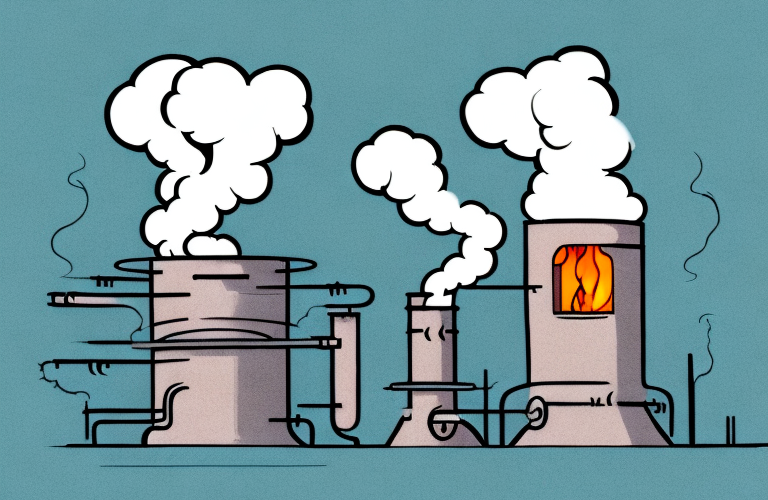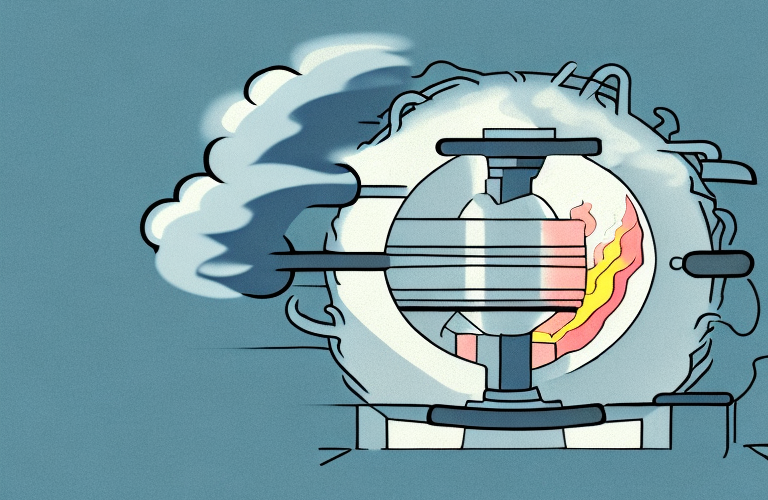

Kilns are powerful tools used to heat, dry, and fuse materials in a variety of industries, from pottery and ceramics to glassmaking. But in many applications, kilns can also produce toxic fumes requiring special attention and safety precautions.
When heated, substances such as metals, glazes, and coatings can emit dangerous gases, including carbon monoxide and nitrogen oxides, or “NOx.” And that has serious implications for kiln users looking to create their next masterpiece or product.
What are the risks associated with kiln fumes?
Kiln gases can cause an array of health problems for people exposed to them, including respiratory and skin irritation, dizziness, and even potential long-term damage from repeated exposure. The toxic gases can also damage, corrode, and even fireproof materials, while also emitting hazardous dust particles into the air.
In addition to the health risks, kiln fumes can also be a fire hazard. The high temperatures of the kiln can cause combustible materials to ignite, and the toxic fumes can spread quickly and cause a large fire. It is important to take safety precautions when using a kiln, such as ensuring proper ventilation and wearing protective gear.
What types of kilns emit fumes?
Kilns using gas or coal typically emit the most fumes. Electric kilns are generally considered more energy-efficient and generate fewer fumes, but they still need to be used with caution and safety precautions.
When using a gas or coal kiln, it is important to ensure that the area is well-ventilated and that the kiln is regularly maintained to reduce the amount of fumes emitted. Additionally, it is important to wear protective gear such as a face mask and gloves when working with these types of kilns.
Are some kilns safer than others?
Gas-powered kilns produce more fumes than electric kilns, so they carry the most risk. Burning fuel emits particles and gases that can be corrosive, odorous, flammable, and explosive. However, electric kilns can still be dangerous, as they generate significant heat and need proper ventilation to ensure the safe dispersal of combustible fumes.
It is important to take safety precautions when using any type of kiln. Always wear protective gear, such as gloves and a face mask, when working with a kiln. Additionally, make sure to read the manufacturer’s instructions and follow all safety guidelines. Lastly, never leave a kiln unattended while it is in use.
What safety precautions should be taken when using a kiln?
Because of the risk of fumes, it’s important to take steps to mitigate their effects. Wear a respirator when working with your kiln to protect yourself from toxic gases. Make sure that your workspace is well-ventilated to prevent the buildup of harmful fumes. Additionally, employ a separate fan to ensure proper ventilation. You should also regularly check your kiln for any signs of damage or wear that could lead to an accident or chemical exposure.
How can kiln users reduce their exposure to fumes?
Use appropriate safety gear and make sure your workspace is well-ventilated. Be sure to also follow proper procedure when turning your kiln on or off and never leave it running unattended. Turn it off if it doesn’t seem to be working properly and inspect it for any signs of damage before resuming operation. Lastly, invest in a quality carbon monoxide detector to keep your kiln safe and your exposure to fumes minimal.
How can the impact of kiln fumes be minimized?
In addition to proper safety procedures and ventilation, kiln users can reduce their exposure to toxins by avoiding unvented fuel sources such as coal and natural gas. Taking frequent breaks while using the kiln and cleaning regularly will also help minimize exposure. Finally, proper disposal of spilt solvents and other chemicals used in the firing process will help reduce their impact on the environment.
What are the long-term health effects of exposure to kiln fumes?
Long-term exposure to kiln fumes can cause serious health problems such as respiratory disorders, skin irritation, cancer, eye irritation, and memory loss. Chronic exposure can lead to neurological damage and organ failure. Repeated or extended exposure can also cause severe allergic reactions in some individuals.
Can kiln users protect themselves from the effects of fumes?
The best way for kiln users to protect themselves from toxic fumes is through safe operation practices. Wear a respirator when using the kiln and make sure your workspace is well-ventilated. Do not leave your kiln running unattended. Finally, inspect your kiln on a regular basis for any signs of damage.
Are there alternatives to using a kiln that do not produce fumes?
In some cases, there are alternatives to using a kiln that do not produce as many fumes or put users at risk. For example, microwave kilns are available that use microwave energy instead of traditional fuels to fuse materials. Additionally, some materials can be heated and fused with an infrared burner that does not generate hazardous fumes.
Using a kiln comes with its own unique set of risks and potential dangers. As such, it’s important for those who use these powerful tools to take all necessary safety precautions to protect themselves from potential harm. With proper maintenance and use, however, kilns can be used safely and effectively to create unique masterpieces.