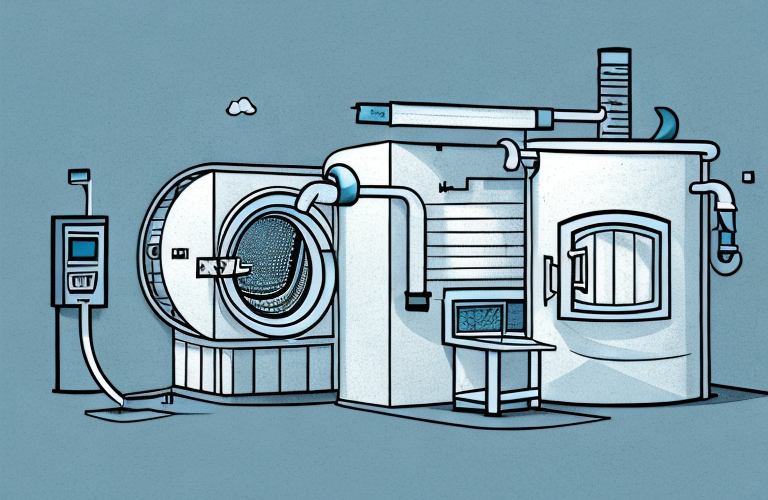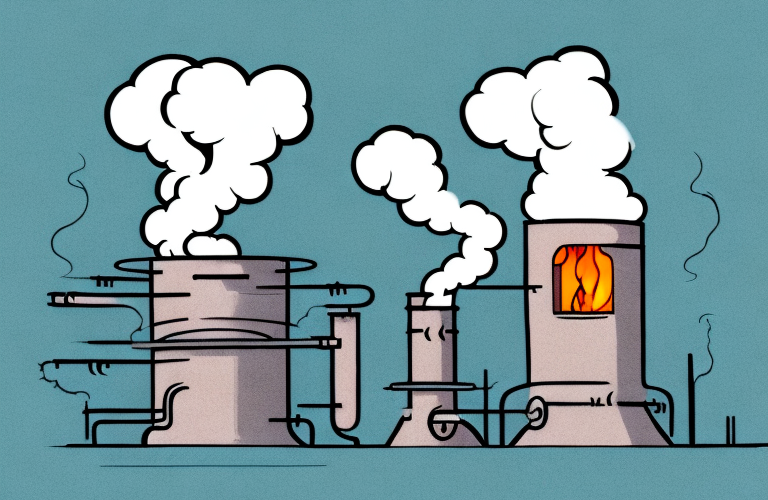
Kilns can emit strong odors, although this largely depends on the type of materials being fired and the ventilation in the area. Despite the odors, most kilns are considered safe to use, although some precautions should be taken to ensure that no dangerous fumes are released. In this article, we’ll discuss the types of odors produced by kilns, what types of materials are fired in a kiln, and how to minimize the smell associated with using one.
What kinds of odors are associated with kilns?
The smell of a kiln is often a good indication of what type of material is being fired inside it. A kiln that is firing clay will give off an earthy smell, similar to that of soil. This is because of the combustible element in clay, which is carbon and produces an odor when heated. A kiln that is firing metal will have a more pungent smell, as will one that is firing glass. The odor for metal or glass is due to the type of flux used to melt the metal or glass, which can be either a mineral-based flux or an organic-based flux.
The smell of a kiln can also vary depending on the type of fuel used to fire it. For example, a kiln that is fired with wood will have a smoky smell, while a kiln that is fired with gas will have a more chemical-like smell. Additionally, the temperature of the kiln can also affect the smell, as higher temperatures will produce more intense odors.
Are kiln odors dangerous?
Kiln odors are generally not considered dangerous, but there is always a risk when using any type of fire. To ensure safety, be sure to provide adequate ventilation in any space where a kiln is being used. If the area is not properly ventilated, fumes and smoke can build up, causing respiratory irritation and in some cases, even poisoning.
What types of materials are fired in a kiln?
Kilns can be used to fire a wide range of materials including clay, metal, glass, wood, and enamels. Clay is the most common material fired in a kiln due to its easy moldability and ability to set and harden when fired. Metal and glass can also be fired in a kiln for decorative purposes or for producing unique pieces. Kilns are also used to make wooden bowls, spoons, and other kitchenware.
How can I minimize the smell of my kiln?
The best way to minimize the smell of a kiln is to ensure there is good ventilation in the area where it is being used. Opening a window or using a fan to ensure proper air circulation is essential. Additionally, using proper safety equipment such as face masks and gloves can help limit exposure to any odors produced. Lastly, burning incense or sprays to offset any unpleasant odors can help make the room more pleasant.
What precautions should I take to prevent odors from escaping my kiln?
There are several precautions that should be taken in order to keep odors from escaping a kiln. To start, provide adequate ventilation in the room where the kiln is housed. Additionally, it is important to make sure that any flammable materials are kept far away from any open flames. Finally, face masks should be used by anyone working within close proximity to a kiln.
Are there any health risks associated with using a kiln?
While there are no specific health risks associated with using a kiln, it is important to use caution when firing materials inside of one. In situations where materials are being fired that produce smoke or fumes, proper ventilation must be provided and safety equipment such as face masks must be worn. Additionally, any flammable materials must be kept far away from open flames.
How can I ensure proper ventilation when using a kiln?
Proper ventilation is vital when using a kiln. To ensure proper air flow, start by opening windows and doors and using fans to circulate the air. Additionally, any flammable materials must be kept away from sources of open flames, such as wiring or gas lines. Finally, safety equipment such as face masks should be used by anyone working near a kiln.
Does the type of material being fired in the kiln affect the odor it emits?
Yes, the type of material being fired in a kiln can determine the type and intensity of the smell that is emitted. For example, clay produces an earthy aroma while glass and metal give off a more pungent smell due to the type of flux used in the process. Additionally, the amount of smoke produced can vary depending on the temperature of the kiln being used.
Are there any ways to reduce odors from a kiln without affecting its performance?
Yes, there are a few ways to reduce odors from a kiln without affecting its performance. The first step is ensuring good ventilation in the room where the kiln is being used. Additionally, burning incense or sprays in the room can help reduce odors from a kiln. Finally, safety equipment such as face masks must be used by anyone working near a kiln.
Kilns can produce some very strong odors that can vary depending on what type of material is being fired inside it. However, if proper precautions are taken and good ventilation is provided in any space where a kiln is being used, most odors from firing should not be deemed dangerous.