Clay is a versatile medium for making pottery, sculptures, and other decorative items. For many of these projects, the clay will need to be manually fired in a kiln in order for it to harden, set, and take on its intended shape and design. But how long can you safely leave clay before it has to be fired?
What happens to clay if left too long?
The most important thing to understand about clay is that it does not last forever if left unbacked. Depending on the type and quality of clay, it will slowly dry out over time, eventually becoming too hard and brittle to continue working with. In addition, mold and microorganisms can grow on the surface of the clay if it is not properly sealed or glazed.
If left too long, the clay can also become stained or discolored, and the surface can become pitted or cracked. This can be prevented by storing the clay in a cool, dry place, and by using a sealant or glaze to protect the surface. Additionally, it is important to keep the clay moist by misting it with water or wrapping it in a damp cloth.
Types of clay that can be left unfired
Not all types of clay will need to be fired in order to be used. Low-fire earthenware clays such as terracotta can be fired at much lower temperatures than other types of clay, and as a result they do not require as much attention when it comes to storage. Non-fired clay may also be used for certain projects such as hand building where no firing is necessary.
Benefits of firing clay
Most pottery projects, however, require the firing process in order to achieve their intended shape and design. The firing process is essential for the chemical bonding of clay particles and the vitrification of the glaze, which increases durability and ensures that the surface of your pottery pieces won’t degrade or deteriorate over time. In addition, firing allows the surface of the piece to become more evenly colored and smoother in texture.
Best practices for storing unfired clay
If you decide to put off firing for any reason, it is important to store your unfired pieces properly. Keep your clay in an air-tight container with a damp cloth inside. This will prevent it from getting too dry and help keep it from drying out too quickly. If you are not able to seal the container, you can place a damp towel over the top of it instead. Be sure to store clay in a cool, dark area where the temperature does not fluctuate too much. Finally, if you are dealing with a large amount of clay, it is best to store it in several smaller containers rather than one large one in order to ensure that individual pieces don’t dry out.
Important considerations before firing clay
Before firing your clay, it is important to consider the intended purpose of your project and the type of clay being used. Different types of clay will require baking at different temperatures in order to achieve the desired result. Low-fire clays such as terracotta will be served better by a low-temperature firing, while high-fire clays require higher temperatures and longer firing times in order to be burnished and vitrified properly.
Ways to avoid firing clay
If you do not need to fire your clay for any specific reason, there are several ways to avoid the process altogether. For example, many types of clay can be air-dried instead of fired. Air-drying allows you to preserve natural colors and textures, which may be desirable for creating more rustic pieces. Other methods such as slip casting, creating paper mache sculptures, or leaving unfired pinch pots can also be worth considering as alternatives to firing.
What happens during the firing process?
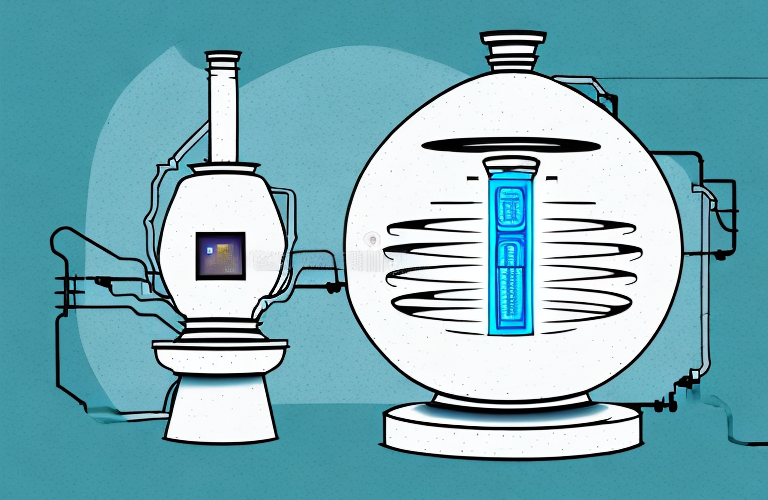
The firing process involves exposing the clay to very high temperatures in order to harden and set the desired shape and design. Generally this involves heating up a kiln or oven to a specific temperature and then leaving the pieces inside for a set period of time. During this time, the chemical reactions that occur between the clay particles and glaze create a stronger bond that enables your piece to withstand stress and wear during use.
Different techniques for firing clay
Depending on your project, there are various techniques for firing clay that may be suitable for achieving the desired result. Electric kilns are typically used for large-scale production of pottery pieces since they offer greater consistency than other types of kilns. Alternatively, raku firing is more often used for one-off pieces at lower temperatures since this method imparts greater color variations in the surface of the piece.
Tips for making successful fired pieces
Making successful fired pieces does not have to be complicated. It is important to remember that each type of clay requires a different firing temperature and timing in order to achieve the desired result. In addition, when working with glazes, you should be sure that all glaze particles are completely dry before placing them in the kiln in order to prevent cracking or other problems with your piece. Finally, make sure that all of your materials are properly sited before firing in order to ensure the most consistent and successful outcomes.