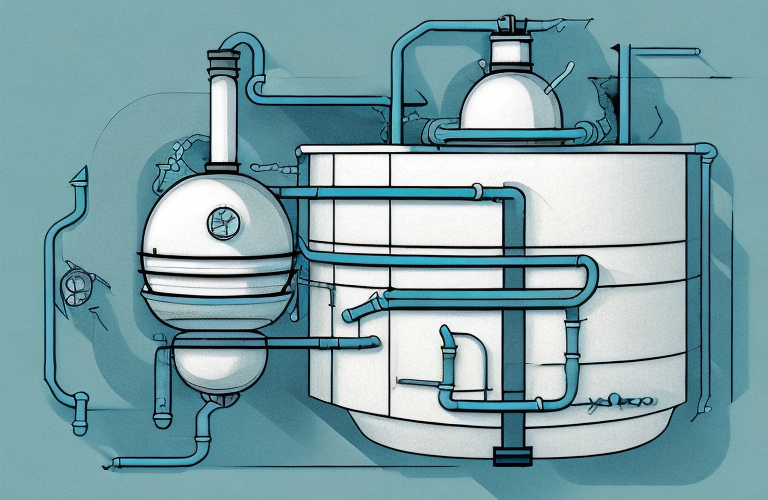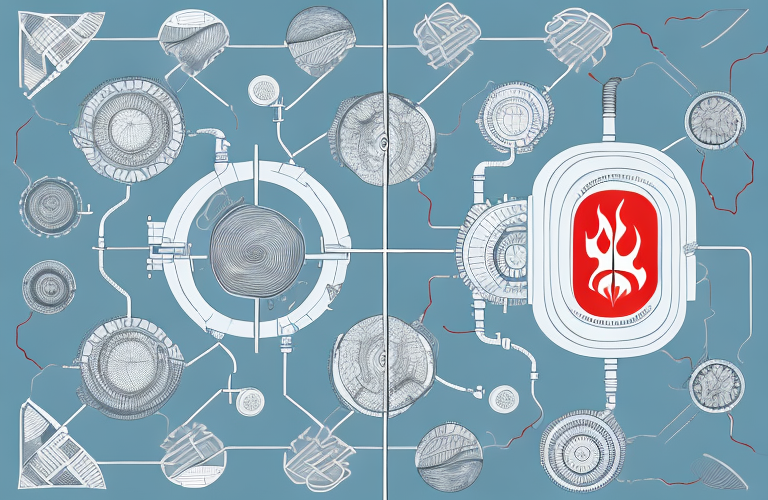
When it comes to creating glazed, fired ceramic pieces, nothing beats a kiln. And while professional potters and ceramic artists have long enjoyed the benefits of gas and electric kilns alike, the real issue is which is better—gas or electric? While both types of kilns offer their own advantages and disadvantages, it’s important to understand and consider all of the factors before purchasing or upgrading to a certain type.
Pros and Cons of Gas and Electric Kilns
Gas kilns have long been the choice of both hobbyists and professional ceramicists alike. For one thing, they offer superior temperature control—you can easily reach temperatures of 2400°F and beyond. Additionally, the reduction and oxidation atmospheres they offer produce unique color effects in glazes and finished pieces. Gas kilns are also far more energy efficient, and require less time to heat up than electric models—sometimes as little as 20 minutes.
On the other hand, electric models are much more user-friendly. One advantage is that they don’t require any special installation. They also offer greater control over temperature, allowing for an even firing over a broad range of temperatures. Furthermore, electric kilns are generally much less expensive than their gas counterparts.
Factors to Consider When Choosing Between Gas and Electric Kilns
When selecting between gas or electric kilns, it’s important to consider all the factors. Here are some important points to consider before making a purchase:
- Cost: Electric kilns are generally more affordable than gas models. But when factoring in the price of fuel, installation, and potentially more frequent maintenance, the cost difference can be significantly reduced.
- Time: Gas kilns generally take much less time to heat up, often by as much as half the time.
- Temperature: Both models offer superior temperature control, but advanced electric models are capable of reaching extreme temperatures that gas models simply cannot.
- Atmosphere: Gas kilns offer much greater control over atmosphere, allowing for reduction and oxidation in ways not available with electric models.
Cost Comparisons of Gas and Electric Kilns
From a cost standpoint, electric models come out ahead. Besides being generally less expensive, they also have significantly lower installation costs. Furthermore, electric kilns require much less maintenance than gas models, cutting costs even further. On the flip side, electric models may require more frequent repairs due to their reliance on internal components.
Safety Considerations for Using Gas and Electric Kilns
Regardless of which type of kiln you choose, safety should always be a priority. This includes proper ventilation, eye protection, and using the manufacturer’s recommended settings for each individual model. In the case of gas models, pros also recommend taking extra safety precautions like having a carbon monoxide detector nearby and following the recommended practices for handling fuel.
Maintenance Requirements for Gas and Electric Kilns
Gas models require more frequent maintenance than their electric counterparts. This includes regularly refilling fuel tanks and keeping an eye on the fuel lines to make sure they aren’t leaking. In addition, they should be professionally cleaned every year or two to make sure they remain in optimal condition. Electric models require much less upkeep than gas kilns—most require professional cleaning only once every five years.
Advantages of Using a Gas or Electric Kiln
- Gas kilns: Easier temperature control; Superior reduction and oxidation atmospheres; No need for electrical wiring during installation; Energy efficient; Quick heat-up times
- Electric kilns: User-friendly controls; More control over temperature ranges; Set and forget firing; No need for special installation; Lower overall cost.
Disadvantages of Using a Gas or Electric Kiln
- Gas kilns: Installation requires additional fuel lines and/or piping; High cost of fuel required; Require frequent maintenance; Limited temperature range.
- Electric kilns: Installation requires wiring through breaker boxes; Require more frequent repairs due to internal components; Reliance on electrical energy; Slower heat-up times.
Best Practices for Operating Gas and Electric Kilns
No matter which type of kiln is being used, there are some best practices to keep in mind when operating it. One of the most important things to remember is to always wear safety goggles while firing—not only to protect your eyes from flying debris and sparks, but also to protect against ultraviolet radiation from the intense heat of the furnace.
In addition, it’s important to have good ventilation and exhaust systems in place to properly ventilate any smoke or fumes that are generated during firing. These gases need to be vented safely away from people and any combustible material.
Finally, when firing art pieces, it’s important to keep in mind that all types of glazes react differently when fired. Therefore, always follow the manufacturer’s instructions for each type of glaze to get the best results.
Tips for Getting the Most Out of Your Gas or Electric Kiln
- Always wear safety goggles while operating the kiln.
- Have proper ventilation in place to safely vent smoke and fumes.
- Know the manufacturer’s recommendations for firing different types of glazes.
- Always follow all safety protocols provided by the manufacturer.
- Perform regular maintenance as per the manufacturer’s instructions.
In conclusion, deciding between gas or electric kilns will boil down to personal preference. Both offer their own advantages and disadvantages and it’s up to the user to weigh all of the factors before making the best decision for them.