

Ever wondered if it’s possible to run a kiln overnight? The answer is yes! Overnight firing can be a great timesaver, allowing you to make the most out of your kiln’s capacity. However, before you leave the kiln running all night, there are some things that you need to consider.
What are the risks of running a kiln overnight?
Perhaps the first thing to consider when running a kiln overnight is the potential risks. Like any piece of machinery, there’s a chance that it could malfunction, leading to potential damage to your materials. Also, depending on your kiln’s age, leaving it running overnight may cause further damage through wear and tear.
Another, more obvious risk of running a kiln overnight is fire. All electric kilns generate heat, and in extreme cases this could lead to a fire, especially if you are using a kiln made from combustible materials. To prevent this, make sure there is adequate ventilation, that you don’t overload the kiln, and that you keep flammable materials away from the kiln itself.
What are the benefits of running a kiln overnight?
The first benefit of running a kiln overnight is time. As the kiln runs all night, you can be further ahead with your project with less time and effort. This could be particularly useful if you have multiple pieces that need to be fired at the same time, as you can set up one firing schedule as opposed to multiple.
Secondly, overnight firing can help produce better results. The longer firing times can ensure that the pieces move through each stage of the firing process, thus producing a higher quality end result without having to fire for longer periods in the day.
How to prepare for running a kiln overnight?
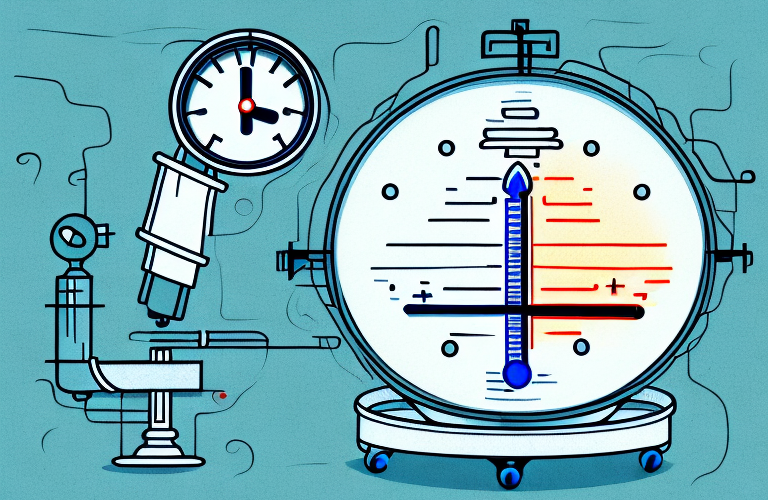
Before you run your kiln overnight you must undertake some preparatory steps. Firstly, check that the pyrometer works correctly – this is very important for knowing how the firing progresses. Additionally, inspect the kiln for any signs of damage or wear-and-tear that could impair its operation.
Then make sure to load the kiln correctly – this will depend on the type of materials you are firing and the firing schedule you desire. When loading it is essential to fill every shelf evenly so that your pieces will fire evenly and not touch each other while they are in the kiln.
What type of materials can be fired in a kiln overnight?
Depending on what type of kiln you have and what ultimately you are trying to achieve with your firing schedule, there are many types of materials that can be fired in a kiln overnight. These might include metal clays, pottery, glass, enamel, castable resins, PMC, metal jewelry and much more.
It is important to ensure that each type of material can withstand multiple firings and that they are loaded properly into the kiln –get to know what temperature ranges will work best for each material before you load them in.
How to monitor progress when running a kiln overnight?
When running a kiln overnight it is important to monitor its progress. This can be done by using an instant-read pyrometer which allows for an accurate reading of the temperatures inside in order to ensure your pieces reach the desired level of oxidation. Monitor the progress at regular intervals throughout the firing. Setting up multiple pyrometers in different points of the kiln will give you a more accurate reading as you can measure temperatures from different points.
What safety precautions should be taken when running a kiln overnight?
When running a kiln overnight safety should be your top priority. To prevent any safety hazards, it is important to have appropriate ventilation and make sure all combustible materials (such as paper or cloth) are kept away from the kiln. Additionally, it is important to keep the area near the kiln free of any obstructions so that it can remain accessible. Finally, check all electrical connections to ensure they are secure and inspect the inside and outside of the kiln for any worn out wiring.
What is the best temperature and firing time for running a kiln overnight?
The firing time and temperature for running a kiln overnight will depend on the type of materials you are trying to fire and what end result you want. Generally speaking though, most firings should last between 6-24 hours and reach temperatures between 400-2500°F (205-1371°C). Make sure to adjust your firing schedule accordingly depending on the type of project depending on how quickly or slowly it needs to be heated for optimum results.
Are there any additional maintenance tasks that should be done when running a kiln overnight?
When running a kiln overnight, it is important to check the electrical connections regularly, especially if they are located inside or outside the chamber. Additionally, make sure to check for any accumulation of dust or debris which could impede performance. If possible, perform a clean out of any pieces that have been left inside the kiln; this will help to ensure even firing.
Are there any special considerations when firing certain types of materials in a kiln overnight?
If you are firing certain types of materials in a kiln overnight then some special considerations must be made regarding cooling times. For example, if you are firing metals such as gold then the cooling should be slow otherwise cracking may occur; however if you are firing glass then cooling needs to be faster or else your pieces may become distorted.
Also depending on the material you may need to adjust the temperature – for example copper may need higher temperatures whereas PMC (precious metal clay) does better with lower temperatures.
In general it is always advisable to speak with an expert or read through some reviews and tutorials before beginning an overnight firing project.
Running a kiln can be an incredibly rewarding experience but it must be done carefully and with consideration. Taking into account all these factors will ensure you achieve great results while minimizing any risk along the way.